IN Brief:
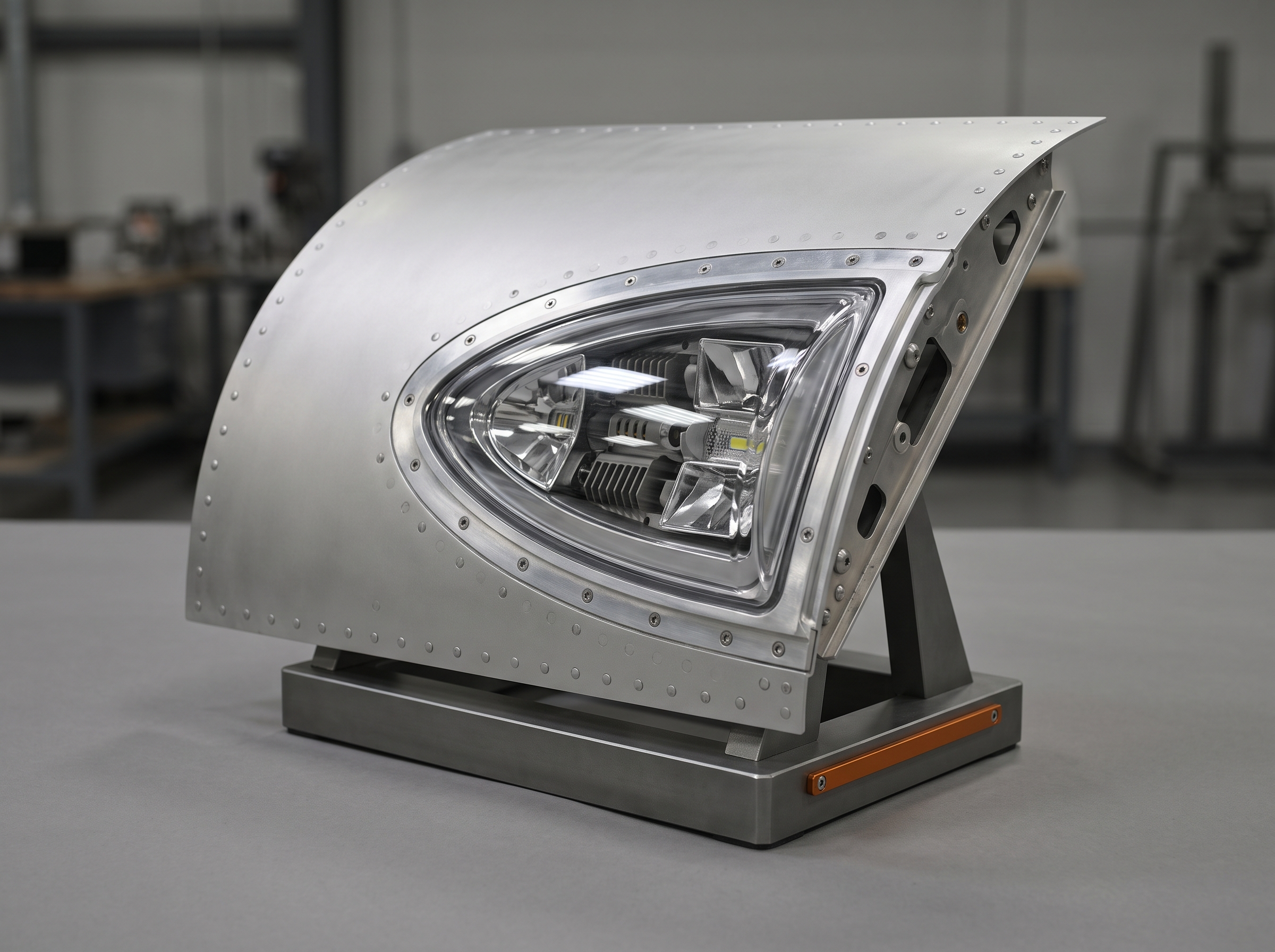
- Airbus Defence and Space, Thales Alenia Space, and RADMOR will develop a geostationary defence telecommunications satellite for Poland.
- The programme covers secure military communications across both space and ground segments.
- The work spans payload design, satellite integration, secure infrastructure, and long-term support.
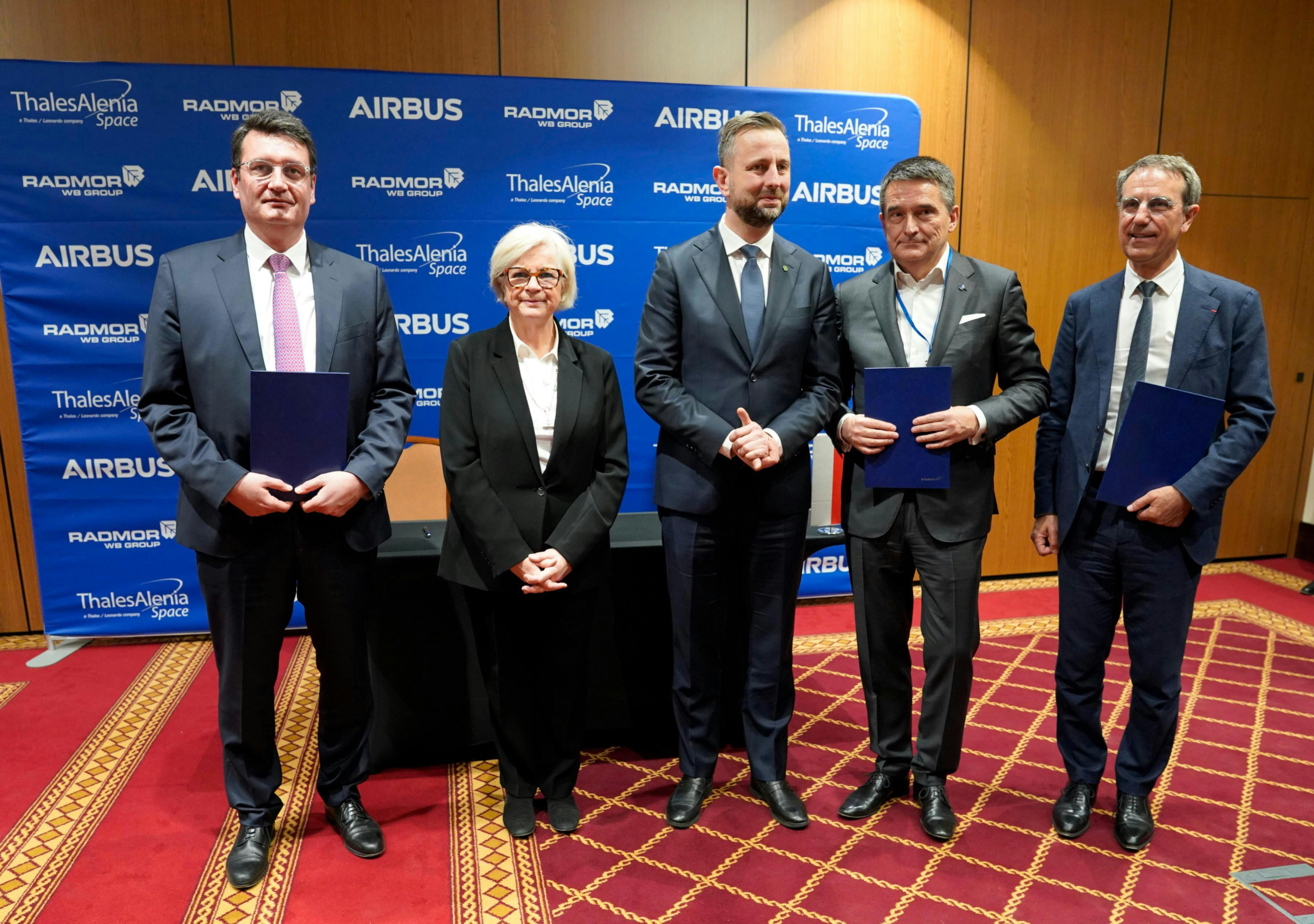
Poland has formed an industrial partnership with Airbus Defence and Space, Thales Alenia Space, and RADMOR to develop a new geostationary defence telecommunications satellite for the Ministry of Defence.
The programme is intended to provide secure military communications with protected architecture across both the space and ground segments. The system is being developed in a period when European defence planning is placing greater weight on sovereign connectivity, resilience, and assured access to protected communications in contested environments.
The industrial team brings together experience in military communications payloads, satellite platform design, mission control, secure ground infrastructure, and cyber security. RADMOR’s role gives the programme a domestic industrial component inside a project that also relies on established European space primes.
Modern defence satcom programmes are no longer defined by the spacecraft alone. Ground stations, terminals, network protection, command security, and resilience against jamming or intrusion all sit inside the same architecture.
Splitting the work across the system
The programme spans payload design, platform engineering, industrialisation, secure ground infrastructure, and cybersecurity. Those areas have to mature together. Payload-to-bus interfaces, spacecraft control, encryption architecture, and ground-network integration all affect the final system.
That leaves interface management as one of the central engineering tasks across the programme.
Building a long-cycle sovereign capability
Geostationary defence satellites carry long production and support timelines. Radiation tolerance, anti-jam measures, secure command chains, qualification activity, and lifecycle assurance all add weight to the industrial effort before launch and well beyond it.
For Poland, the programme builds communications capacity in orbit while expanding national participation in the support, security, and evolution of the system on the ground.