IN Brief:
- The U.S.-Japan Glide Phase Interceptor programme is being structured around a balanced workshare for a next-generation counter-hypersonic missile.
- U.S. responsibilities cover key seeker, avionics, booster, and kill-vehicle elements, while Japan is contributing propulsion and manoeuvre-control components.
- The programme will test how quickly allied production partners can qualify complex missile subsystems for Aegis-compatible deployment.
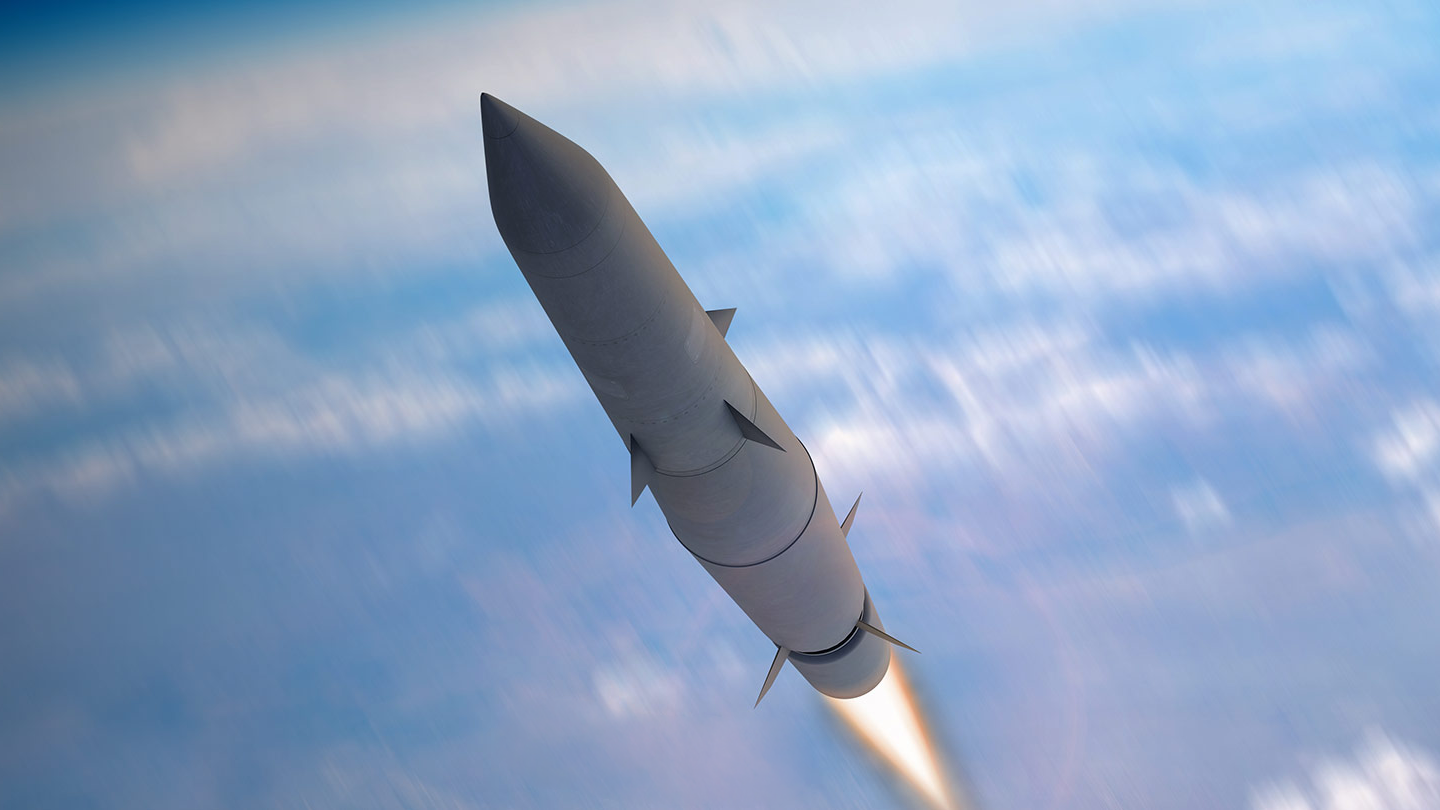
The U.S.-Japan Glide Phase Interceptor programme has moved into a more detailed production phase, with Northrop Grumman setting out how work will be divided across the next-generation missile intended to defeat hypersonic glide vehicles.
The system is being developed to engage hypersonic threats during the glide phase of flight, before the target reaches its terminal approach. That flight profile is difficult to counter because the vehicle is travelling at extreme speed while retaining the ability to manoeuvre away from predictable ballistic paths.
The workshare points to a three-stage interceptor with national responsibilities distributed across propulsion, control, and terminal engagement hardware. U.S. work covers the first-stage booster, third-stage solid rocket motor, and key kill-vehicle elements including the aeroshell, avionics package, and seeker. Japan’s share includes the second-stage solid rocket motor, third-stage attitude control system, kill-vehicle rocket motor, fin actuators, and fins.
Japan’s contribution places its industry inside the programme’s most technically sensitive engineering chain. The assigned subsystems directly affect flight stability, terminal manoeuvrability, and interceptor control during the final stages of engagement.
Production and qualification
The programme now has to turn distributed subsystem work into a qualified missile design. Hypersonic defence hardware demands exacting tolerances in propulsion, thermal protection, guidance, actuation, and structural materials, with each element needing to operate reliably inside the constraints of shipboard launch and naval combat systems.
Mitsubishi Heavy Industries is tied into Japan’s component work, with deliveries expected before the end of the decade. That schedule will require aligned design reviews, qualification testing, digital engineering, and export-control processes across both national supply chains.
Aegis integration
The interceptor is being developed for launch from Aegis-equipped ships and future Japanese Aegis System Equipped Vessels. The missile must fit existing vertical launch infrastructure while delivering enough manoeuvre authority and sensor performance to engage a non-ballistic target in flight.
The production path will draw on advanced propulsion, precision actuation, seeker manufacturing, naval integration, and shipboard fire-control interfaces. The programme now sits as a test of allied production pace in one of missile defence’s most demanding technical categories.