IN Brief:
- The US Air Force plans to acquire five additional Boeing E-7A Wedgetail aircraft.
- The aircraft is based on the Boeing 737 platform and integrates MESA radar.
- The programme depends on airframe conversion, mission-system integration, and coalition sustainment.
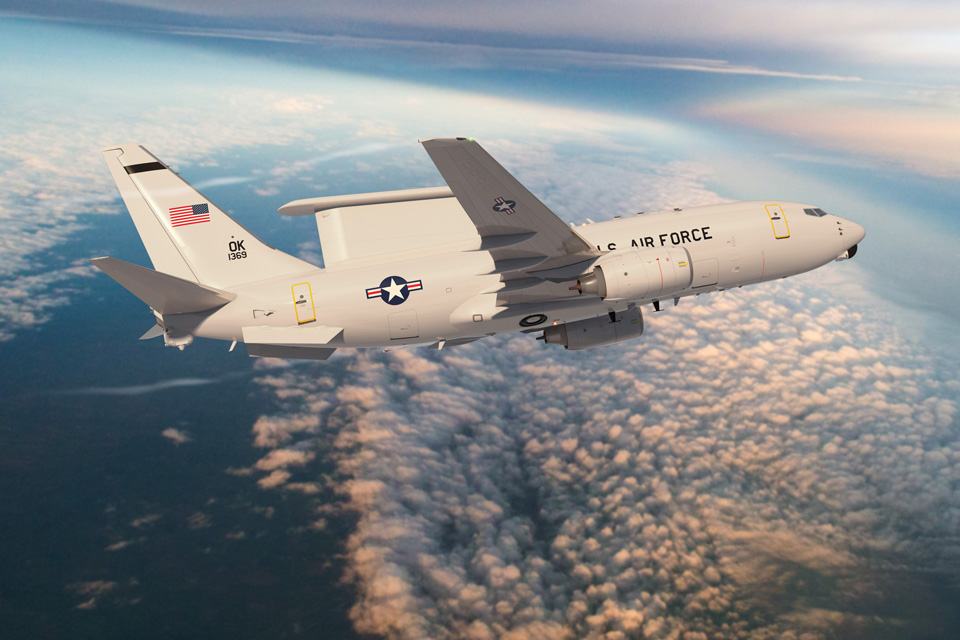
The US Air Force plans to acquire five additional Boeing E-7A Wedgetail aircraft, adding to two prototypes already under contract and restoring momentum to its airborne early warning replacement effort.
The E-7A is intended to address a capability gap created by the ageing E-3 Sentry fleet. It uses a Boeing 737-based airframe and integrates the Northrop Grumman Multi-role Electronically Scanned Array radar, providing airborne surveillance and battle management without the rotating dome used on legacy AWACS aircraft.
The procurement follows uncertainty over the future scale of the E-7A programme after earlier plans for a larger fleet were reduced. A five-aircraft engineering and manufacturing development buy would keep the capability moving while the service assesses how to rebuild airborne command-and-control capacity.
Existing and planned international operators, including Australia, the UK, and South Korea, provide a broader sustainment base. Shared training, spares, mission-system updates, and operational experience can reduce some of the risk around fielding a small but high-demand fleet.
Airframe conversion and mission-system supply
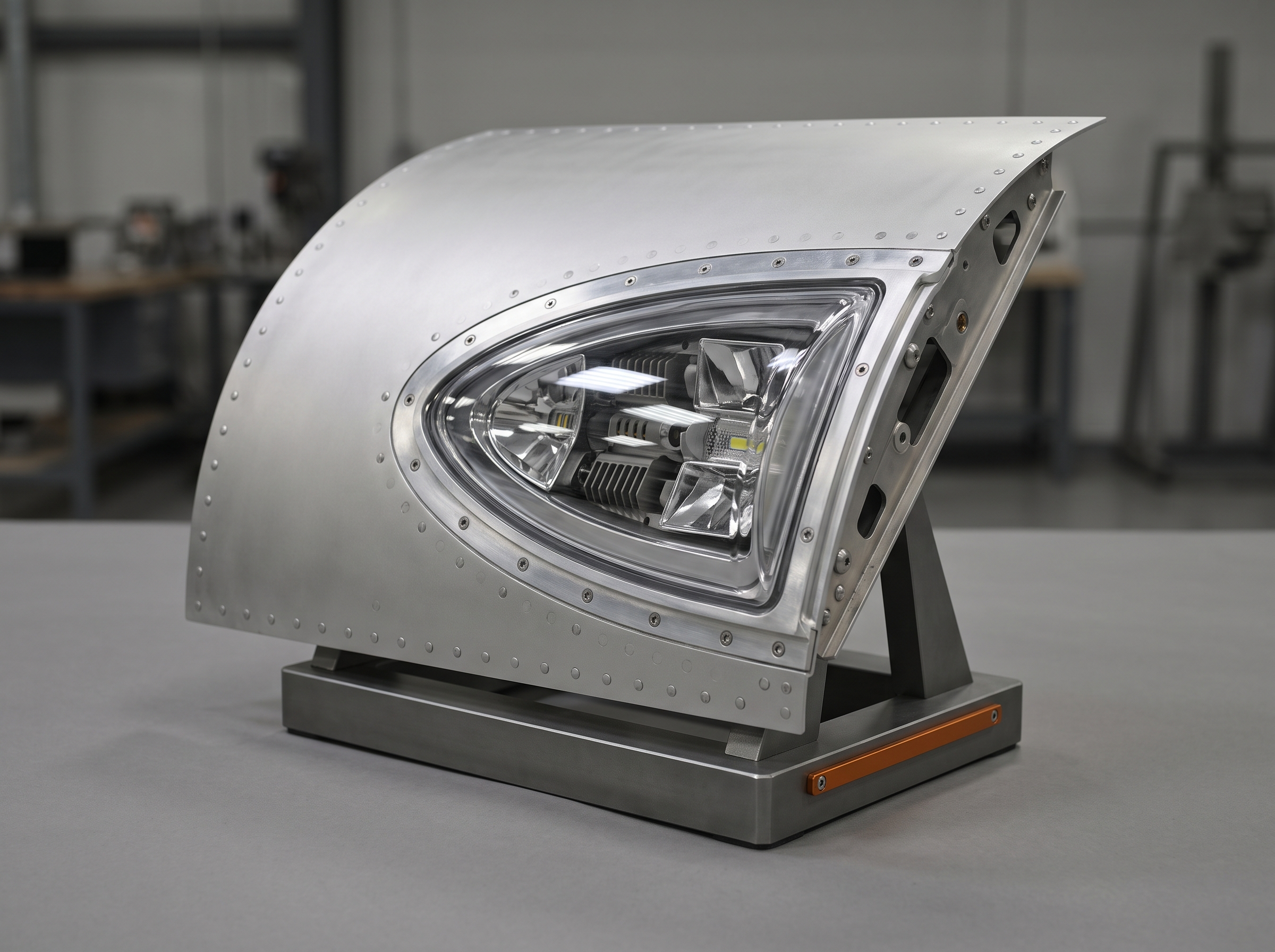
The E-7A is a military conversion programme rather than a straightforward commercial derivative purchase. The aircraft requires structural modification, radar installation, power and cooling changes, mission consoles, secure communications, electronic support systems, and defensive equipment.
That places pressure on Boeing and its suppliers to coordinate airframe work with mission-system delivery. Radar arrays, processing hardware, operator stations, software, communications equipment, and aircraft modifications must arrive in a controlled sequence to avoid bottlenecks.
Mission-system integration will determine much of the programme’s value. Airborne early warning aircraft must ingest, process, and distribute data across air, space, maritime, and ground networks while remaining available for sustained operations.
Fleet size also sharpens the sustainment challenge. A small number of aircraft can become fragile if spares, depot support, software updates, and mission-equipment reliability are not built into the production plan. The E-7A’s success will depend as much on maintainability and upgrade capacity as on initial aircraft delivery.