IN Brief:
- Indonesia is examining missile integration for possible third and fourth Scorpene submarines.
- PT PAL’s expanding submarine systems-integration capability is central to the follow-on case.
- The requirement would move local industry further beyond hull construction and into weapons, software, safety, and combat-system integration.
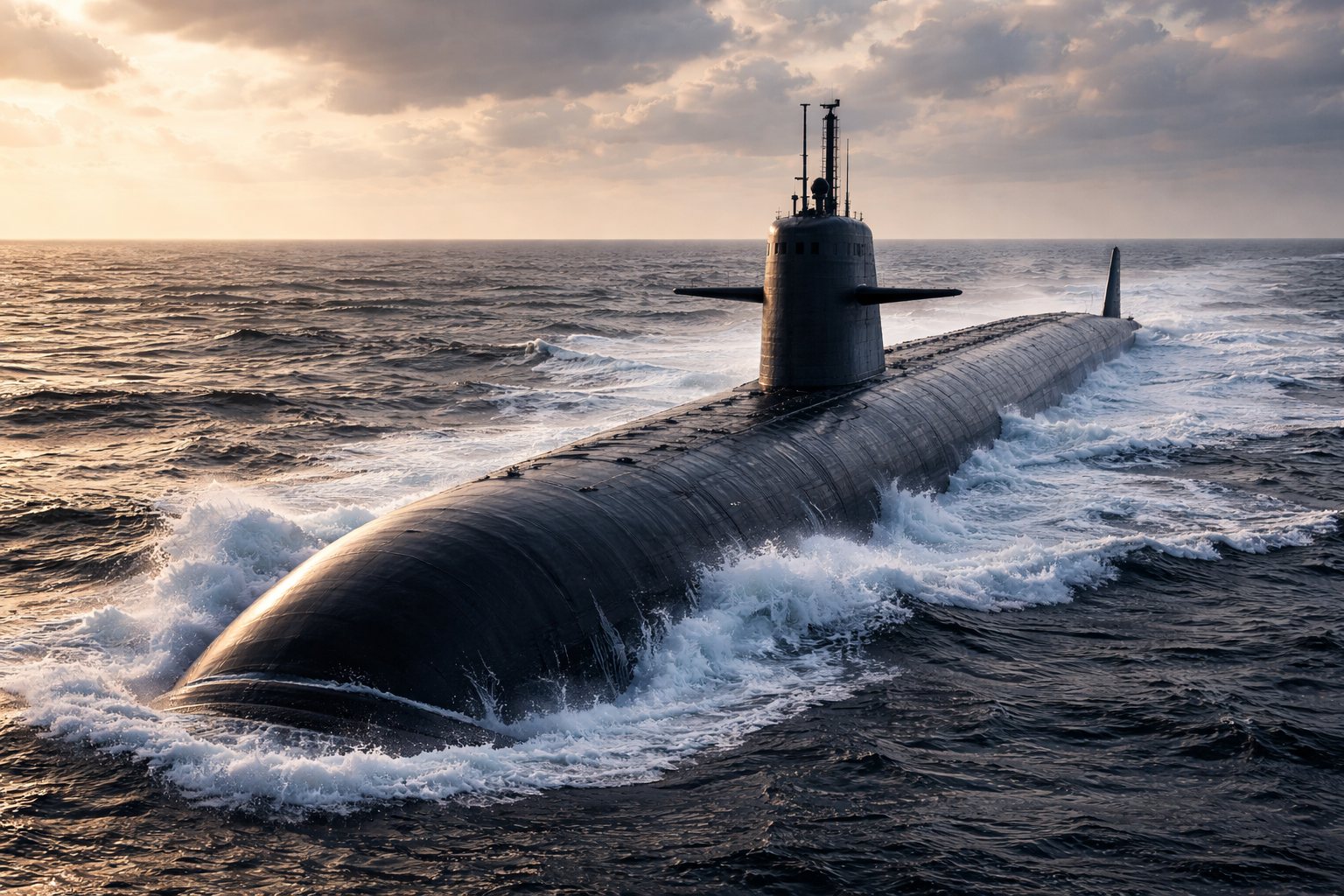
Indonesia’s prospective third and fourth Scorpene submarines could be delivered with torpedo-tube-launched missile capability integrated from the outset, adding a more demanding systems layer to Jakarta’s undersea industrial programme.
The current Scorpene Evolved programme already carries a significant domestic manufacturing component, with two boats being built in Indonesia through the Naval Group and PT PAL partnership. That arrangement puts local construction, technology transfer, workforce development, shipyard readiness, and production process qualification at the heart of the programme. Missile integration would raise the complexity of any follow-on order well beyond local hull work.
Submarine localisation is difficult because hull construction is only the most visible part of the task. Acoustic performance, pressure-hull quality, welding discipline, propulsion integration, combat-system installation, electrical architecture, battery safety, habitability, weapons handling, platform management software, and acceptance trials have to function as one certified vessel. Adding missile capability at baseline increases the workload across fire control, software integration, launcher interfaces, safety cases, command authorisation, test procedures, and crew training.
The difference between physical compatibility and full integration is substantial. A submarine may be able to carry a weapon family while still needing further software, certification, and fire-control work before the navy can use it in service. Indonesia’s follow-on decision therefore becomes an industrial question: how much of that integration can be designed into the submarine from the start, and how much can PT PAL absorb into its domestic capability base?
For a navy responsible for a vast archipelagic geography, bringing the capability forward in the design process has practical value. Undersea forces are expensive to generate, slow to expand, and difficult to retrofit once in service. A boat built without its intended weapons architecture may face later yard periods that disrupt fleet availability and increase cost. Baseline missile integration also gives local engineers earlier exposure to the full combat-system chain.
The wider Southeast Asian maritime market is moving in the same direction. Malaysia’s move toward mobile maritime command infrastructure shows regional navies investing in command, basing, surveillance, and platform flexibility rather than treating ships as isolated assets. Submarines, missile integration, offshore command vessels, and domestic industrial participation are becoming connected elements of maritime security planning.
PT PAL’s role will determine how much of the Scorpene programme becomes enduring domestic knowledge. Shipyard preparation, qualification sections, workforce training, production systems, software integration, and documentation control all shape the difference between supervised local build and sovereign industrial competence. Naval Group can provide the design route, but Indonesia’s own industrial performance will set the programme’s long-term value.
The integration risks remain substantial. Missile capability brings export-control constraints, classified interfaces, secure software, encrypted systems, weapons safety, and more demanding test evidence. Local production also has to be balanced against the design authority needed to preserve submarine safety and acoustic performance. A submarine programme punishes weak scheduling and supplier drift more severely than most surface-vessel projects.
Defence manufacturers should read the Indonesian case as part of a wider customer shift. Buyers increasingly expect major platforms to arrive with local industrial depth, upgrade headroom, and weapons flexibility built in. A missile-ready follow-on Scorpene would strengthen the Indonesian Navy, but its more durable effect would be to raise the ceiling for Indonesia’s domestic undersea manufacturing and integration base.