IN Brief:
- The Netherlands has signed for Naval Group F21 heavyweight torpedoes.
- The weapons will equip the future Orka-class submarines.
- The deal deepens the systems-integration workload around Europe’s newest diesel-electric submarine programme.
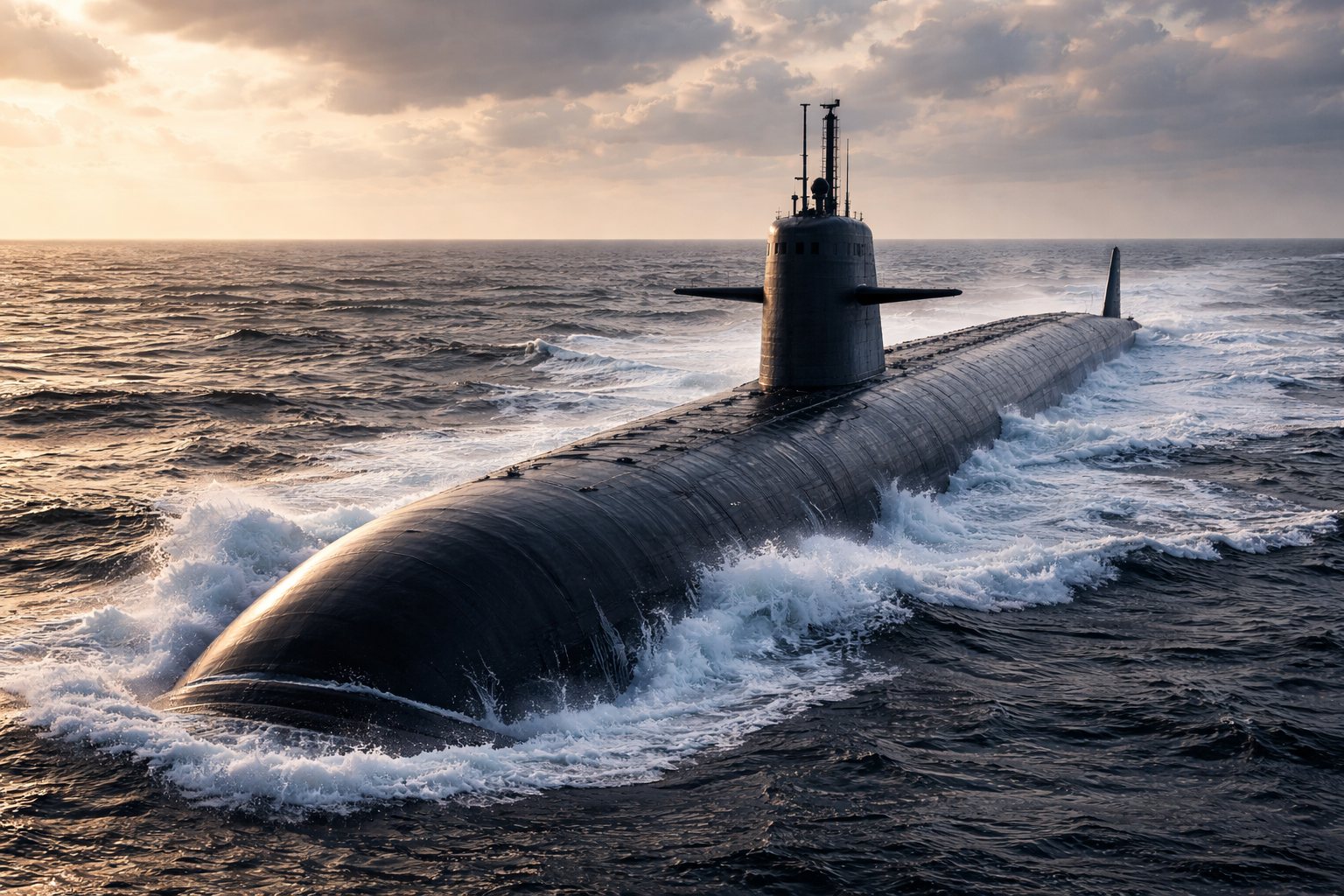
The Netherlands has signed a contract with Naval Group for F21 heavyweight torpedoes to equip the Royal Netherlands Navy’s future Orka-class submarines, placing weapons integration firmly inside the country’s submarine replacement programme.
The contract makes the Royal Netherlands Navy the first NATO diesel-electric submarine fleet set to operate the F21. The weapon is already operated by the French Navy and the Brazilian Navy, and its selection for Orka adds another European customer route for Naval Group’s undersea weapons portfolio.
For the Netherlands, the F21 decision is not a bolt-on purchase. Torpedoes are deeply integrated into a submarine’s combat system, launch equipment, safety procedures, training pipeline, maintenance regime, and logistics chain. A heavyweight torpedo has to interface with fire-control software, target data, weapon-handling systems, communication links, test equipment, storage conditions, and crew procedures.
Bringing that work into the Orka programme early gives the navy a clearer baseline for trials and acceptance. It also reduces the risk of a later retrofit in which weapons, software, and handling equipment have to be qualified against a submarine already moving through delivery. In undersea programmes, late integration work can quickly disrupt schedule, cost, and training plans.
The Orka-class programme is already industrially complex. Naval Group’s submarine design is being adapted for Dutch requirements, while Dutch companies are being drawn into components, subsystems, steel structures, automation, and support activity. F21 integration strengthens the French-Dutch industrial link but also raises the need for system-level coordination across suppliers.
Undersea weapons carry a different production rhythm from many surface systems. Torpedoes require pressure-resistant structures, propulsion systems, energy systems, sensors, guidance electronics, safety mechanisms, software, warhead integration, and rigorous test evidence. They must remain reliable after storage and maintenance cycles, and they must operate in an environment where recovery after failure is rarely available. Quality assurance and configuration control are therefore central manufacturing requirements.
European undersea capability increasingly depends on the whole support ecosystem rather than submarine build alone. Naval construction capacity in Europe and submarine sustainment infrastructure both point to the same industrial constraint: undersea readiness needs shipyards, weapons, training, maintenance, dock infrastructure, and specialised workers.
The F21 contract also gives Naval Group a longer through-life relationship with the Netherlands. Torpedo support includes crew training, simulators, maintenance routines, test equipment, live-fire feedback, and software or configuration updates. Those services become part of the navy’s operational readiness and may support future export campaigns where buyers want a full submarine-and-weapons ecosystem rather than a platform-only package.
The NATO diesel-electric customer reference carries commercial weight. Export buyers often look for evidence that a weapon has been selected by a demanding NATO user, particularly when integration into a new submarine class is involved. The Dutch decision strengthens F21’s standing in that market while adding another workload to the Orka programme’s delivery chain.
The Orka replacement will still face the normal pressures of submarine procurement: schedule control, industrial cooperation, cost discipline, political scrutiny, and workforce availability. The F21 selection gives the weapons path more definition and reinforces a familiar point in naval manufacturing. Modern submarine procurement is not a hull competition. It is an integrated industrial programme covering sensors, combat systems, weapons, software, training, and sustainment over decades.