IN Brief:
- The first German Quadriga Eurofighter completed its initial production flight-acceptance sortie at Manching.
- Thirty single-seat and eight twin-seat Tranche 4 aircraft are being built.
- Early test findings will influence rework, supplier controls, acceptance procedures, and delivery tempo across the batch.
Germany’s first Quadriga Eurofighter has completed its maiden flight from Airbus’s Manching site, moving the Luftwaffe’s latest Tranche 4 batch from final assembly into flight acceptance.
Aircraft 34+02 flew for approximately one hour during its initial Production Flight Acceptance Test. The sortie begins the process of verifying the completed aircraft against its production and customer baseline before delivery to the German air force, which is expected later in 2026.
Quadriga covers 38 aircraft, comprising 30 single-seat and eight twin-seat fighters. The programme sustains Germany’s combat-air fleet while supporting an industrial transition towards electronically scanned radar, updated software, and later weapon and mission-system enhancements.
A combat aircraft leaving final assembly remains an unfinished production article until ground and flight evidence confirms that its systems work together within approved limits. Flight exposes interactions among propulsion, avionics, environmental controls, sensors, software, flight-control systems, and the airframe under aerodynamic, thermal, and vibration conditions that cannot be reproduced fully inside the factory.
Production acceptance differs from developmental testing because the aircraft type is established, while the manufacturer must demonstrate that this specific airframe has been assembled correctly. Discrepancies then need to be identified, traced, corrected, and incorporated into the production system before they recur on later aircraft.
The first aircraft sets the production rhythm
Lead aircraft within a new batch carry a disproportionate assurance burden because updated drawings, software, equipment standards, supplier deliveries, tooling, and assembly instructions converge for the first time. Faults discovered early can be corrected on following airframes before installation has advanced too far.
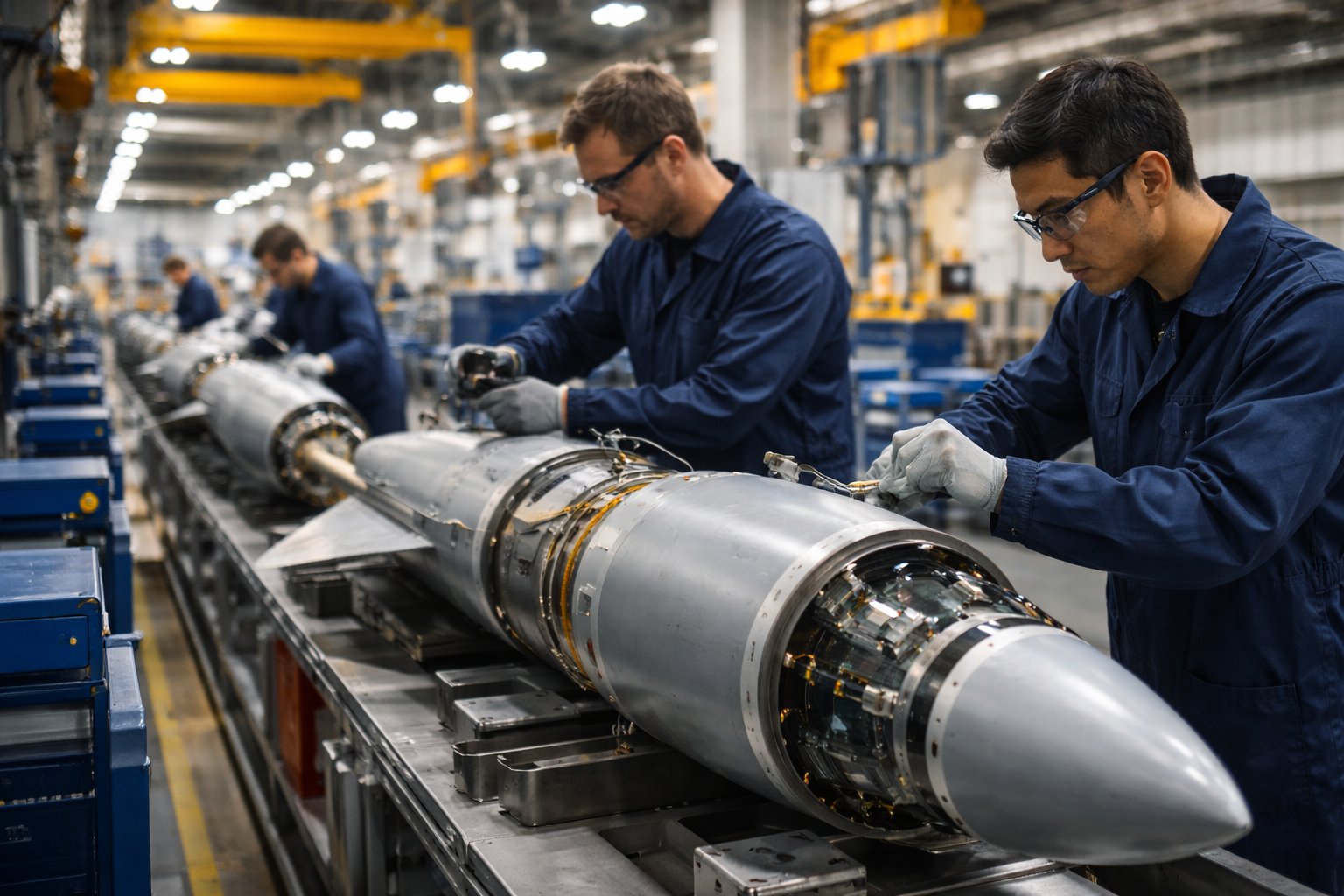
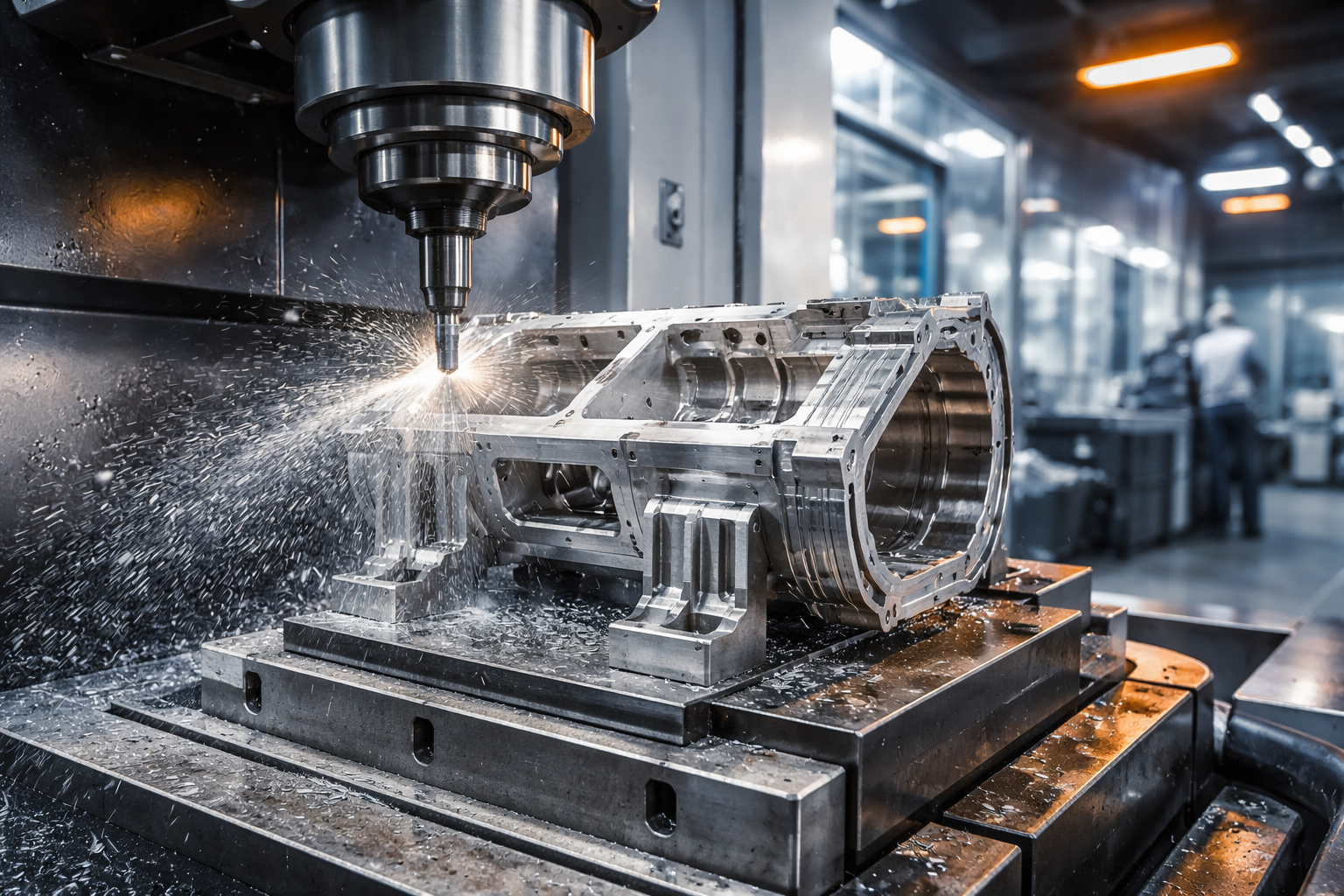
Airbus’s Manching line operates through controlled production stages, but the completed fighter represents output from a multinational network spanning Germany, the UK, Italy, Spain, and hundreds of specialist suppliers. Major structures, avionics, propulsion equipment, sensors, and smaller components must arrive in the correct configuration and sequence.
That distributed model preserves European industrial participation while making configuration management essential. A delayed component, design deviation, or incomplete document within one national supply chain can interrupt work elsewhere, and small differences between standards may complicate installation and acceptance.
Germany had already presented the first Quadriga airframe as part of its effort to preserve European combat-air production. The maiden flight now converts that assembly milestone into measurable evidence covering aircraft behaviour, system performance, and production quality.
Radar integration will remain a significant area of work. Electronically scanned systems require more than a replacement antenna, drawing on power, cooling, processing, cockpit displays, mission software, and structural provisions. Even where final radar installation occurs later, the airframe baseline must include controlled interfaces to avoid expensive modification.
Software increasingly governs delivery schedules across combat-air programmes. A mechanically complete aircraft can remain unavailable because mission-computer releases, sensor-fusion functions, cyber findings, or verification evidence have not reached the required standard.
The first aircraft’s results will feed directly into the factory. Engineers may adjust rigging, software-loading procedures, calibration routines, inspection points, documentation, or supplier acceptance criteria. Closing that feedback loop quickly prevents the same discrepancy from appearing on multiple airframes and accumulating into a rework queue.
Efficient acceptance also depends on test infrastructure. Ground rigs, simulators, software laboratories, instrumentation, and range access must be available in step with aircraft output. Increasing assembly rates without expanding those supporting assets can shift the bottleneck from the factory to flight test.
Production continuity has strategic value because Germany has also committed to a further Tranche 5 batch. Together, the orders help retain experienced technicians, security-cleared software engineers, design authority, test specialists, and suppliers while Europe develops future combat-air systems.
Continuity does not automatically create higher output. Specialist suppliers still need forecasts, materials, electronics, test equipment, and confidence that investment will be supported by a durable order book. Components produced in low quantities for several national variants remain difficult to replace when a supplier encounters technical or financial pressure.
Lessons from Quadriga should consequently influence the later batch. Stable interfaces, common software, predictable radar integration, and repeatable acceptance procedures could reduce non-recurring work, while national changes introduced without coordination would add complexity.
The first flight represents one aircraft, but its engineering significance extends across the remaining 37. Every discrepancy resolved at this stage protects later delivery schedules; every unresolved interface risks spreading through the production line.
Germany’s latest Eurofighter order is supporting both operational replacement and industrial continuity. The quality of the acceptance campaign will determine how efficiently those objectives convert from assembled airframes into delivered combat aircraft.