IN Brief:
- Boeing expects the first VC-25B to begin testing in 2027 and both aircraft to be delivered during 2028.
- The original $3.9 billion fixed-price programme now exceeds $5 billion and is around four years late.
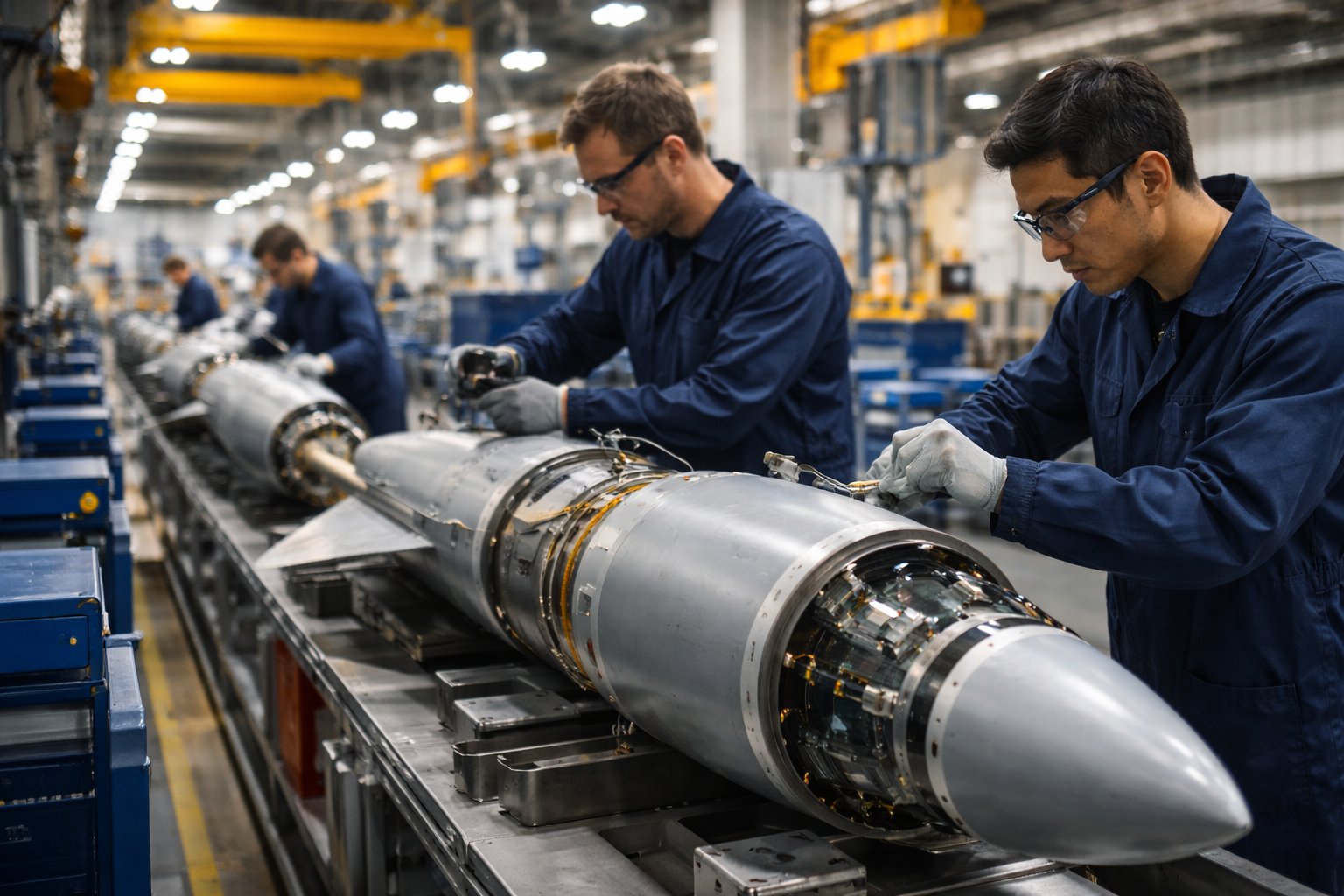
- Converting completed 747-8 airframes requires extensive structural, electrical, communications, defensive, security, and certification work.
Boeing is maintaining a 2028 delivery target for the two VC-25B presidential aircraft, although further cost is expected as structural modification, wiring, system installation, testing, and certification continue.
The first aircraft is expected to enter testing during 2027. Delivery in 2028 would leave the programme around four years behind its original schedule.
Boeing received a $3.9 billion fixed-price contract in 2018 to convert two 747-8 aircraft into the next generation of Air Force One. Programme costs have since risen beyond $5 billion as the complexity of the low-volume conversion has become clearer.
The VC-25B retains the basic external architecture of the 747-8, but the modification reaches through almost every major aircraft system. Secure communications, defensive equipment, additional power, cooling, mission electronics, specialised interiors, and structural changes must be integrated without compromising safety or reliability.
Commercial aircraft factories derive efficiency from repetition. Tooling, workforce tasks, supplier deliveries, engineering changes, and quality processes are spread across tens or hundreds of similar units.
A two-aircraft programme offers little opportunity to recover learning costs. Each modification, test issue, and design change is divided between two highly specialised airframes rather than absorbed across a long production run.
The aircraft were acquired after initial manufacture instead of being assembled from the first station around the final military configuration. Removing interiors and commercial equipment, opening structure, installing new systems, and closing the aircraft again exposes interfaces that are difficult to predict from design models alone.
Wiring carries the programme
Electrical integration is among the least visible and most disruptive parts of the conversion. Secure communications, sensors, mission equipment, defensive systems, additional power distribution, and specialised interiors require extensive cable installation through an airframe designed for another purpose.
Every cable needs a controlled route, separation, support, shielding, identification, termination, inspection, and maintenance provision. High-power lines must remain separated from sensitive data and radio-frequency equipment, while the complete aircraft must meet demanding electromagnetic-compatibility standards.
Moving one item of equipment can change cable length, weight, structural support, cooling, maintenance access, and the arrangement of adjacent systems. Inside a densely packed conversion, local changes can propagate through several design disciplines.
Power and thermal management create parallel constraints. Mission and communications electronics generate heat and require dependable electrical supply during normal, degraded, and emergency conditions.
Generators, converters, batteries, cooling systems, ducts, pumps, controls, and heat exchangers add weight and occupy volume already competing with fuel, crew areas, mission equipment, defensive systems, and presidential facilities.
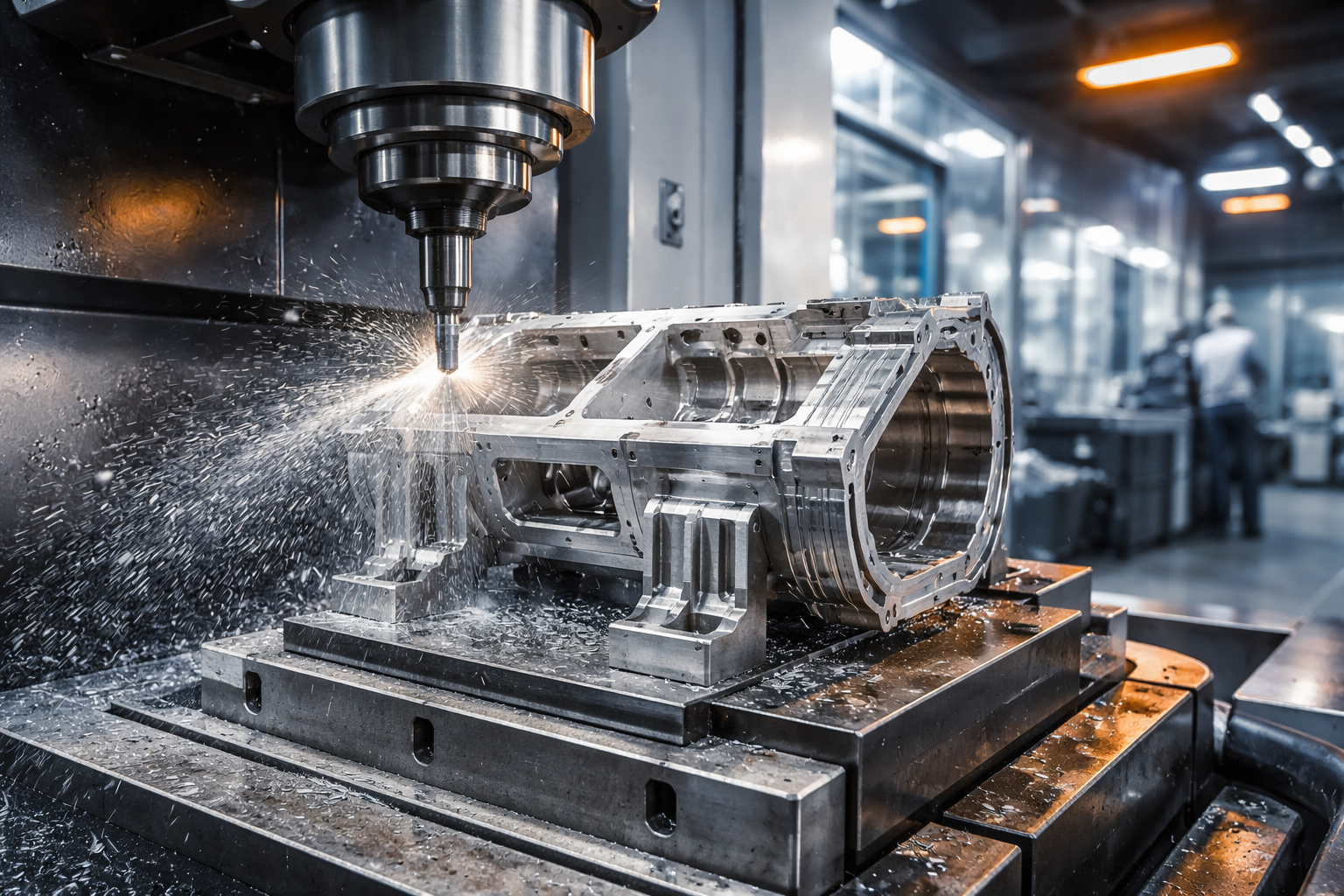
Structural modification requires equally rigorous evidence. Antennas, apertures, internal equipment, and defensive systems may require reinforcement, while engineers must preserve fatigue life, damage tolerance, pressurisation, flutter margins, evacuation, and crashworthiness.
Certification combines civil-derived systems with unique military equipment and a national-command role. Ground and flight tests must address safe handling, communications, mission-system operation, electromagnetic compatibility, maintainability, security, and continued operation under abnormal conditions.
The fixed-price contract transferred a large share of programme risk to Boeing. Such arrangements work best when requirements, interfaces, and manufacturing processes are mature, rather than when two classified and heavily modified aircraft contain unique equipment and evolving systems.
Low-volume production also complicates workforce planning. Specialist engineers and technicians may be required intensely during one stage, followed by a gap before testing or rework. Security-clearance requirements narrow the available labour pool.
Experience with the 747 is becoming less common after commercial production ended. Suppliers must support systems originally designed for a much larger fleet while also manufacturing unique VC-25B equipment in very small numbers.
Obsolescence can therefore arrive before delivery. Electronics selected early in a prolonged development programme may require replacement, forcing changes to software, drawings, qualification evidence, spares, cybersecurity, and training.
The interaction between production maturity and continuing modification also appears in the T-7A modernisation programme, where design changes are being introduced while manufacturing and certification are still stabilising.
VC-25B presents that problem in a more concentrated form. There is no later production batch across which corrective changes can be introduced gradually; both aircraft must reach the accepted configuration while testing discoveries may still force extensive rework.
A 2027 test start will begin another demanding phase. Ground tests, taxi trials, flight testing, communications verification, defensive-system checks, certification, and government acceptance can uncover faults in equipment that has become difficult to access.
The existing presidential fleet entered service in 1990, increasing pressure to complete the replacement while maintaining the older VC-25As. Sustainment of those aircraft draws on another ageing 747 support structure and cannot simply pause while the new jets progress.
Boeing’s 2028 target depends on wiring, structures, cooling, power, software, and certification converging without further substantial redesign. The recognisable 747 exterior conceals thousands of controlled interfaces whose performance must be demonstrated together.
The programme illustrates the limits of treating conversion as an easier alternative to a new military aircraft. Reusing an existing airframe avoids clean-sheet aerodynamic development, but the mission systems, security architecture, certification burden, and two-aircraft production model remain exceptionally difficult.