IN Brief:
- MQ-28 has completed an expanding series of flight, autonomy, weapons, and radar-signature trials.
- Boeing is offering the Australian aircraft for international collaborative combat aircraft requirements.
- Export growth will depend on production rate, mission-system flexibility, support infrastructure, and controlled integration of national weapons.
Boeing has brought the MQ-28 Ghost Bat to the Farnborough International Airshow as collaborative combat aircraft programmes begin moving from experimental work towards force-structure and procurement decisions.
The Australian-developed uncrewed aircraft arrived in Europe with an expanding test record that includes autonomous operations, radar-signature evaluation, allied exercises, and a live air-to-air missile engagement. Boeing is using that accumulated activity to offer customers an aircraft with working hardware, established flight characteristics, and a production system already moving beyond low-rate prototypes.
Ghost Bat is designed to operate alongside crewed combat aircraft and other networked assets, carrying sensors, electronic warfare equipment, or weapons through interchangeable mission configurations. Its removable nose section allows payload changes without redesigning the principal airframe, provided each module remains within defined structural, electrical, thermal, software, and aerodynamic limits.
The aircraft appeared alongside MBDA’s Meteor missile at Farnborough, introducing a potential European weapons path. A display does not constitute an integrated capability, although it illustrates the combinations under consideration as Boeing broadens the programme beyond its original Royal Australian Air Force customer.
An earlier weapons trial saw the aircraft launch an AIM-120 AMRAAM during a coordinated engagement involving an E-7A Wedgetail and an F/A-18F Super Hornet. That activity moved the programme beyond autonomous formation flight into the more demanding exchange of targeting data, weapon commands, and engagement information across several platforms.
Flight maturity must become production repeatability
Successful trials reduce development uncertainty, but they do not establish an affordable fleet. Collaborative combat aircraft are expected to be bought in greater numbers and at lower unit cost than crewed fighters, which requires manufacturers to restrain the complexity that has increased cost and schedule across previous combat-air programmes.
Boeing is establishing a dedicated MQ-28 production facility at Wellcamp near Toowoomba in Queensland. Recruitment spans assembly, production engineering, supply-chain management, security, quality assurance, configuration control, logistics, and field support, marking a transition from a prototype organisation towards the infrastructure needed to deliver and sustain operational fleets.
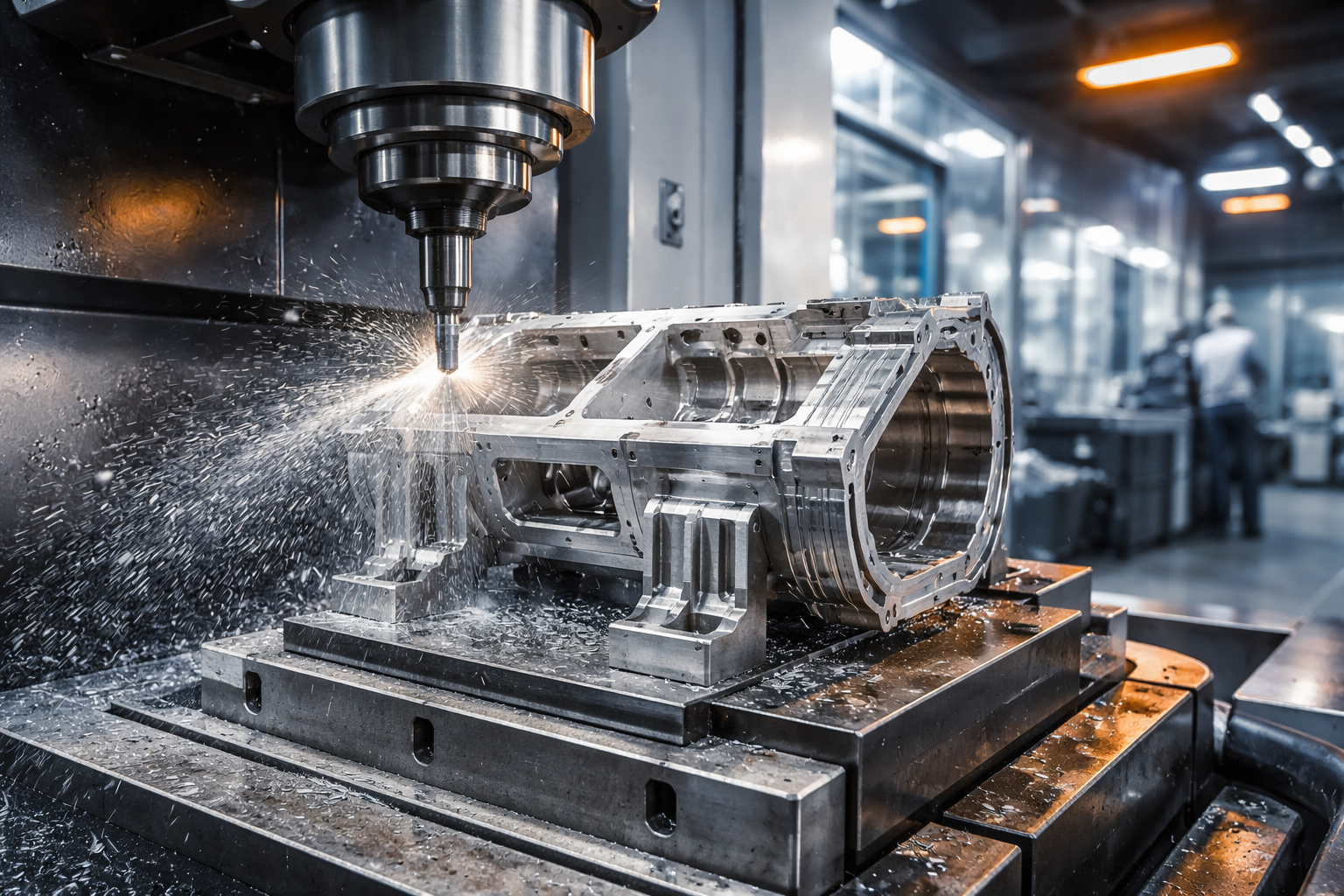
Low-observable manufacturing will demand consistent surface finish, accurate panel alignment, controlled materials, and repeatable repair techniques. Variations that would be acceptable on a conventional aircraft can alter radar performance, placing greater emphasis on metrology, process documentation, supplier controls, and inspection.
Radar-cross-section testing has already examined the relationship between the aircraft’s shape, materials, and manufactured condition. Those findings must be converted into production instructions and depot standards that ordinary factory and support teams can apply repeatedly, rather than remaining dependent on specialist test personnel.
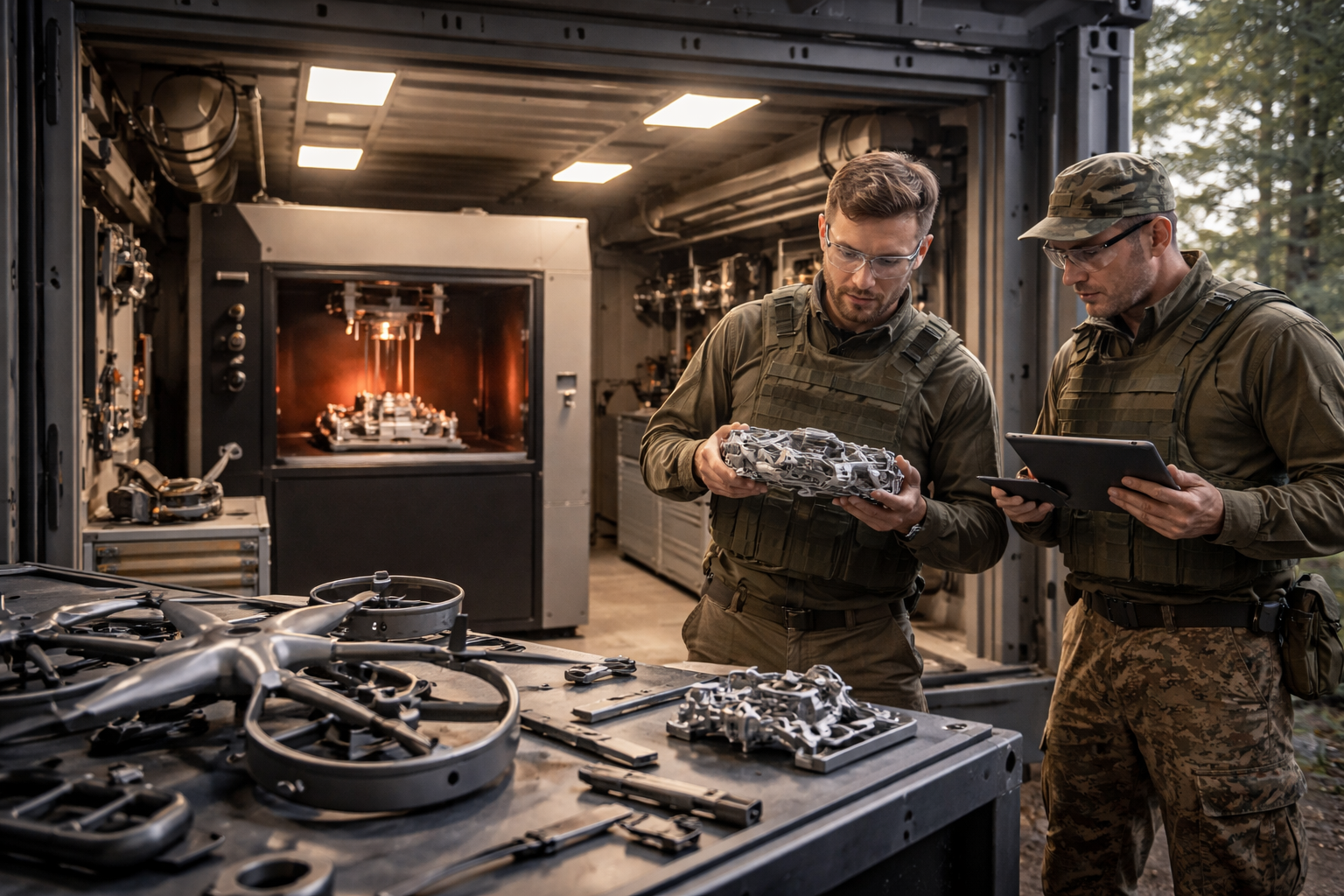
Digital tooling and model-based engineering can reduce rework, although the production line still needs stable suppliers for structures, engines, actuators, landing gear, electronics, and mission equipment. Collaborative aircraft economics will weaken if long-lead components or specialist materials remain available only at the volumes and prices associated with experimental fleets.
The programme’s expansion across Pacific combat-air exercises has already demonstrated its ability to operate beside allied platforms. European and other export customers will add new requirements for weapons, datalinks, radios, cryptography, mission software, and sovereign support.
Customer variation could consume the cost advantage
Open mission architecture can shorten integration cycles by defining standard software and hardware interfaces. The compressed AMRAAM work illustrated that potential, although a larger customer base will generate pressure for increasingly different mission systems and national equipment.
Each addition creates certification, cybersecurity, electromagnetic compatibility, and configuration-management work. If every customer receives a heavily customised aircraft, common production and support benefits can erode through separate software branches, test programmes, spares holdings, and upgrade schedules.
Meteor integration would extend far beyond fitting the missile inside a bay. The aircraft would need mechanical carriage equipment, power and data connections, environmental compatibility, mission-planning support, safe-separation analysis, software control, and access to targeting information suited to the weapon’s range and flight profile.
Support arrangements require similar discipline. An uncrewed aircraft may avoid cockpit and life-support systems, but it still generates cost through engines, actuators, batteries, ground equipment, diagnostic tools, secure software, test sets, and low-observable repairs. Customers will expect dispersed operations with relatively small deployed teams, increasing the value of built-in testing and modular replacement.
Autonomy software, processors, sensors, and electronic warfare payloads are also likely to change several times during the airframe’s life. Production and support systems must accept controlled upgrades without repeatedly stopping the line or leaving fleets divided among incompatible standards.
Australia’s domestic programme gives Boeing an initial customer, test environment, and industrial base from which to pursue exports. International orders could stabilise supplier demand and reduce unit cost, provided national participation requirements do not fragment assembly and support across too many locations.
Ghost Bat enters the international competition with real flight experience and a dedicated Australian factory taking shape. Its next stage will be measured through repeatable output, manageable customer variation, weapons clearance, and lifecycle cost — the less visible disciplines that separate an effective demonstrator from a sustainable combat-air programme.