IN Brief:
- France and Dassault are examining a national or newly cooperative combat-air demonstrator.
- The project could preserve fighter-design, propulsion, stealth, sensor, and systems-integration skills.
- Funding, production scale, partnerships, intellectual property, and the route towards an operational aircraft remain unresolved.
Dassault Aviation has begun discussions with the French state over a future combat-air demonstrator after France and Germany halted joint work on the crewed fighter at the centre of the Future Combat Air System programme.
The replacement route could remain nationally controlled or draw in partners under a different industrial structure. An early-2030s flight has emerged as an indicative objective, giving France a focal point for technology work that might otherwise fragment after the multinational programme stalled.
A demonstrator would not constitute an operational fighter. Its purpose would be to combine aerodynamics, propulsion, low-observable design, flight controls, sensors, software, thermal management, and manufacturing methods within an aircraft that exposes the compromises hidden by isolated laboratory programmes.
Active development is essential to retaining combat-air capability. Engineers specialising in intake design, flight-control laws, signatures, advanced structures, mission systems, or weapons integration need continuous programmes through which knowledge can be tested and transferred to the next generation.
FCAS had been intended to connect a crewed New Generation Fighter with remote carriers, a combat cloud, sensors, propulsion, and associated technologies. Dassault led the fighter element, while Airbus and companies across France, Germany, and Spain contributed through a negotiated workshare structure.
Disputes over design authority, intellectual property, and the division of premium engineering work repeatedly affected progress. The eventual rupture left each participating country to decide how existing teams, technologies, and public investment should be redirected.
An integrated demonstrator preserves industrial knowledge
Individual systems may perform convincingly during bench or wind-tunnel testing, yet their behaviour changes once they compete for weight, power, volume, cooling, data, and access within a single aircraft.
Engines, fuel, weapons bays, sensors, electronic warfare equipment, actuators, power generation, communications, and maintainable access must fit inside an external shape governed by aerodynamic and signature requirements. The demonstrator forces those competing demands into one engineering baseline.
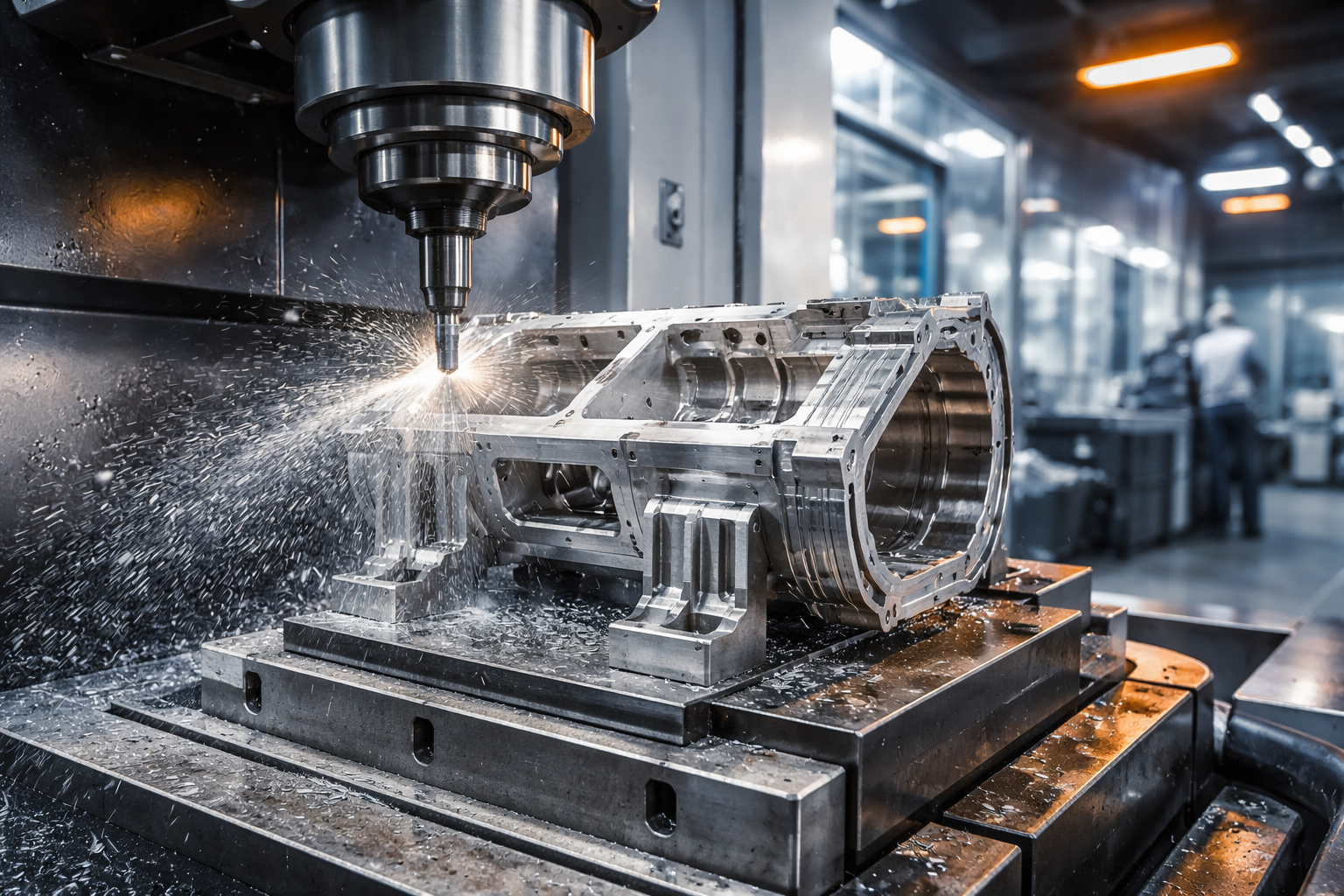
Manufacturing knowledge develops alongside the airframe. Low-observable structures require accurate assembly, controlled surface treatments, consistent gaps, and repair techniques that preserve signature performance. Complex composite parts can reduce component count, but they depend on expensive tooling, controlled curing, inspection, and specialist repair procedures.
Metallic structures around engines and high-temperature zones may require advanced alloys, coatings, and joining methods. Production engineers must also determine whether prototype techniques can be repeated at the rate and cost needed for an operational fleet.
France retains substantial national capability through Dassault, Safran, Thales, MBDA, and a dense aerospace supply chain. Rafale and the nEUROn demonstrator provide relevant design experience, while current work on propulsion, sensors, weapons, and uncrewed combat aircraft can feed the next programme.
The breakdown of the shared FCAS fighter effort nevertheless leaves France facing the scale of a modern combat-air programme with a smaller national customer base. Greater control over design decisions and exports comes with concentrated development, test, tooling, and support costs.
Sovereignty carries a production bill
An operational successor would require more than a successful flight demonstrator. Mission-software laboratories, radar development, electronic warfare testing, weapons clearance, certification, production tooling, training equipment, and decades of support infrastructure would all need sustained funding.
France could invite partners after establishing a clearer design structure, allowing other countries to join a defined programme rather than renegotiating leadership from the beginning. That approach could accelerate decisions, although prospective partners may resist financing a system whose intellectual property and premium work packages are already largely allocated.
The programme must also coexist with Rafale F5, the associated uncrewed combat aircraft, weapons development, and support for existing fleets. Those activities preserve skills and provide technology stepping stones, while drawing from the same pool of experienced engineers, test facilities, and defence funding.
Industrial continuity depends on beginning long-lead work well before the demonstrator enters assembly. Engine cores, materials, digital engineering tools, radar laboratories, wind-tunnel campaigns, and test infrastructure require investment years before first flight.
Moving before requirements and budgets are stable can produce repeated redesign and supplier disruption, whereas prolonged delay risks losing specialist teams as experienced staff retire or move into civil aerospace and other technology sectors.
Europe’s wider combat-air landscape is now divided among several programmes. The UK, Italy, and Japan are advancing GCAP, while Germany and Spain must determine how their FCAS investment continues without France. Parallel efforts may preserve national capabilities, but they divide engineering resources and future production volumes across several costly architectures.
Dassault’s proposed demonstrator gives France a practical route beyond the breakdown of the previous partnership. Its industrial credibility will depend on a stable scope, clear design authority, sustained funding, and an uninterrupted path from experimental aircraft towards production engineering.