IN Brief:
- LIG D&A has begun assembly of the first KSAM-II naval surface-to-air missile prototype.
- The programme is targeting domestic content above 90 per cent and development completion by 2030.
- Missile manufacture must converge with KDDX launch-system, radar, combat-management, and ship-production schedules.
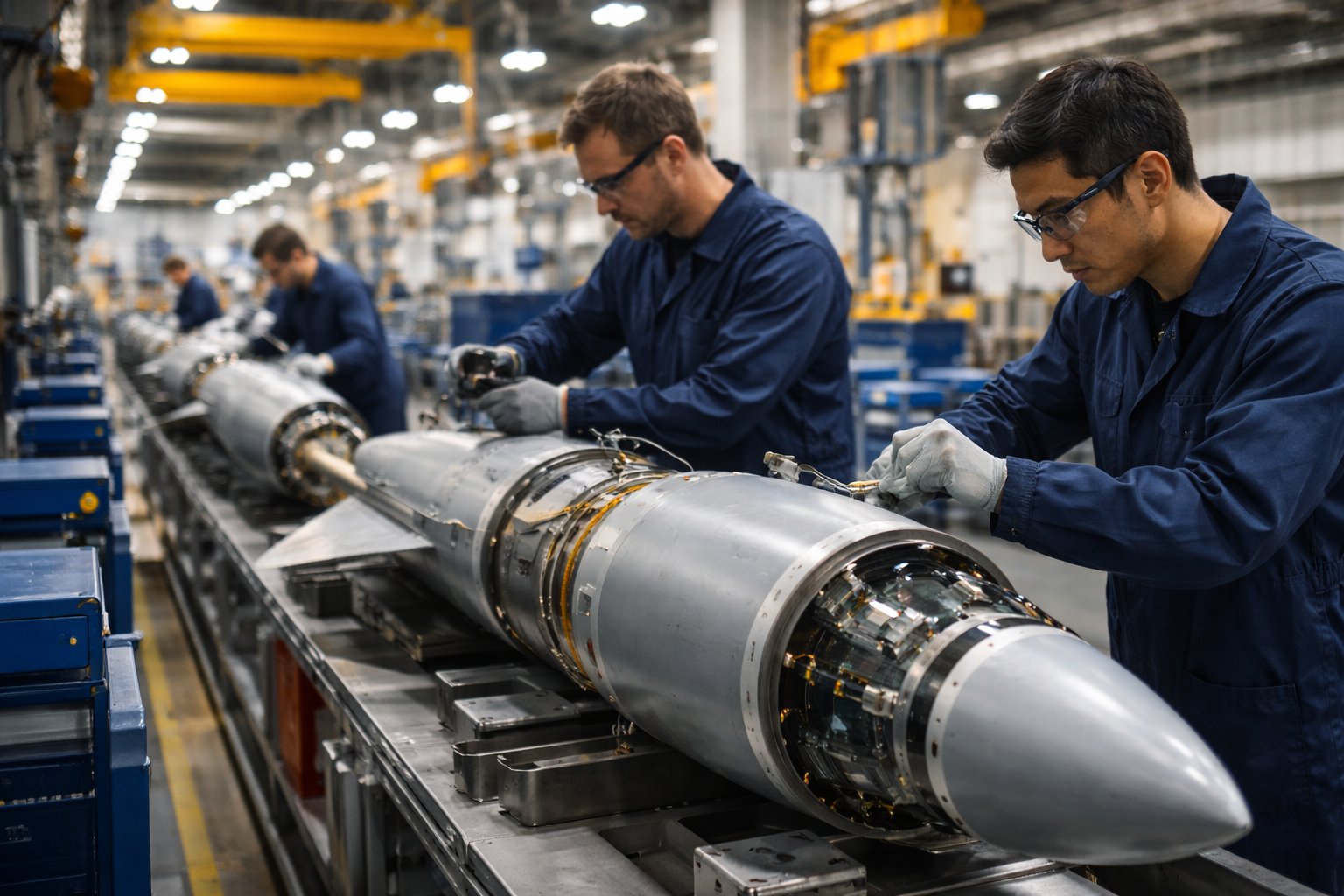
South Korea has begun assembling the first prototype of its KSAM-II naval surface-to-air missile, moving the programme from design and facility preparation into physical production.
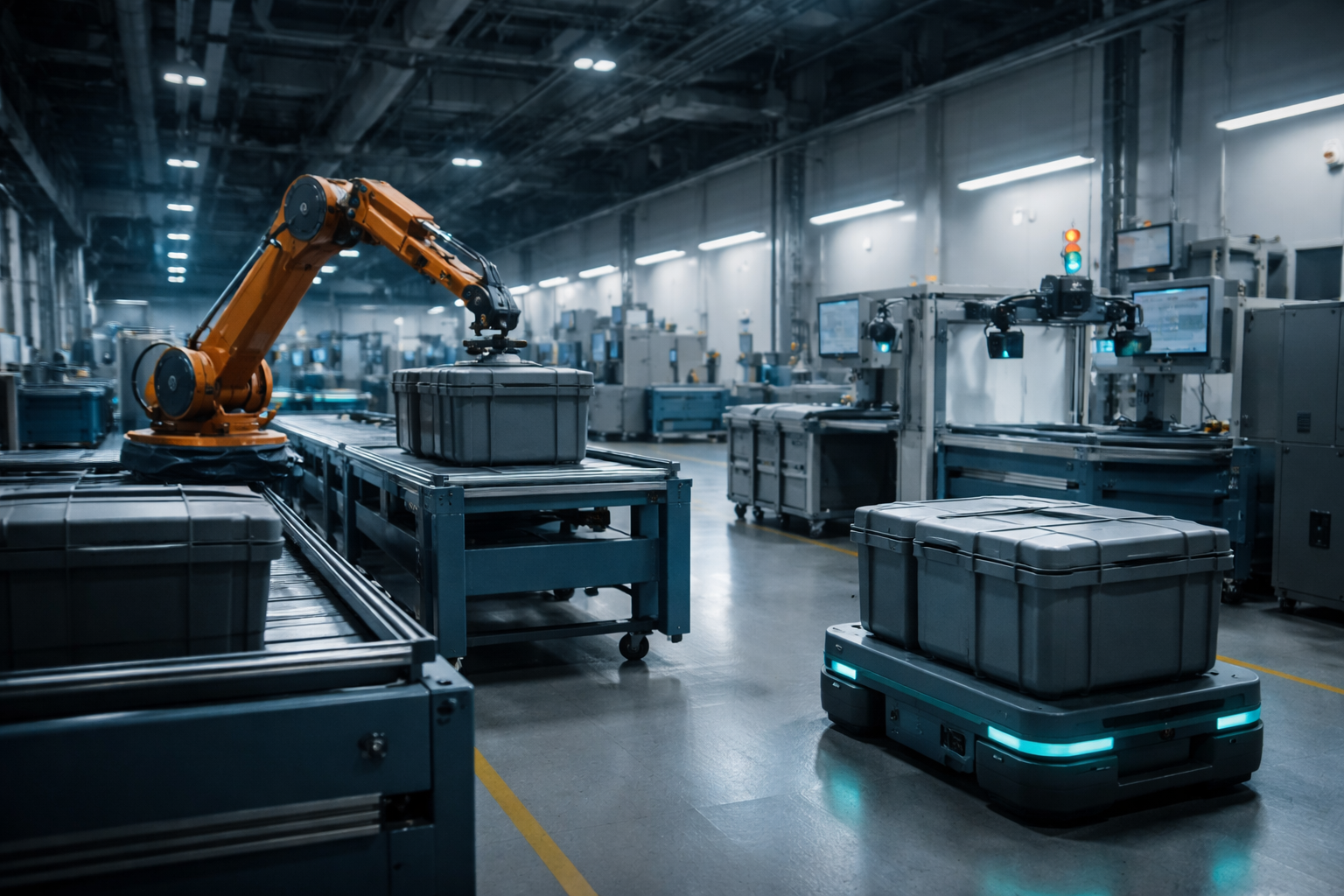
Work is taking place at LIG D&A’s dedicated facility in Gumi, where the company is establishing the tooling, handling systems, inspection processes, and records required to turn an engineering baseline into a repeatable weapon.
KSAM-II is being developed for future Republic of Korea Navy surface combatants, particularly the planned KDDX destroyer class. It is intended to reduce dependence on imported SM-2 missiles while giving South Korea greater control over integration, upgrades, production, and through-life support.
The development programme is scheduled to continue until 2030 and is targeting domestic content above 90 per cent. Achieving that level across guidance, propulsion, control, warhead, booster, power, datalink, and structural systems will require coordination across a broad national supplier base.
Approximately 6m long, the missile is divided into major guidance, main-body, and booster sections. The first prototype is expected to pass through around 20 assembly stages over approximately three months.
Prototype manufacture proceeds more slowly than serial production because the line is also generating engineering evidence. Components are inspected, aligned, connected, sealed, and tested, while engineers record whether tooling, drawings, tolerances, and work instructions produce the expected result.
Any misalignment or inaccessible connector discovered late in assembly may force a redesign across the missile, fixture, documentation, and inspection sequence. Finding such problems during the first article is preferable to repeating them across a production batch.
The Gumi facility must therefore remain flexible enough to support disassembly and alteration while maintaining the control required for energetic materials and safety-critical systems. Tooling needs accuracy, but it must also allow engineers to reach equipment that may still change.
Domestic content introduces its own coordination burden. A missile assembled nationally can remain dependent on foreign seekers, processors, inertial sensors, actuators, radio-frequency components, bearings, or energetic materials.
South Korea’s established capability in guided weapons, radar, electronics, shipbuilding, and propulsion gives the programme a strong base, although each subsystem still needs to arrive at the right maturity and production rate.
Propellant manufacture and motor integration will receive particular scrutiny. Naval missiles may remain sealed aboard ships for extended periods, exposed to vibration, temperature change, humidity, and salt before being expected to perform immediately.
Seals, batteries, connectors, insulation, propellant grains, igniters, and electronics must retain their characteristics through storage. Production records will later support ageing assessments, refurbishment, and life-extension decisions across the inventory.
Guidance and control equipment face a shorter technology cycle than the missile structure. Processors, sensors, memory, and radio-frequency components can become obsolete during development, forcing substitutions that require new software, testing, or qualification.
Ship integration adds another layer of concurrency. KSAM-II must fit the vertical-launch system, exchange data with the combat-management system, receive tracks from ship sensors, initialise safely, and leave the launcher without damaging the vessel or neighbouring cells.
The missile’s development is therefore tied closely to KDDX production planning and combat-system integration. Changes to missile dimensions, exhaust behaviour, launch electronics, cooling, or software can affect the ship, while alterations to radar and combat systems can create additional weapon testing.
Concurrency can shorten the route to service, but it transfers risk between programmes. A missile delayed in qualification may leave completed ships without their intended air-defence weapon, while a ship-design change can force the missile team to repeat interface work.
The move away from imported SM-2 rounds gives the navy greater freedom over future upgrades and stockpile management. South Korean control over software, production data, test equipment, and depot support could shorten repair and modification cycles.
Export potential may follow once the domestic system matures, particularly as South Korean shipbuilders pursue international surface-combatant programmes. Customers, however, will expect integration with different radars, launch systems, combat-management software, and security arrangements.
A common missile architecture can support those variations if interfaces remain modular. Extensive customer-specific redesign would reduce the production advantages gained through domestic scale.
Supplier throughput will also have to match the final assembly line. Additional floor space or shifts in Gumi cannot increase completed output when motors, seekers, actuators, electronics, or warheads arrive more slowly.
Quality escapes become more expensive as production increases. A fault found after several missiles have been sealed can affect an entire batch, while incomplete traceability may force wider inspection or withdrawal than the original defect requires.
Digital manufacturing records, serialised components, controlled software loading, and automated test capture can reduce that exposure. They also support later fault investigation across missiles stored at different naval bases or deployed on separate ships.
South Korea’s ambition to exceed 90 per cent domestic content will be measured most clearly when production encounters shortages or design changes. A resilient supply chain should be able to qualify alternatives and continue output without prolonged dependence on a single overseas source.
The first prototype marks the point at which design assumptions meet practical assembly. It will show whether sections fit, whether suppliers can hold tolerances, whether test equipment catches faults, and whether the documented process reflects the hardware in front of the technicians.
KSAM-II will only become a sovereign naval capability when its factory, ship interfaces, software, storage regime, and support network mature together. The work now under way at Gumi begins that convergence.