IN Brief:
- Australia and the United States have demonstrated a developmental medium range ground air defence system at Woomera.
- The prototype combines an Australian CEA radar, virtualised Aegis software, and a mobile launcher.
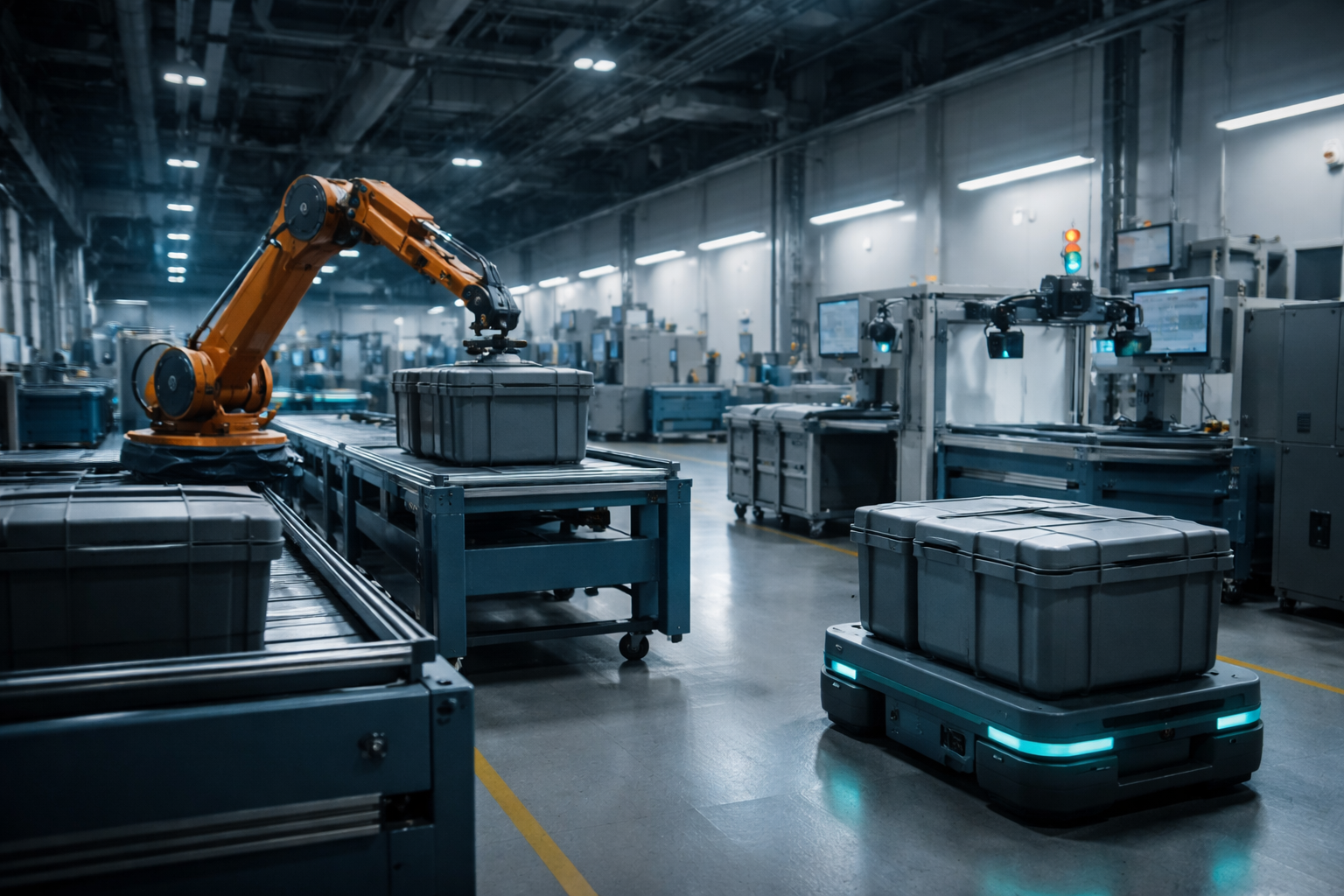
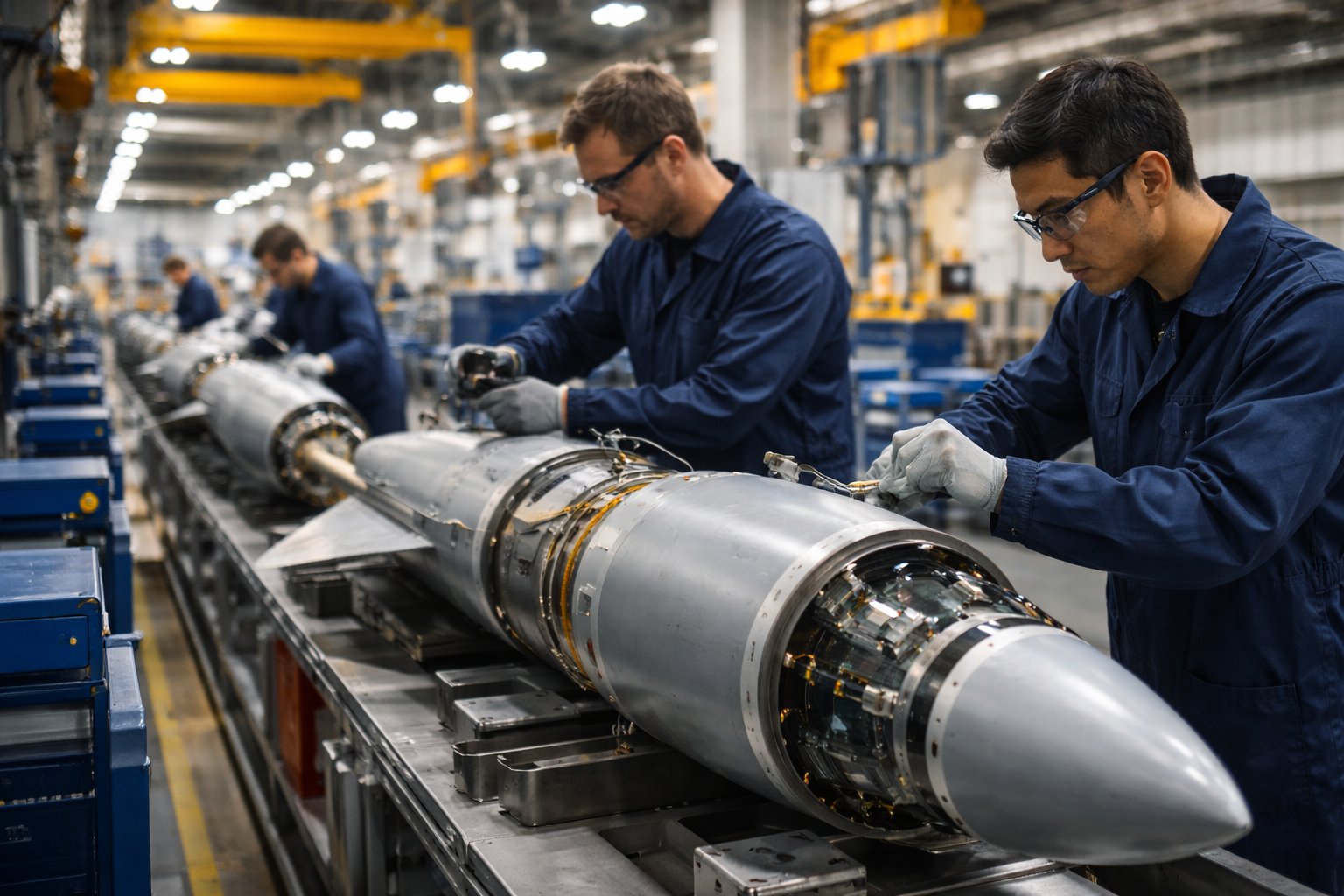
- A fielded battery would require coordinated production across vehicles, sensors, weapons, computing, power, and support equipment.
Australia and the United States have completed a live fire demonstration of a developmental medium range ground based air defence system at the Woomera Range Complex.
The prototype connected an Australian built CEA radar with virtualised Aegis command software and a mobile launcher, which fired a Standard Missile 2 against an airborne target. The activity formed part of Australia’s work towards an integrated air and missile defence network.
Although Aegis is best known as a naval combat system, its software functions can be separated from a ship and hosted on suitable computing equipment. The Woomera demonstration examined whether those functions could control an engagement using a sovereign Australian radar and land based launcher.
That transition introduces a different set of engineering conditions. A ship provides permanent power, cooling, networking, sensor geometry, weapons interfaces, and operator spaces within a relatively stable platform. A mobile battery distributes those elements across several vehicles and shelters that must deploy, connect, operate, disconnect, and move again.
The CEA radar contributes an Australian sensor designed around active electronically scanned array technology, while Aegis manages track data and engagement functions. The launcher completes the chain, but each interface has to exchange information with sufficient accuracy and speed for the weapon to receive a valid firing solution.
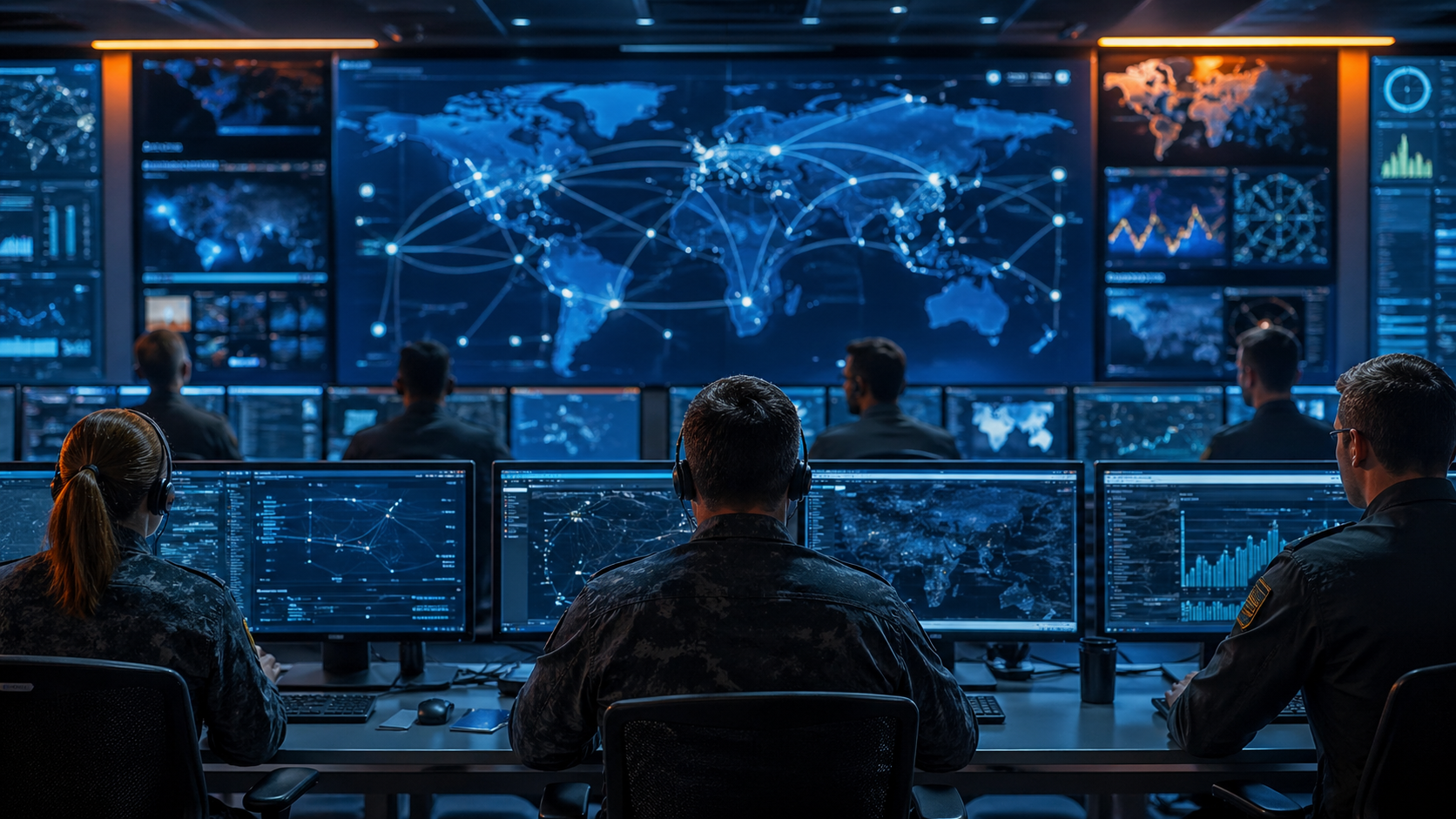
Live fire forces the complete sequence to work without the freedom available in a laboratory. The radar must detect and track the target, the command system must manage identification and engagement planning, and the launcher must receive the correct data before the weapon leaves the rail. Latency, data loss, timing errors, or incompatible track information can shorten the engagement window or prevent an intercept.
Virtualising the combat software can make hardware refresh and deployment more flexible, yet it also creates dependencies on rugged servers, secure operating environments, network switches, storage, and software configuration. Computing equipment must survive vibration, dust, heat, transport, and variable power while maintaining the deterministic performance required for weapon control.
The battery will also need dependable electrical generation and thermal management. Radar arrays, command shelters, communications equipment, and launch control systems draw considerable power, while their electronics generate heat that must be removed in demanding climates. Generators, batteries, cooling units, cables, connectors, and power conditioning equipment become part of the combat system.
Mobility adds another production layer because vehicle selection affects deployment speed, road movement, cross country performance, maintenance, and air or sea transport. Radar masts, stabilisers, shelters, and launcher structures have to remain within axle loads while withstanding repeated movement and firing loads.
Australia’s existing use of Aegis aboard Hobart class destroyers provides a base of software, training, and sustainment knowledge. Hunter class frigates will add another naval application, creating potential commonality across operators, test equipment, mission data, and software support.
Commonality must be managed carefully, since a land battery will not reproduce every naval configuration. The architecture needs a stable core while allowing platform specific sensors, launchers, vehicles, and communications equipment to be qualified without fragmenting the system into several incompatible baselines.
A production programme would extend far beyond Lockheed Martin and CEA Technologies. Australian suppliers could provide vehicles, shelters, generators, communications, cables, electronic assemblies, mechanical structures, training equipment, simulation, and maintenance support, provided their products satisfy the system’s environmental and security requirements.
The wider AIR6500 architecture is intended to connect radars, aircraft, command centres, and weapon systems across the Australian Defence Force. A medium range battery must therefore contribute to the recognised air picture while retaining enough local capability to operate when wider networks are degraded.
Software updates will require more control than a conventional information technology release. Changes to track management, sensor interfaces, weapons data, or operator displays can alter engagement behaviour, so each baseline must be tested against timing, cybersecurity, safety, and existing equipment.
Comparable integration pressures are visible in South Korea, where KSAM-II prototype assembly has brought missile production into alignment with radar, launch equipment, command software, and naval platform schedules. The Australian system combines different national technologies, increasing the importance of clearly defined interfaces and engineering authority.
Governments are increasingly adapting mature components across domains rather than funding entirely new architectures. Reusing Aegis and Standard Missile 2 can reduce some development risk, although physical integration, mobility, communications, and support still demand dedicated design and testing.
Further demonstrations will need to establish repeatability, deployment speed, electronic resilience, maintainability, and performance against a broader range of targets. The battery must also prove that crews can move from travel configuration to an effective firing posture without a large support footprint.
Woomera established that the principal elements can conduct an engagement together. Serial production will require that result to be reproduced across complete batteries whose vehicles, software, sensors, weapons, power systems, and spares arrive in controlled configurations and remain supportable in service.