IN Brief:
- Song Thu Corporation began construction of a new multi-purpose anti-submarine frigate in Da Nang on 10 August.
- Vietnamese officials say the vessel will carry phased-array radar, anti-aircraft missiles, anti-ship missiles, and a high proportion of domestically controlled equipment.
- Construction will test domestic capability across warship design, combat-system integration, qualification, production, and through-life engineering.
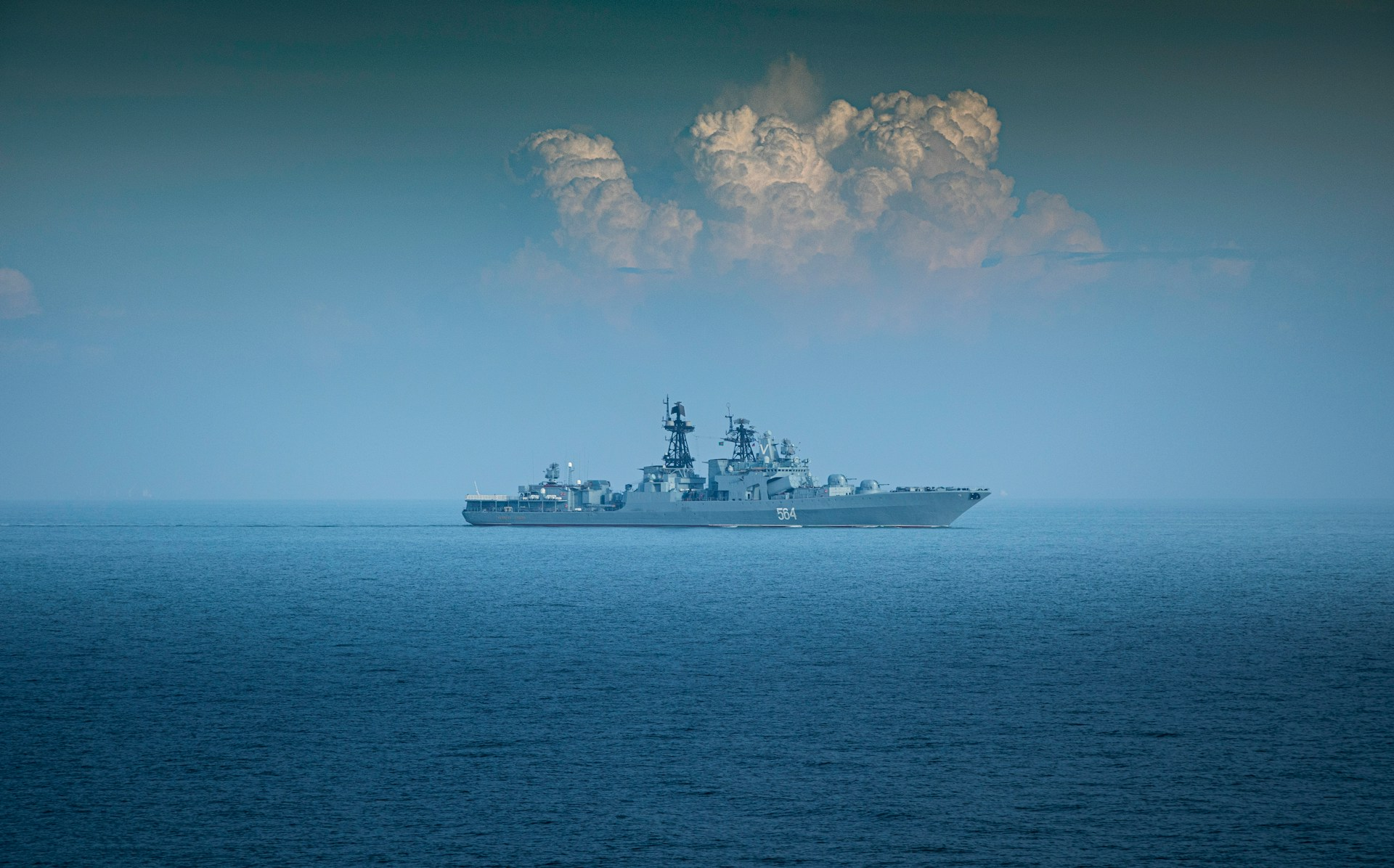
Song Thu Corporation has begun construction of a new multi-purpose anti-submarine frigate for the Vietnam People’s Navy, starting the build of what Vietnamese defence officials describe as the most advanced combat vessel yet undertaken by the country’s domestic shipbuilding industry.
The construction ceremony took place in Da Nang on 10 August, with Song Thu working alongside the Navy, the General Department of Defence Industry, and other organisations under Vietnam’s Ministry of National Defence. The programme is intended to place Vietnamese organisations in control of a much larger share of the ship’s design, construction, weapons, electronics, and technical integration than on previous major naval projects.
Government accounts identify phased-array radar, anti-aircraft missiles, and modern anti-ship missiles among the planned equipment. Viettel and factories within the General Department of Defence Industry are involved in the weapons and technical package, while officials have described the vessel as having the highest localisation level yet achieved on a Vietnamese combat ship.
That makes the programme considerably more demanding than producing a hull to an established foreign design. A modern frigate concentrates propulsion, electrical generation, cooling, navigation, communications, radar, electronic systems, weapons, software, and command functions inside an engineering baseline where changes to one subsystem can affect several others.
Song Thu already has substantial shipbuilding and repair infrastructure in Da Nang and sits under Vietnam’s General Department of Defence Industry. Its previous work includes patrol vessels, coastguard ships, auxiliaries, commercial vessels, and projects involving international shipbuilders, providing a production base from which the new frigate programme can move into more complex naval systems integration.
The Navy has been instructed to manage the programme continuously from design and manufacturing through system integration, testing, acceptance, and handover. That sequence is important because the value of a modern warship is determined less by the presence of individual weapons and sensors than by whether they work together reliably under an approved and controlled configuration.
Radar and missile integration alone brings a substantial interface burden. Mechanical installation, power demand, cooling, software protocols, fire-control data, communications, electromagnetic compatibility, operator displays, and maintenance access all have to be resolved before harbour and sea trials can begin demonstrating a coherent combat capability.
The anti-submarine role adds further engineering requirements. Hunting submarines requires a ship to combine sensing, tactical processing, communications, navigation, weapons, and signature management while controlling the noise generated by its own machinery and onboard systems. Public information released so far does not identify the complete sonar or underwater sensor fit, leaving an important part of the eventual anti-submarine configuration undisclosed.
That restraint matters because the programme should be judged on the equipment actually integrated rather than assumptions based on the ship’s intended role. Vietnam has provided unusually clear information on the domestic radar and missile contribution, but the full sensor architecture, propulsion arrangement, displacement, and final weapons configuration have not yet been made public.
The industrial structure is clearer. Viettel and other domestic defence organisations will have to align equipment development and qualification with Song Thu’s construction programme, giving Vietnam a practical test of whether its national electronics, weapons, and shipbuilding sectors can work to a common schedule and engineering baseline.
That becomes progressively harder as construction advances. A late equipment change can alter weight distribution, cable runs, cooling requirements, structural arrangements, software interfaces, or testing plans, while changes introduced after equipment has reached the yard can create rework across compartments that have already been completed.
Configuration control will therefore be as important as fabrication. Each design revision, component substitution, software release, and weapons interface has to be recorded and verified if the ship delivered to the Navy is to match the configuration that completed its acceptance programme.
The same discipline will shape through-life support. Greater domestic control can reduce reliance on overseas suppliers for upgrades and maintenance, but only if drawings, software, test equipment, specialist skills, and replacement parts remain available after the ship enters service. Sovereignty in naval engineering is sustained through documentation and support capacity as much as through the nationality of the shipyard.
For Song Thu, the build raises the technical ceiling of its military work. Producing patrol vessels and auxiliaries develops valuable welding, fabrication, outfitting, and project-management competence, but a heavily armed frigate puts far greater pressure on combat-system engineering, test, quality assurance, and integration management.
The next significant evidence will come from construction progress and equipment integration rather than the ceremony itself. Installation of the principal sensors and weapons, harbour acceptance, combat-system testing, and eventual sea trials will show how successfully Vietnam has translated a domestic design ambition into a repeatable naval engineering capability.
The programme gives Vietnam an opportunity to retain more of the knowledge behind its naval capability inside the country. Whether that develops into a sustainable warship-production base will depend on the less visible work now beginning behind the hull — engineering change control, supplier qualification, software integration, testing, and support planning carried through to acceptance.