IN Brief:
- Lockheed Martin Australia has signed a two-year AUD$26.5 million combat systems integration contract with the Australian Submarine Agency.
- More than 20 new engineering roles are expected during the initial Western Australian phase, supported by US Virginia-class specialists.
- The programme includes Australian supply-chain analysis alongside development of the workforce, infrastructure, skills, and processes required to sustain future submarine combat systems.
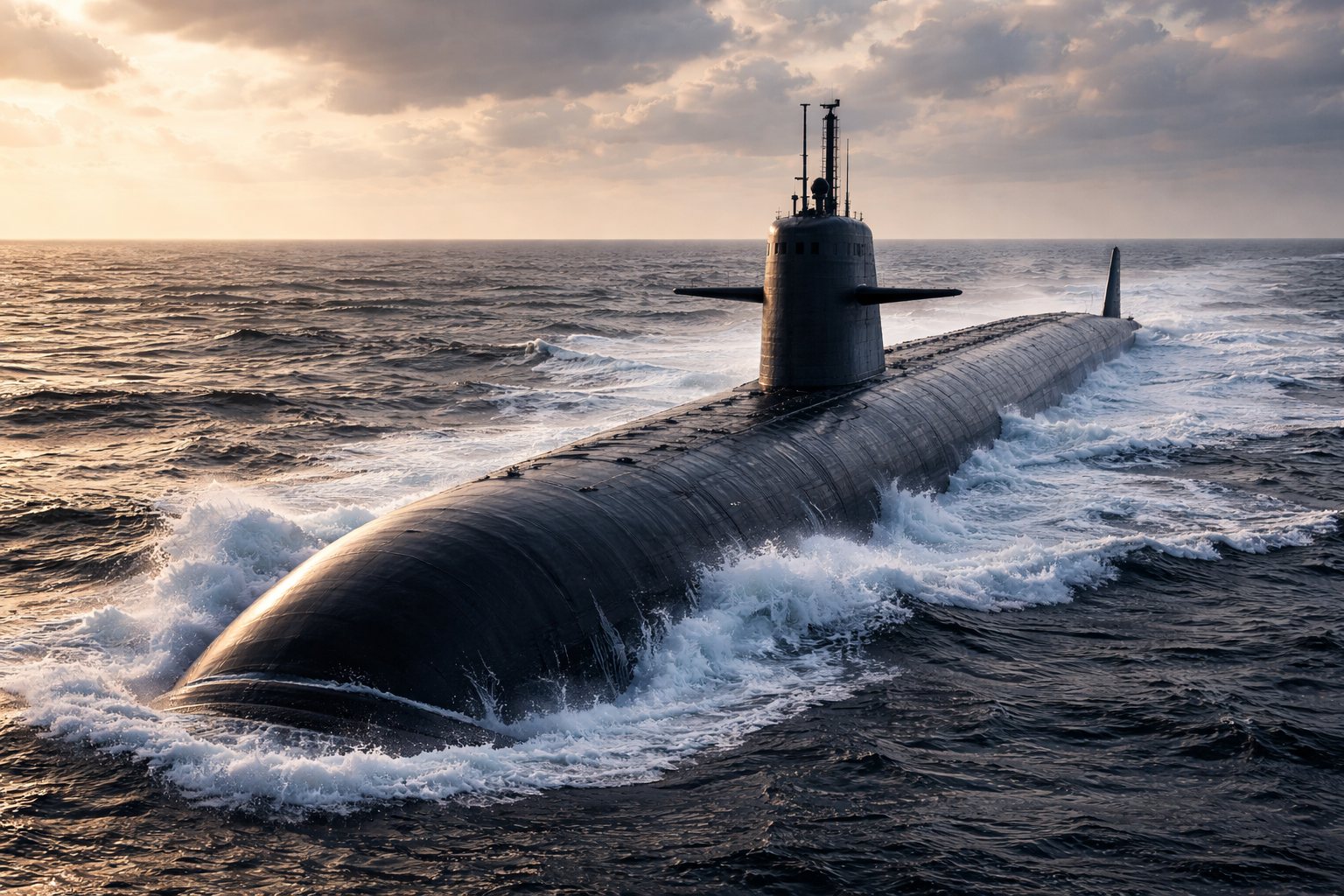
Lockheed Martin Australia has signed a two-year AUD$26.5 million contract with the Australian Submarine Agency to establish sovereign combat systems integration capability for Australia’s future Virginia-class nuclear-powered submarines.
The agreement converts the preferred-partner decision announced in May into funded engineering work. It will support development of the workforce, technical skills, infrastructure, training, technology-transfer processes, and industrial relationships needed to maintain and upgrade the combat systems aboard submarines Australia plans to acquire under AUKUS.
More than 20 new combat systems integration engineering positions are expected to support the initial phase in Western Australia. Lockheed Martin says those roles will add to an Australian workforce of more than 470 people working across maritime combat systems and integrated air and missile defence.
US-based Virginia-class submarine specialists will initially work alongside Australian engineers to accelerate knowledge transfer. The intention is to build an organisation capable of carrying out meaningful integration and sustainment work locally rather than relying on a permanently imported engineering team.
The contract follows Australia’s May selection of Lockheed Martin as its preferred Virginia-class combat system integration partner. At that point, the Australian Submarine Agency said the programme would require domestic capability to implement and test combat-system improvements and support maintenance and repair once the submarines enter Australian service.
Combat systems integration is one of the most technically sensitive parts of a submarine enterprise. Sonar and other sensors, tactical processing, navigation, communications, weapons control, operator consoles, cybersecurity, software baselines, and test equipment have to operate as a controlled system rather than as separate pieces of installed hardware.
The work also continues throughout a submarine’s service life. Hardware becomes obsolete, software is updated, threat libraries change, weapons evolve, and communications standards are revised. Each modification has to be introduced without compromising the safety, security, or operational performance of the wider combat system.
Building that capability in Australia therefore requires more than training engineers to use an existing US configuration. Secure facilities, representative integration laboratories, configuration-management processes, approved technical data, specialist test equipment, cybersecurity controls, and access to design authorities all have to be established around the workforce.
The contract includes an analysis of Australian supply-chain requirements for Virginia-class combat-system integration. Lockheed Martin and the agency intend to identify existing and potential suppliers that could contribute locally and, where possible, enter the wider Virginia-class industrial base.
Qualification will be demanding. Submarine suppliers face stringent requirements around quality assurance, traceability, security, cybersecurity, export controls, documentation, and long-term product support. A company capable of supplying conventional defence programmes cannot assume that the same processes are sufficient for work associated with a nuclear-powered submarine enterprise.
Western Australia provides the natural starting point because HMAS Stirling will become central to Australia’s future nuclear-powered submarine operations. Submarine Rotational Force-West is intended to give Australia experience supporting visiting US and UK boats before the Royal Australian Navy begins operating its own Virginia-class submarines in the early 2030s.
Locating combat systems expertise close to future operational and sustainment activity reduces the risk of creating an engineering organisation detached from the boats it is supposed to support. It also gives Australian personnel access to real maintenance, update, and configuration activity before ownership of the first submarine transfers.
Sovereign capability should not be confused with complete technical independence. Virginia-class submarines will remain tied to US design authorities, classified data, software baselines, export controls, and established programme governance. Australia’s objective is to gain enough engineering depth to perform integration, test, maintenance, and upgrade work inside that framework rather than treating the combat system as an inaccessible imported package.
The difference becomes important once operational modifications begin. An Australian organisation able to understand interfaces, run representative tests, manage configuration data, and assess changes can participate directly in decisions about fleet availability and capability instead of sending every technical problem back through an overseas support chain.
The AUD$26.5 million agreement is small beside the overall cost of the submarine programme, but combat-system sovereignty is built through accumulated engineering practice rather than a single major infrastructure purchase. The immediate measures will be recruitment, US-to-Australia knowledge transfer, establishment of the integration environment, and qualification of local suppliers.
Those milestones will show whether the May partner selection is developing into a functioning Australian engineering organisation. By the time Virginia-class submarines are operating routinely from Western Australia, combat systems support will need to be an established industrial capability rather than another programme still preparing to start.