IN Brief:
- C-TEK packages Cellebrite digital-forensics software, ruggedised hardware, and power into a portable field system.
- The kit is designed to examine phones, computers, SIM cards, drones, GPS devices, and removable media in disconnected environments.
- Cellebrite is developing further portable analytics, on-premises AI, and drone-forensics tools around the same field-intelligence model.
Cellebrite has launched a portable digital-forensics kit designed to give military teams device-extraction and analysis capability away from established laboratory infrastructure. The Tactical Extraction Kit, or C-TEK, combines ruggedised hardware, software, and independent power in a standard-size backpack for forward-deployed personnel working in disconnected environments.
The system is intended to examine digital devices at or close to the point where they are recovered rather than sending every item back through a conventional forensic laboratory. Cellebrite lists supported equipment including mobile phones, computers, SIM cards, drones, GPS devices, SD cards, USB drives, and other removable media, placing the product across several categories of electronics likely to be encountered during military or intelligence operations.
C-TEK is built around Cellebrite’s existing digital-investigation software rather than a new extraction architecture created specifically for the backpack. The engineering work instead lies in packaging the capability for field use, where mains power, network access, workspace, environmental control, and specialist technical support cannot be assumed. Processing equipment, storage, device interfaces, power, and physical protection consequently become part of the forensic system rather than infrastructure sitting around it.
That changes the practical requirements placed on the equipment. A laboratory can use fixed workstations, large displays, permanent storage, controlled networking, and readily available replacement hardware. A forward-deployed system has to balance those functions against portability and power consumption while remaining sufficiently rugged to be transported repeatedly. The resulting product has to be small enough for a team to carry without stripping out so much computing or storage capacity that meaningful analysis becomes impractical.
The company is positioning the kit around sensitive site exploitation, where the value of recovered digital information can decline before a device reaches a central laboratory. Phones and computers can contain communications, location information, files, contact data, and other records, while drones and removable media introduce different data structures and interfaces. Bringing initial extraction and triage closer to the recovery point can shorten that chain, although the product does not remove the need for more detailed examination where a device requires specialist handling.
“Battlefield intelligence has an expiration date measured in minutes, not months,” said Marcus Jewell, chief revenue officer at Cellebrite. The company is using that argument to move capability beyond dedicated forensic analysts and towards wider deployed teams, although faster access still has to sit within whatever legal, evidential, security, and operational controls apply to the organisation using the equipment.
Data handling is therefore as relevant to the system as extraction speed. A field kit may encounter several devices within one operation, leaving operators to manage storage capacity, access permissions, case separation, audit records, and the movement of extracted data to other intelligence systems. Disconnected operation can protect against reliance on unavailable networks, but it also places more responsibility on local storage and processing until information can be transferred securely.
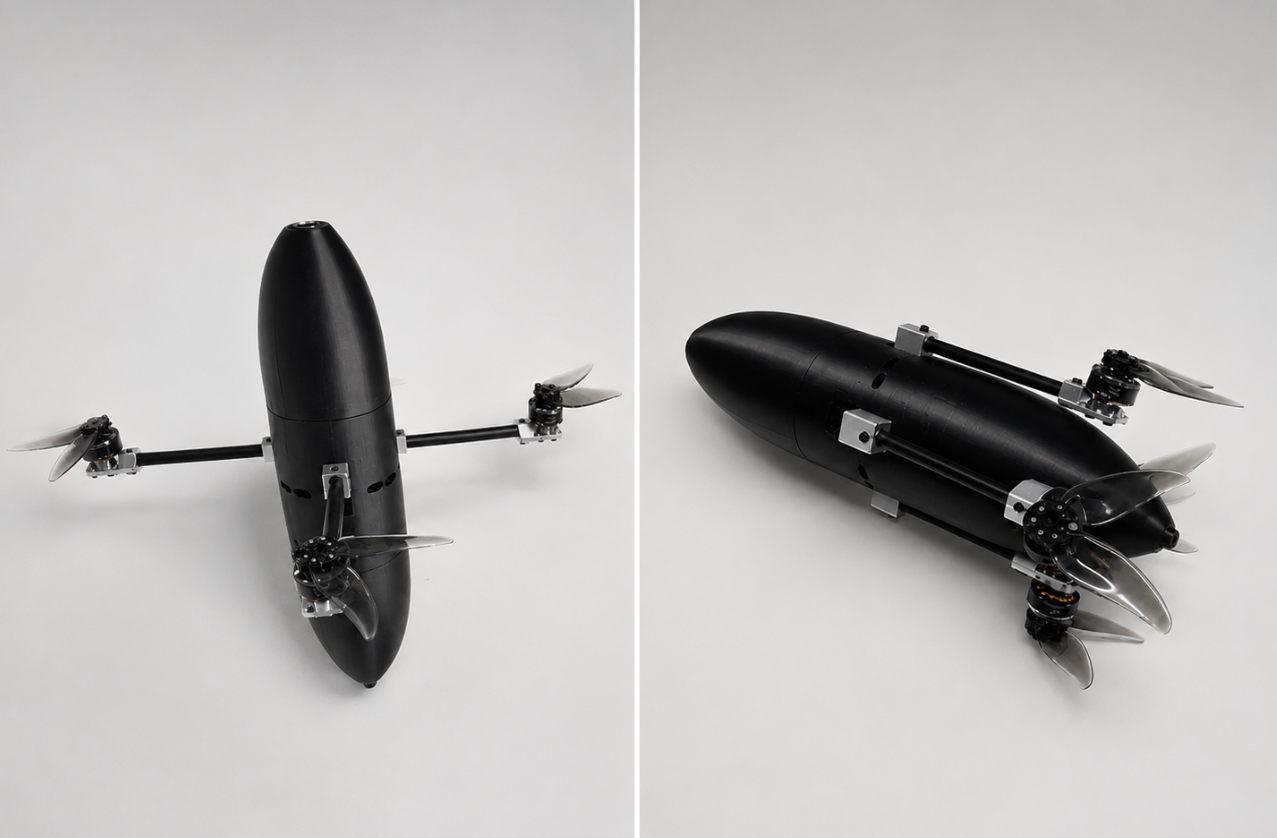
Drone forensics creates a further technical branch. Small uncrewed aircraft can carry flight logs, navigation records, imagery, removable storage, onboard computers, and communications hardware that differ from the architecture of a conventional smartphone. Cellebrite already identifies drones among the device categories supported by C-TEK and says an upgraded CFID V4 capability for drone forensics forms part of its future field-intelligence development programme.
The company is also working on a portable version of its Pathfinder analytics platform and an on-premises artificial-intelligence capability, alongside another mobile package intended to allow small teams to establish temporary digital-forensics operations without permanent local infrastructure. Those products remain future developments rather than features announced as part of the initial C-TEK configuration, but they show Cellebrite extending the same deployment model from extraction towards analysis.
Keeping processing on premises or at the edge also affects computing requirements. AI-assisted analysis and larger datasets increase demand for processors, memory, storage, and electrical power, all of which compete with weight and battery endurance in a portable system. A product intended to operate without continuous external connectivity has fewer opportunities to shift heavy processing into a remote data centre, making hardware selection and power management important if Cellebrite adds more analytical functions to later field systems.
Training presents another constraint. Cellebrite says C-TEK is intended to spread extraction capability across military teams rather than requiring every captured device to be handled immediately by one specialist analyst. That can reduce delays, but wider distribution means workflows and interfaces have to be sufficiently controlled for operators with different levels of forensic experience. Automation can simplify routine tasks, although equipment still has to distinguish between what can be handled in the field and what should be escalated to specialist examination.
Cellebrite already supplies digital-investigation technology across law-enforcement, defence, intelligence, and commercial organisations, with the company reporting more than 7,000 organisations using its wider software portfolio. C-TEK takes that existing software base into a more physically constrained operating environment and makes portability, local power, ruggedisation, and disconnected use explicit product requirements.
No military customer, contract value, production quantity, or deployment programme has been disclosed with the launch, so C-TEK remains a newly released commercial product rather than an awarded defence procurement. Its next useful milestones will be customer adoption, field evaluation, and evidence that teams can operate the system repeatedly without sacrificing the control and reliability expected from fixed forensic infrastructure. The product’s significance rests less on putting a computer in a backpack than on whether laboratory-grade workflows can be made dependable when the laboratory is no longer there.