IN Brief:
- FMV has signed an approximately SEK47 billion contract with Naval Group for four FDI frigates, training systems, spares, and associated materiel.
- The Swedish configuration includes Aster 30, CAMM-ER, RBS15, Torpedo 47, Giraffe 1X, 57mm and 40mm guns, and Trackfire.
- HMS Luleå is scheduled for 2030, followed by HMS Norrköping in 2032, HMS Trelleborg in 2033, and HMS Halmstad in 2034.
Naval Group has signed an approximately SEK47 billion contract with Sweden’s Defence Materiel Administration, FMV, for four FDI frigates, converting the government’s May selection into a defined shipbuilding and integration programme with deliveries scheduled from 2030 to 2034.
The contract covers the four warships alongside training systems, spare parts, and associated materiel. Sweden and France signed a wider defence-cooperation framework at the same time, while the frigate agreement allows production activity and training of Swedish Armed Forces personnel to begin.
The delivery sequence is unusually specific for a programme at contract signature. HMS Luleå is scheduled for 2030, HMS Norrköping for 2032, HMS Trelleborg for 2033, and HMS Halmstad for 2034. Maintaining that timetable is one of the principal reasons Sweden selected a frigate design that is already moving through serial production for other customers.
National systems reshape a mature frigate
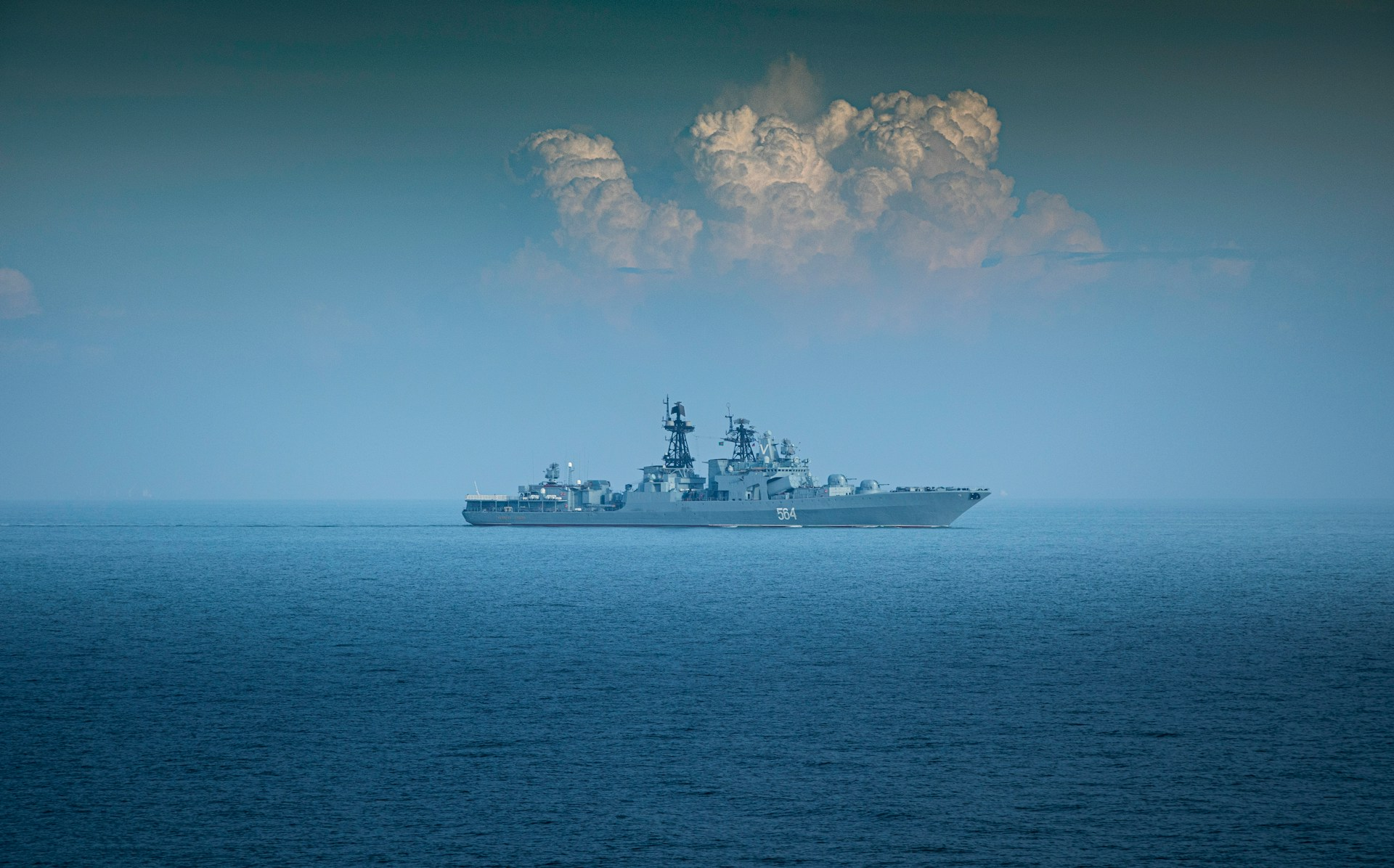
The Swedish vessels will not simply duplicate the French configuration. FMV says they will combine Aster 30 and CAMM-ER air-defence missiles with several Swedish systems, including RBS15 anti-ship missiles, Torpedo 47, Saab Giraffe 1X radar, 57mm and 40mm guns, and Trackfire remote weapon stations.
Air defence and anti-submarine warfare are the two capabilities FMV identifies as central to the new class. Sweden’s government says the acquisition will triple the Navy’s air-defence capability compared with its current position, adding a much larger area-defence function to a fleet historically centred on smaller combatants suited to Baltic operations.
Naval Group will act as prime system integrator and is responsible for delivering ships ready to enter service. That puts integration of the Swedish equipment inside the shipbuilding programme rather than leaving FMV and the Navy to fit a substantial national package after delivery.
Using a mature platform can shorten development time, but national integration still creates a sizeable engineering workload. Each radar, weapon, launcher, communications system, and remote weapon station brings mechanical, power, cooling, software, electromagnetic-compatibility, and certification requirements. Combat-system interfaces then have to move track data, identification information, weapon status, and firing commands reliably between equipment from several suppliers.
The Swedish configuration consequently has to be controlled without losing the schedule advantages of serial manufacture. Design changes introduced too late can interrupt production sequencing, force rework, or create differences between ships that become expensive to support later. Freezing interfaces early enough for production while retaining room for nationally required systems will be one of the programme’s main technical disciplines.
Serial production provides schedule leverage
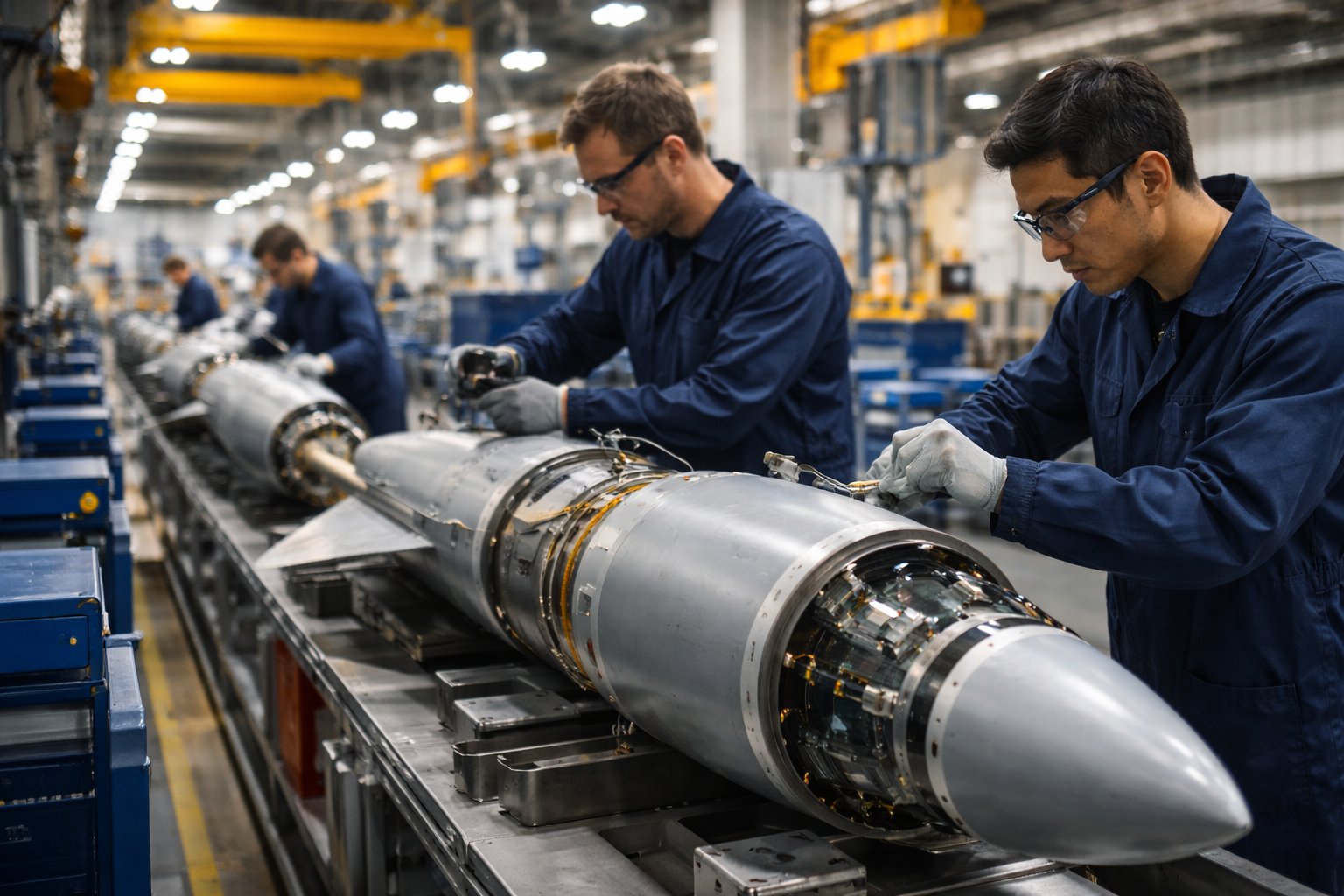
Naval Group already has FDI ships in production and service for France and Greece, giving Sweden access to an established design and industrial base. The company argues that this serial-production environment reduces delivery risk compared with launching an entirely new frigate class.
That advantage is material because the first Swedish ship is due only four years after contract signature. Major surface combatants have long equipment lead times, and combat systems, propulsion equipment, electrical plant, sensors, weapons, and specialist materials have to reach the yard in a sequence that matches construction.
Existing supplier relationships and completed design work can reduce some of that uncertainty, but Sweden’s specific equipment still needs to be incorporated into the production baseline. The real schedule test will come as national design work moves through integration, manufacture, harbour testing, and sea trials on HMS Luleå.
The four-ship sequence provides an opportunity to transfer lessons from the lead vessel into later builds. Integration problems discovered on Luleå can be corrected before corresponding work is completed on Norrköping, Trelleborg, and Halmstad, provided the change process is managed without creating four significantly different technical configurations.
Swedish industry will also participate in the programme. Naval Group says it plans a structured long-term relationship involving transfer of know-how and technology to Swedish partners, while the nationally specified weapons and sensors already guarantee a substantial domestic equipment contribution.
The precise industrial split has not yet been published in full. Swedish companies supply important parts of the combat fit, but the public contract information does not provide a complete breakdown of construction workshare, integration responsibility, maintenance activity, or future upgrade authority.
Those arrangements will become important during the ships’ service lives. A frigate acquired in the 2020s and delivered in the 2030s will require repeated software, sensor, communications, and weapon upgrades long after the original construction programme ends. Access to technical data and domestic support capability can therefore have a larger effect on lifetime availability than the initial construction workshare alone.
The SEK47 billion package already includes training systems and spares, allowing the support organisation to develop alongside the ships. That matters because crew training, maintainers, documentation, test equipment, and spare holdings need to be ready when the first vessel enters service rather than assembled after delivery.
The bilateral framework signed alongside the frigate agreement gives the programme a wider political and industrial setting, covering operational cooperation, defence materiel, and industrial development between Sweden and France. The ship contract nevertheless remains the practical measure of that relationship: four complex combatants have to be configured, produced, integrated, tested, and delivered against an ambitious sequence.
HMS Luleå is now the first hard deadline. If the programme reaches the 2030 delivery target while incorporating Sweden’s weapons and sensor package, the decision to buy into an existing production line will have delivered its intended schedule advantage. If national integration disrupts that cadence, the maturity of the underlying FDI design will offer rather less protection than the procurement strategy assumes.