IN Brief:
- Echodyne MESA radar has been integrated with KONGSBERG PROTECTOR RS4 and RS6 remote weapon stations.
- Precision range, range-rate, bearing, and kinematic data support optical cueing and the weapon-system firing solution.
- The companies have completed several years of integration and testing and are examining additional air and surface applications.
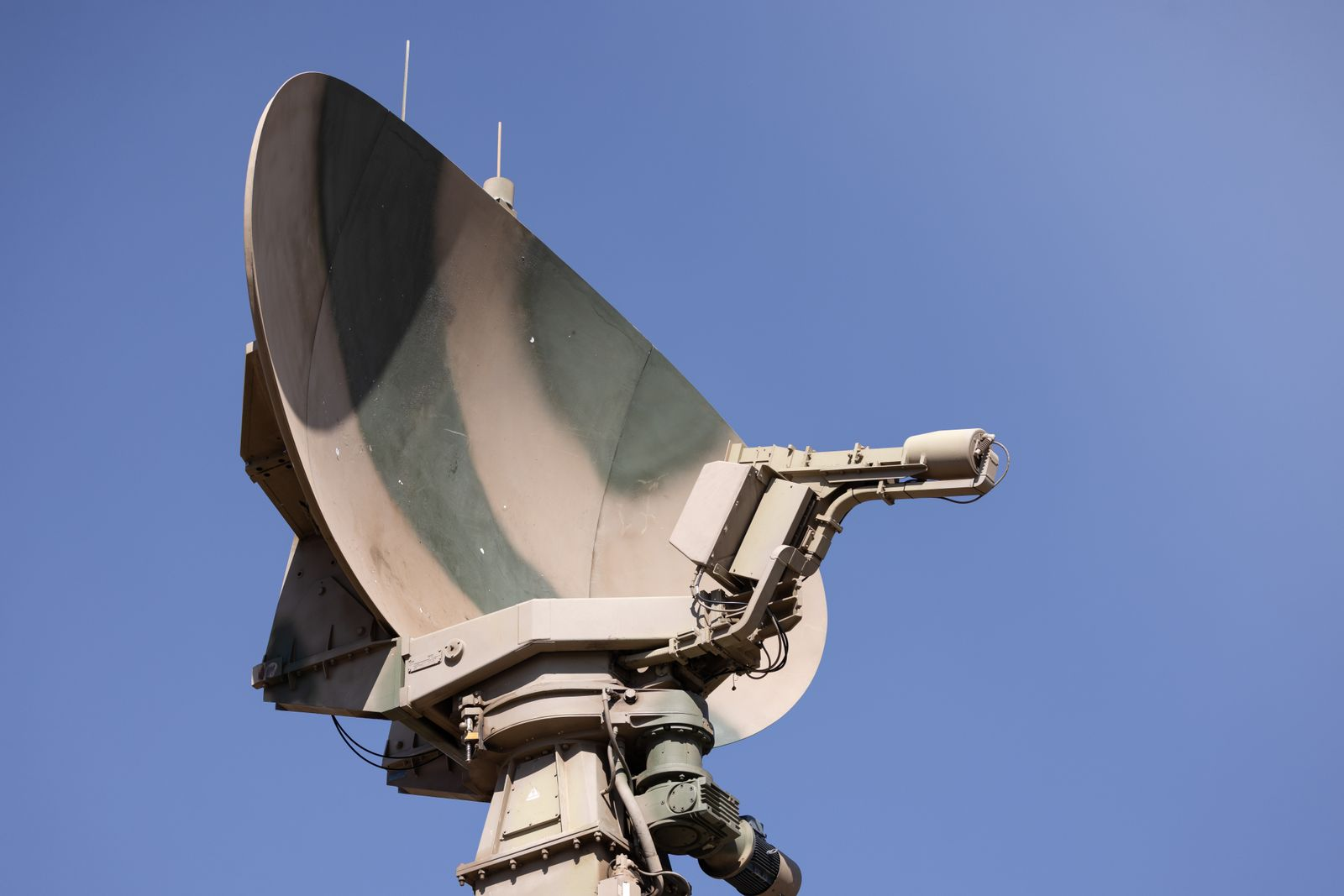
KONGSBERG has integrated Echodyne’s MESA radar technology with PROTECTOR RS4 and RS6 remote weapon stations, adding local precision tracking intended to shorten the chain between detecting a drone and generating a fire-control solution.
The selection combines KONGSBERG’s remote weapon-station architecture and Collaborative Fire Control capabilities with Echodyne’s compact solid-state radar. MESA supplies range, range-rate, bearing, and kinematic data that can be passed into the weapon station’s optical and fire-control systems.
For counter-UAS work, the quality of that track is more important than simply confirming that an object is present. Small drones can manoeuvre rapidly, present a limited radar cross-section, and spend little time inside an individual weapon’s engagement envelope. The fire-control system therefore needs frequent, stable measurements if it is to maintain target lock while calculating when and where to engage.
MESA is intended to provide those measurements close to the effector. A wider surveillance radar or another networked sensor can first identify the threat and pass a track to the weapon station; the local Echodyne radar can then refine and sustain it during the final engagement sequence. The arrangement separates wide-area search from the higher-precision tracking needed immediately before weapon release.
That search-cue-track-engage model also supports distributed air defence. Several weapon stations can share information from a broader sensor network while maintaining their own engagement-quality tracks once targets are assigned. A local sensor reduces the requirement for one central radar to provide every update through the final seconds of an engagement.
Accurate range and range-rate measurements become more important when programmable airburst ammunition is used. The round has to function at a controlled point relative to the target rather than relying only on direct impact, so errors in the target solution can shift the munition’s effect away from the intended position. Echodyne’s role is to improve the measurement available to the existing weapon-station fire-control chain rather than replacing the optical sight or weapon controller.
The physical radar package has also been selected with integration constraints in mind. Echodyne describes MESA as a low-size, weight, and power solid-state design, allowing it to be fitted to platforms where a conventional high-performance electronically scanned array could impose excessive electrical, cooling, or payload demands. Those limits are relevant across static mounts, crewed vehicles, and uncrewed platforms identified by the companies as potential applications.
PROTECTOR already provides a mature host architecture. The RS4 is used across a wide range of vehicle installations, while the RS6 supports heavier weapons and mission configurations. Adding a radar to an established weapon station potentially gives existing customers another counter-UAS route without replacing the complete effector, although any retrofit would still depend on individual vehicle configuration and customer qualification.
The current announcement follows several years of joint integration, field testing, and demonstration. That work separates the programme from a simple agreement to connect two catalogue products. Radar and fire control have to align coordinate systems, timing, sensor calibration, software interfaces, and target handover before the weapon station can use the data consistently.
Environmental and platform effects also have to be managed. A radar attached to a vehicle or remote weapon station operates alongside radios, electro-optical systems, weapons, engines, and other electronics that can affect installation performance. Mechanical alignment has to remain stable as the station moves, while software must compensate for the host platform’s own motion before target measurements are passed into the firing solution.
Network integration introduces another layer. A PROTECTOR station may receive an initial threat track from a cooperative search radar, but the handover has to preserve target identity as the local MESA radar acquires and refines the contact. Poor correlation can waste engagement time or cause two stations to pursue the same target unnecessarily, particularly where several small aircraft arrive together.
KONGSBERG and Echodyne are examining further applications across air and surface missions, suggesting that the PROTECTOR configuration is an early use of a broader sensor partnership. A compact precision radar can support more than counter-drone work if the same tracking architecture can be adapted to different platforms, effectors, or surveillance tasks.
The immediate programme remains centred on RS4 and RS6. Its industrial advantage lies in adding a specialised sensing layer to weapon stations that already have an established production and support base, rather than creating a separate counter-UAS effector around a new radar. That reduces one part of the integration problem, but performance will still depend on how reliably the local sensor, wider surveillance network, fire-control software, and ammunition operate as one engagement chain.
Years of integration work suggest the partners have already dealt with more than a demonstration-level interface. The next test is deployment at fleet scale: whether the radar-enabled configuration can be produced, qualified, supported, and upgraded across different PROTECTOR users without turning each installation into another bespoke engineering programme.