IN Brief:
- The US Navy's HII FF(X) Flight I design has passed critical design review and moved into pre-production activity.
- Ingalls already holds a $283 million contract covering long-lead material, design work, and construction preparation.
- The domestic programme is advancing while the Navy separately evaluates foreign small combatant designs under a 90-day review.
The US Navy’s FF(X) Flight I frigate has passed its critical design review, moving the HII-led programme further into pre-production while the service separately evaluates foreign frigate designs. Rear Admiral Casey Moton, head of the Navy’s shipbuilding acquisition portfolio, confirmed the previously undisclosed engineering milestone during the American Society of Naval Engineers Fleet Maintenance and Modernization Symposium.
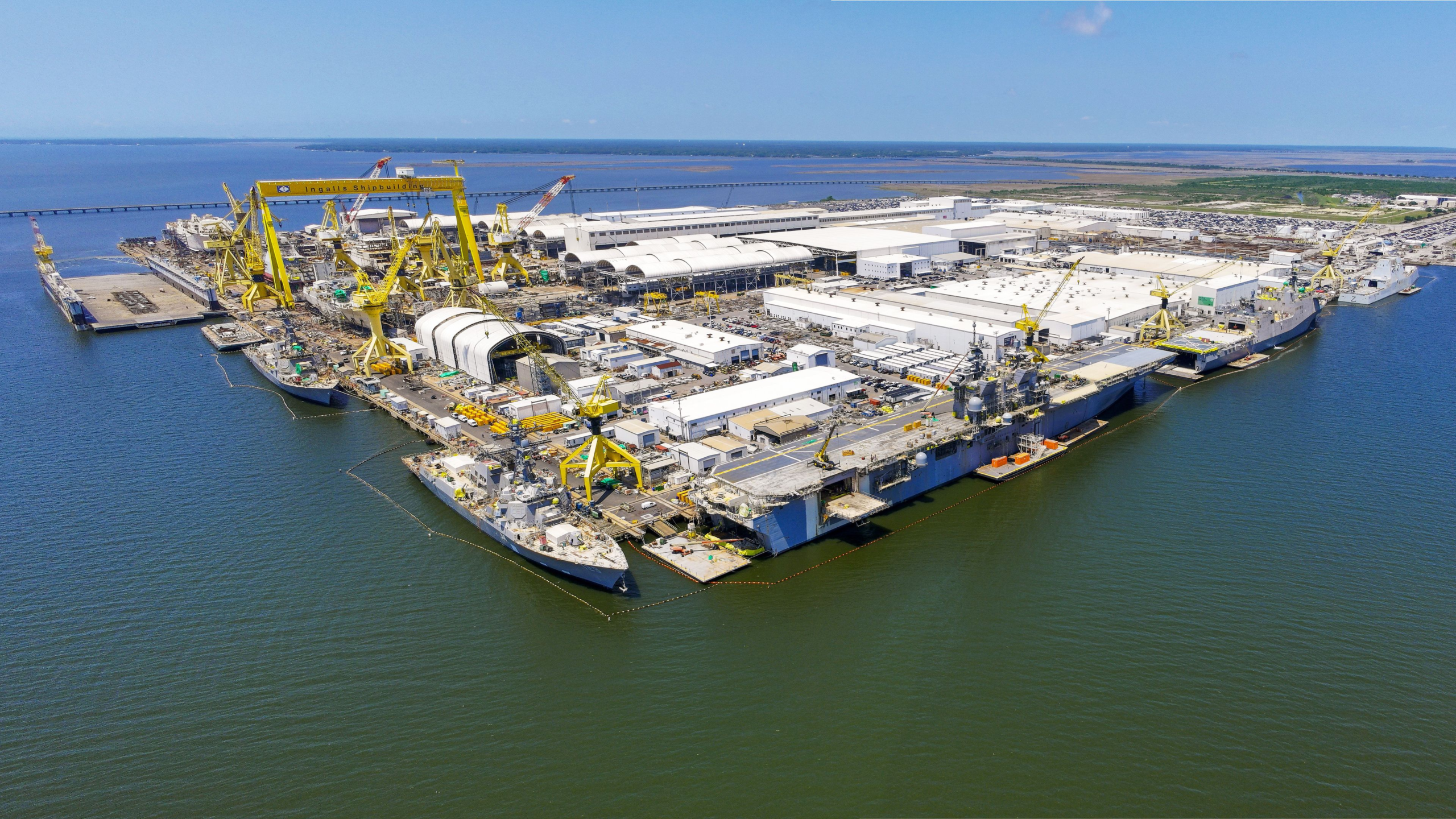
The review is intended to establish that the design is mature enough for production preparation without carrying unresolved engineering work deep into construction. Moton said the Navy is now working with HII Ingalls Shipbuilding on pre-production activity. The yard already holds a $283 million lead-yard support contract covering long-lead material, design work, and preparation for the first ship.
HII said in April that the contract allowed Ingalls to procure long-lead material, continue design work, and begin pre-construction activity. The company is using its Legend-class National Security Cutter experience as the starting point for the new frigate, rather than developing a clean-sheet hull around an entirely new production sequence.
The Navy selected the National Security Cutter lineage as the basis for FF(X) following the cancellation of the Constellation-class programme. Reusing an established hull and construction history is intended to reduce design change and give the yard a more stable production baseline, although combat system integration, survivability, Navy standards, and mission equipment still require substantial engineering work.
Critical design review is an important point in that process because ship design is highly interdependent. Hull structure, weight, stability, propulsion, electrical generation, cooling, sensors, weapons, communications, accommodation, maintenance access, and survivability all compete for space and margin. A late change to one system can drive structural modifications, new cable routes, altered cooling demand, or weight growth elsewhere in the vessel.
Production readiness therefore depends on more than completing drawings. Long-lead equipment has to be ordered against a stable configuration, suppliers need specifications early enough to reserve capacity, and the yard must plan work packages in the sequence required for modules and assemblies to move through fabrication. Design churn after those commitments can generate rework, stored material, late substitutions, and schedule disruption.
Ingalls is preparing the frigate while continuing work across several other Navy ship classes at Pascagoula. HII is building DDG 51 Flight III destroyers and amphibious ships while supporting other naval programmes, placing additional demands on engineering staff, skilled trades, suppliers, facilities, and waterfront capacity. The company says it has invested more than $1 billion in yard infrastructure and tooling.
The domestic FF(X) programme is also proceeding alongside a separate Navy review of foreign small surface combatant designs. Moton said the service is examining alternatives as part of a mandated 90-day study, with Japanese, South Korean, and Turkish designs among those reported to be under consideration. Navy officials have not publicly determined whether a foreign-derived ship would replace, complement, or operate alongside the HII design.
The FY2027 budget request already placed FF(X) within a wider effort to rebuild the Navy’s surface combatant pipeline, including spending intended to support industrial capacity. That gives the current engineering milestone a direct production context: the Navy is advancing material and yard preparation for Flight I while still considering how the wider small combatant fleet should be structured.
The Legend-class lineage should allow Ingalls to reuse parts of an established build strategy, but the value of that inheritance will ultimately be measured by the amount of new work it avoids once construction begins. Navy-specific systems still need to integrate without undermining weight margins, production flow, or maintenance access.
Passing critical design review does not settle the foreign-design study or remove programme risk. It does establish that the HII Flight I baseline has crossed a formal engineering gate and that material and production preparation are moving ahead around it. Steel fabrication and subsequent construction performance will show whether the programme can preserve that design stability as the first ship moves through the yard.