IN Brief:
- The 16 October government-to-government agreement covers five MH-60R helicopters, equipment, weapons and spares, with deliveries beginning in 2030.
- New Zealand's NZ$1.648 billion capital allocation and NZ$110 million average annual operating funding are programme figures, not a disclosed helicopter contract price.
- Permanent infrastructure, further training systems and complementary uncrewed aircraft are subject to subsequent investment decisions.
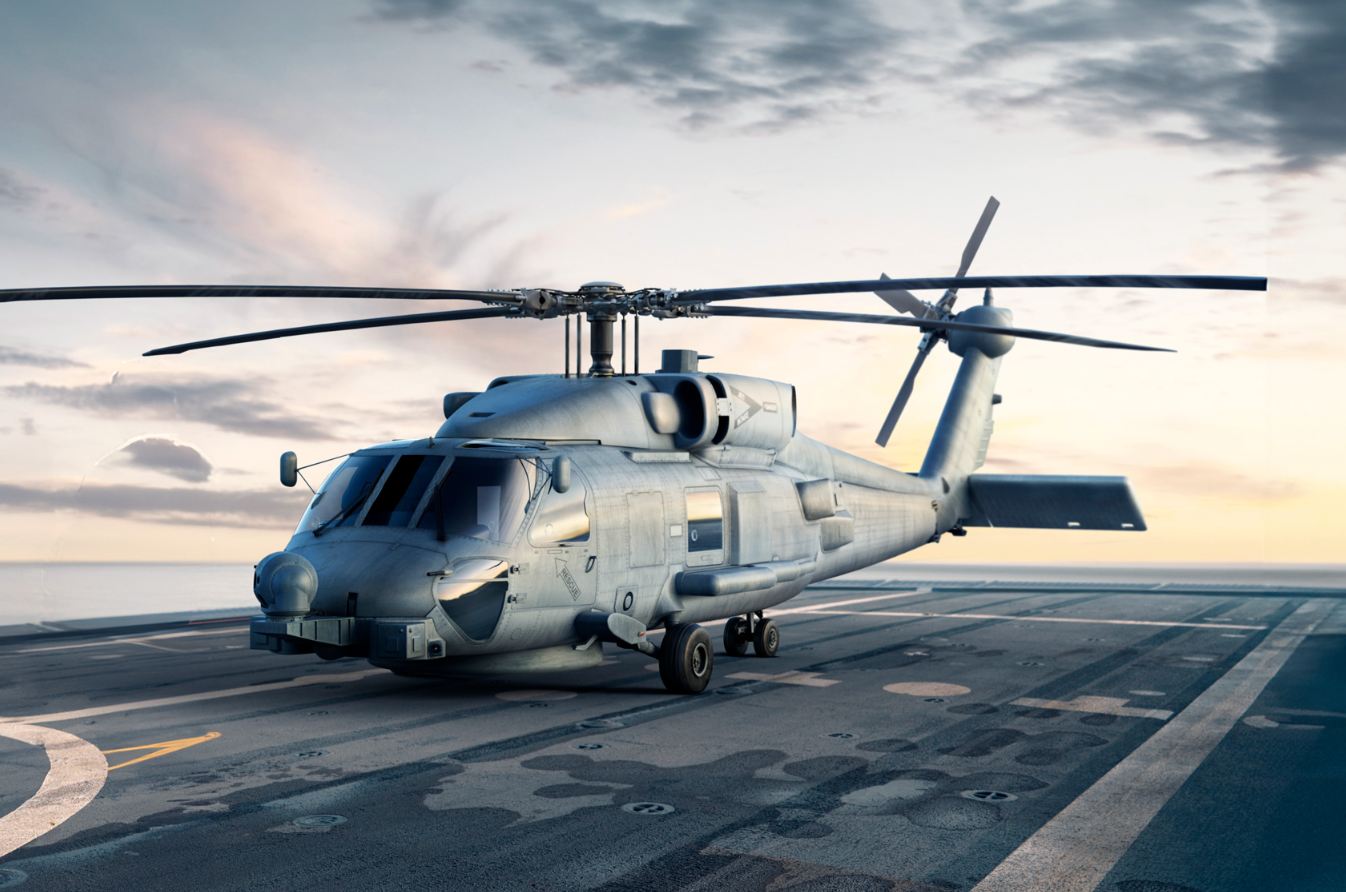
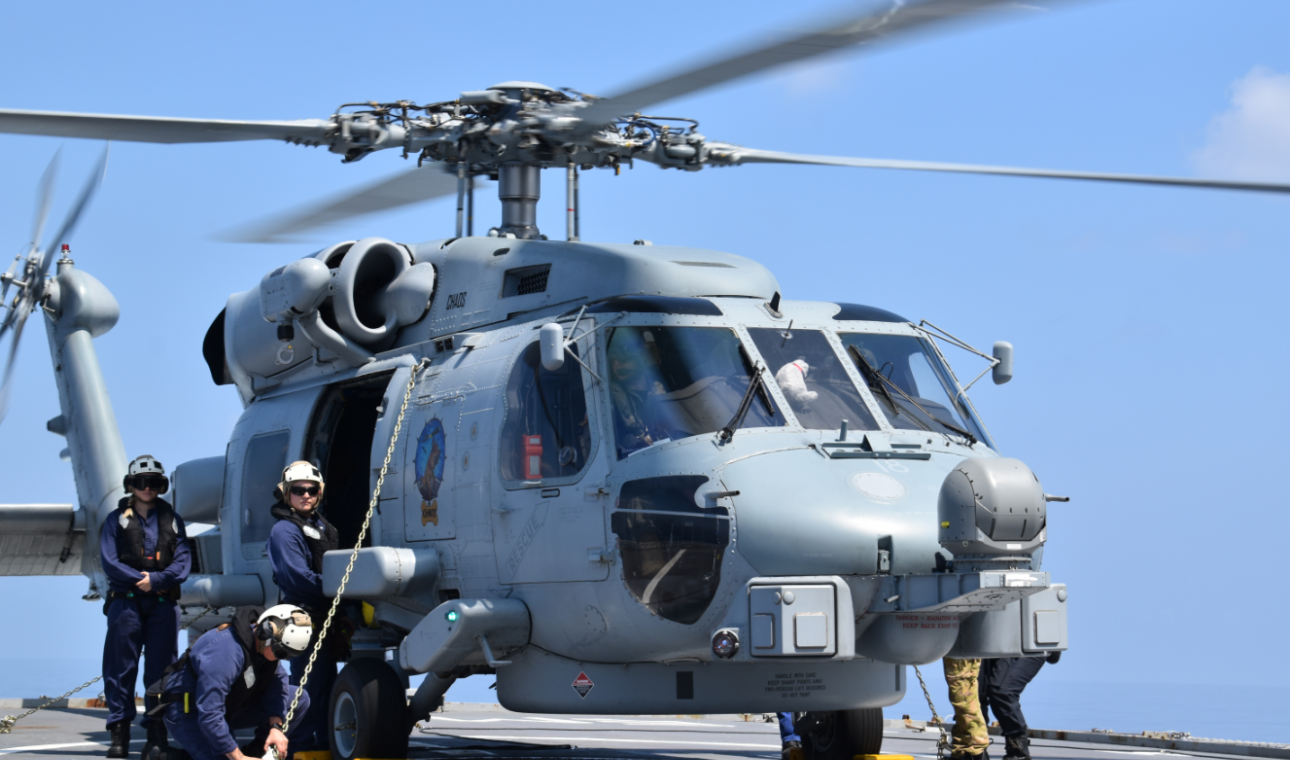
New Zealand has signed an agreement with the United States Government to purchase five MH-60R Seahawk maritime helicopters, moving its naval aviation replacement programme beyond platform selection and negotiation. The aircraft, manufactured by Sikorsky, a Lockheed Martin company, are due to begin arriving in 2030. The October agreement covers helicopters, associated mission systems, weapons, spares and equipment; it is not an agreement to complete every infrastructure and training element of the wider programme.
New Zealand’s Ministry of Defence identifies NZ$1.648 billion in capital investment for the programme, alongside NZ$110 million in average annual operating funding over ten years. Those are project funding figures, not a separately disclosed price for the signed helicopter purchase. Funding has also been set aside for permanent infrastructure design and temporary accommodation at RNZAF Base Auckland in Whenuapai, but future decisions are expected for permanent infrastructure, training systems and complementary uncrewed aircraft. The distinction leaves the aircraft acquisition agreed while later programme expenditure remains subject to its own approvals.
The procurement has passed several separate stages. The government chose the MH-60R as its preferred replacement for the Kaman SH-2G(I) Seasprite in August 2025, when it opened negotiations through the US Foreign Military Sales process. The United States approved a possible export in June 2026, enabling a proposed sale but neither signing the purchase agreement nor establishing delivery of the helicopters. The 16 October agreement is the confirmed bilateral purchase milestone; aircraft manufacture, acceptance and entry into service still lie ahead.
The MH-60R combines a shipborne helicopter with an integrated mission suite for anti-submarine and anti-surface warfare. An airborne low-frequency dipping sonar can be lowered beneath the sea surface to listen for contacts, while sonobuoys provide additional acoustic measurements at distributed positions. Radar, electro-optical sensors and tactical communications contribute to surveillance of targets above the water. Processing these inputs together is essential because detecting a possible contact and establishing a sufficiently reliable track are different tasks in maritime operations.
The US sale notification listed five airborne low-frequency sonar systems and five digital magnetic anomaly detection systems among the requested equipment. Magnetic anomaly detection senses small disturbances in the Earth’s magnetic field associated with large ferrous objects, supplementing rather than replacing acoustic detection. It is subject to operating conditions and does not provide the kind of wide-area surveillance associated with radar. The proposed communications fit also includes Link 16 terminals, giving the aircraft a route for exchanging tactical information with suitably equipped partner forces.
New Zealand identifies the Mk 54 lightweight torpedo, Hellfire air-to-surface missile, Advanced Precision Kill Weapon System and crew-served guns as weapons relevant to the helicopter. Anti-submarine capability depends on more than carriage of a torpedo: the aircraft must locate, classify and track a contact before an engagement can be considered. Surface missions place different demands on identification, targeting and coordination with the ship. The ministry also expects the helicopters to undertake search and rescue, personnel transport and support to maritime counter-terrorism operations.
The new type will replace an ageing Seasprite fleet operated from the Royal New Zealand Navy’s frigates. The government’s published MH-60R specifications give a maximum speed of 333km/h, a range of 963km and a three-person crew. These published aircraft figures are not a guarantee of a particular combat radius, since ship distance, fuel reserves, payload, sensor use and time on station all affect the mission that can be flown. The aircraft’s planned reach nevertheless extends the area in which an embarked frigate can investigate contacts without manoeuvring immediately towards them.
Royal New Zealand Navy personnel will fly the aircraft, while Royal New Zealand Air Force personnel will maintain them. Conversion training, technical publications, spares, maintenance tooling and suitable facilities must therefore be introduced alongside the aircraft. Embarked operation also requires ship compatibility, including hangar dimensions, deck handling, aviation support systems and safe launch and recovery. The ministry’s programme is deliberately phased, and the signed October purchase should not be read as approval for all of the permanent infrastructure or additional training systems that may be needed.
Australia already operates the MH-60R, and common aircraft types offer scope for interoperability across crews, mission procedures, weapons and support arrangements. Commonality does not automatically eliminate differences in national configuration or procurement responsibilities, however. New Zealand’s equipment specification, maintenance arrangements and any subsequent software upgrades will still require their own approvals, integration work and training. Decisions about complementary vertical take-off uncrewed aircraft are also being held for a later tranche, rather than being included in the five-aircraft order.
Five aircraft are now covered by a signed government-to-government purchase, with initial deliveries due from 2030. Subsequent progress will be measurable through aircraft acceptance, base preparation and training readiness, followed by separate authorisations for remaining infrastructure and complementary systems. The capital allocation, June export permission and October purchase document three different stages of that process, rather than three descriptions of the same transaction.