IN Brief:
- Chess Dynamics introduced ChessPlus on 3 November as a structured through-life support framework for existing and new equipment, including the Hawkeye and SeaEagle ranges.
- The framework connects spares planning, repairs, field engineering, software control, in-service monitoring, and component obsolescence management with reliability information.
- Support packages are customer-specific; the company has not announced a universal service-level guarantee or a new procurement value for the programme.
Chess Dynamics has launched ChessPlus, a through-life support framework intended to coordinate maintenance, spares, repairs, technical services, and obsolescence planning for its defence equipment. The Cohort Group company introduced the offering on 3 November 2026, extending structured support arrangements across its Hawkeye and SeaEagle system families and products incorporating Vision4ce image-processing technology.
Under ChessPlus, maintenance and engineering services already supplied by Chess Dynamics can be assembled into a support arrangement matched to each customer’s installed systems and mission requirements. Planning begins with the components most likely to need repair, replacement or technical intervention over the equipment’s operating life. The launch identifies a new framework for coordinating those services, rather than a separately disclosed contract value or universal equipment-availability guarantee.
The systems concerned can remain in service for many years, during which manufacturers may revise components, electronic parts become harder to source, and software or operational requirements change. Electro-optical surveillance and targeting equipment combines precision mechanical assemblies, sensors, processing electronics, communications interfaces, and control software. Keeping the overall system available requires support for those interacting elements, including the ability to diagnose faults without assuming that a replacement component will always be commercially obtainable.
Component obsolescence is among the recurring risks the framework seeks to manage. A system in long-term service may depend on a processor, sensor or mechanical item that is no longer manufactured in its original form. Identifying the change before the last spare is used gives engineering teams time to examine remaining stock, approved substitutes, repairs or redesigns. Alternative parts may still need evaluation against electrical interfaces, software behaviour, environmental limits and the original equipment configuration.
The same equipment records inform spares provision. Stock ordered without reference to failures, utilisation and operating demand can tie up funds in rarely used parts while leaving essential items unavailable. ChessPlus offers initial kitting and continued adjustment of parts holdings according to the supported configuration and expected mission profile. Reliable records of individual equipment revisions and their maintenance histories are needed to make those forecasts useful.
In-service monitoring adds an evidence base for adjusting those plans. Chess Dynamics proposes combining reliability, availability and maintainability records with outputs from Data Recording, Analysis, and Corrective Action System (DRACAS) processes. Trends in failures and corrective actions can inform inspections, repair capacity, spare stock and potential component changes. Conclusions still depend on the quality and consistency of information gathered from deployed systems.
Where a recurring fault is detected, the response may involve more than changing the affected component. Engineering teams may need to distinguish an equipment defect from an installation problem, environmental exposure, an incorrect maintenance procedure, or a software interaction. Linking field service personnel with design and production specialists gives the support organisation a route to examine the causes of a failure and decide whether an updated repair scheme or maintenance policy is required.
Software maintenance introduces a related configuration-control requirement. Updates to video processing or tracking functions must be assessed alongside the connected sensors, displays, communications equipment and other installed components. ChessPlus includes managed updates, engineering corrections, validated installation, controlled releases and documentation, helping customers retain a record of which software version belongs with each supported hardware configuration.
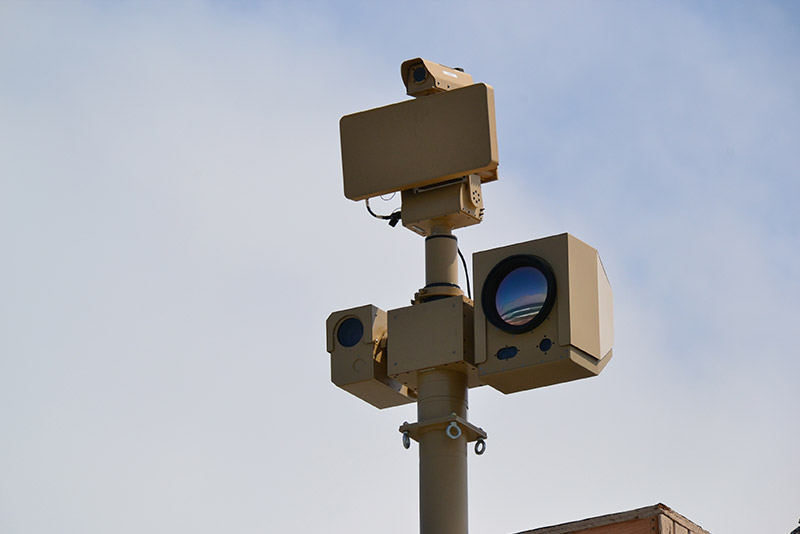
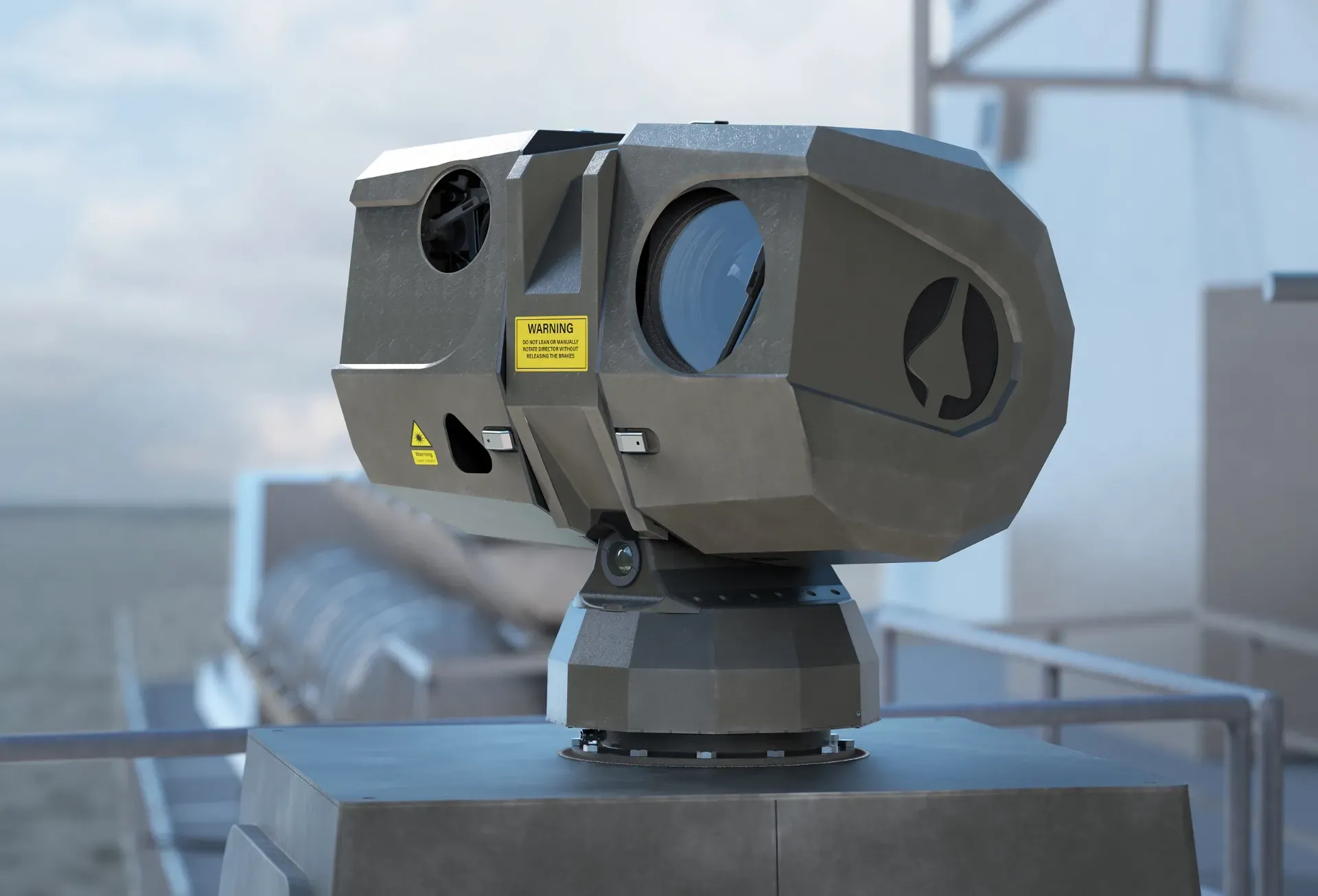
Hawkeye and SeaEagle illustrate the breadth of the support requirement. Chess Dynamics supplies stabilised electro-optical surveillance and fire-control technology for land and maritime applications, while Vision4ce processing supports video and image exploitation. A failure in one subsystem can affect the usefulness of an otherwise serviceable platform. Maintenance plans must consequently consider complete equipment configurations and the specialist work needed to return them to an approved operating condition.
Repairs, overhauls, remote technical advice, field engineering, training and documentation can also be combined within ChessPlus. The company describes the framework as modular, with a support package configured to the customer’s requirements instead of a fixed service bundle. New deliveries may need initial spares and maintainer training, while older systems can require more extensive refurbishment, parts substitution and reviews of future supportability.
Earlier engagement with a customer can make the timing of engineering work more predictable. If a component has a long replacement lead time, a planned retrofit can potentially be aligned with an existing maintenance period rather than require an unexpected withdrawal from use. That benefit depends on the customer’s willingness to share operational information and authorise work in advance, as well as the manufacturer’s capacity to source materials and complete the necessary technical assessment.
Chess Dynamics also continues to supply new equipment, including the separate SeaEagle fire-control order for Indonesian vessels announced in October. That contract covers naval hardware, whereas ChessPlus concerns the maintenance and engineering support available throughout the life of such systems. The new framework can therefore accompany both products entering service and systems that have been deployed for many years.
Implementation will depend on the customer’s equipment, existing maintenance arrangements, and the level of monitoring and engineering support required. ChessPlus brings together maintenance records, spare-part forecasting, corrective-action information, and specialist engineering resources in a support plan that can change as operating demands or component availability shift. The resulting work will be defined through individual customer arrangements rather than a single service configuration applied across the range.