IN Brief:
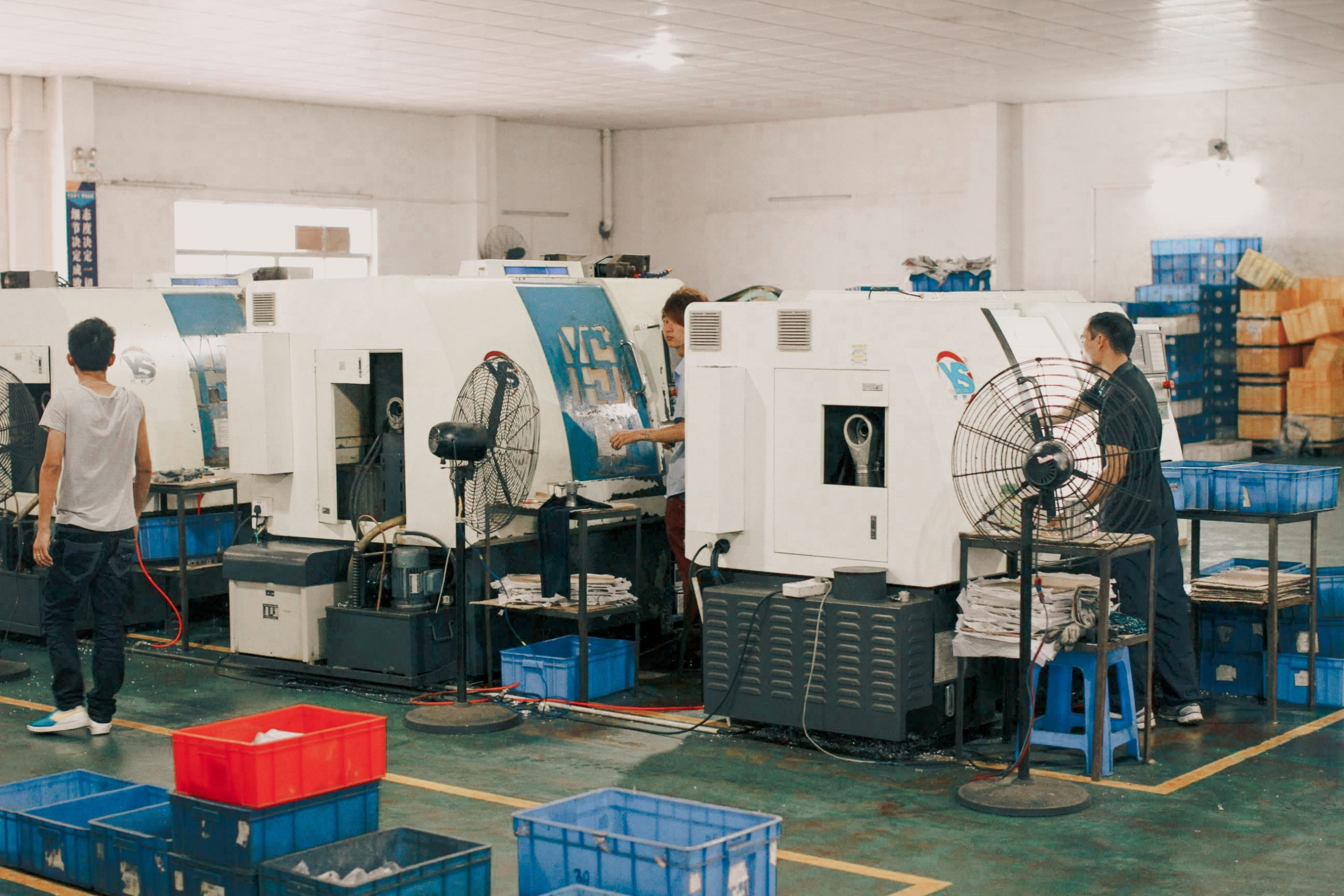
- Umbra is manufacturing the Freetail 5 spacecraft at its 50,000-square-foot facility in Goleta, California.
- The new spacecraft family extends the company's commercial radar imagery and space systems engineering portfolio.
- The first satellite is expected to be ready for launch during the first quarter of 2028.
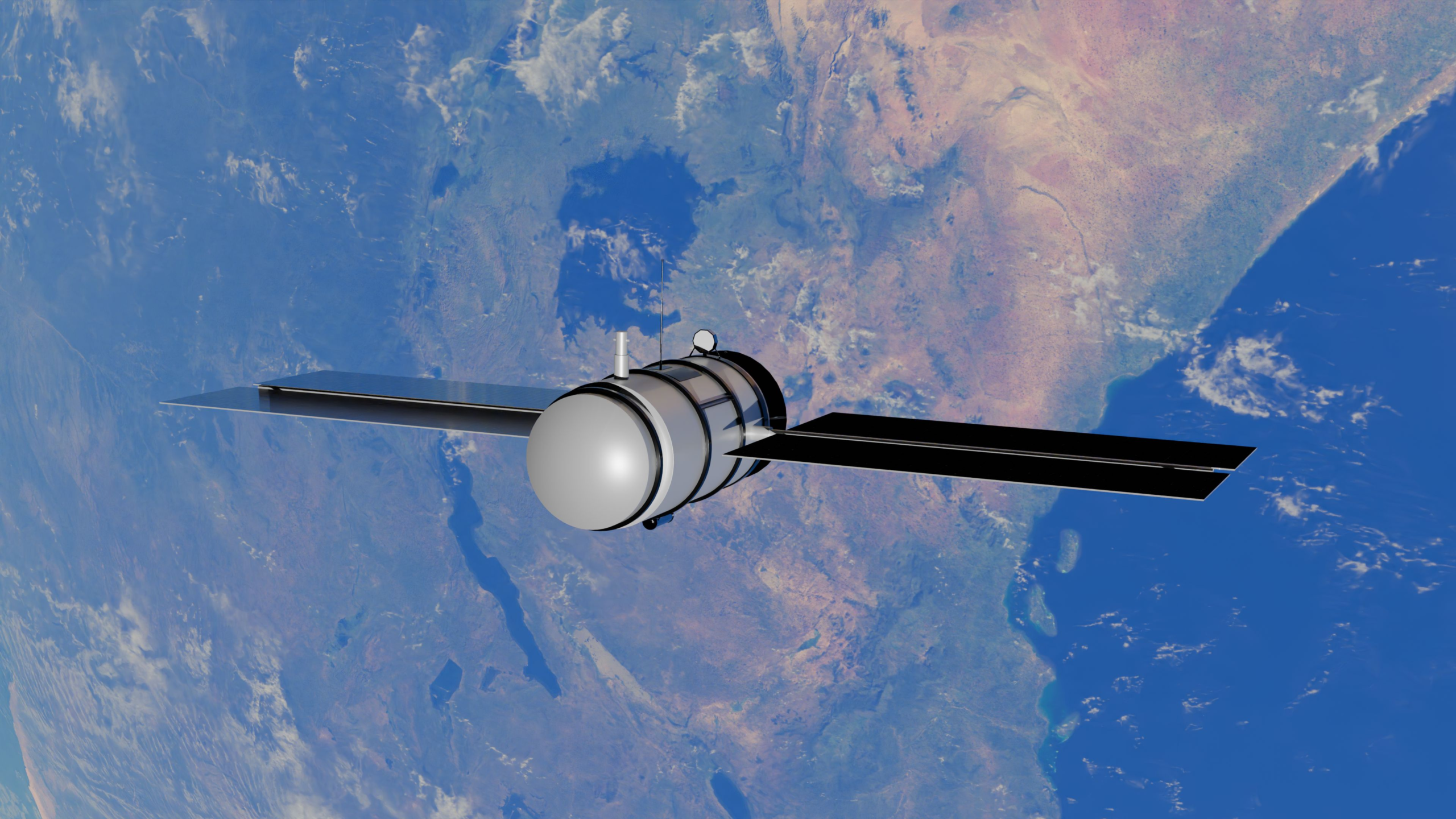
American space technology company Umbra has introduced Freetail, a family of satellites designed to support government, commercial, and scientific remote sensing applications. The first spacecraft, Freetail 5 (FT-05), is being manufactured at the company’s 50,000-square-foot facility in Goleta, California, with launch readiness anticipated during the first quarter of 2028.
Umbra expects commercial availability by the middle of that year, following completion of the spacecraft’s development, launch, and commissioning activities. Further satellites are expected to follow the initial spacecraft as the company expands its manufacturing and service portfolio.
The Freetail family builds upon Umbra’s existing synthetic aperture radar (SAR) satellite technology while extending its spacecraft engineering activities. The company operates across commercial imagery services and space systems development, providing different procurement options for organisations requiring satellite-based information or dedicated spacecraft.
Radar remote sensing provides information about the Earth’s surface independently of natural illumination. Unlike conventional optical satellite imagery, it can also support observations through many atmospheric conditions that would otherwise limit the availability of useful data.
Commercial applications include environmental monitoring, infrastructure assessment, disaster response, and scientific research. The availability of imagery from commercial operators provides government and private sector organisations with alternatives to developing and operating their own observation satellites.
Umbra’s latest spacecraft development follows continuing expansion of its existing third-generation satellite platform. The company confirmed earlier in November that Umbra-13 and Umbra-14, launched on 20 October through SpaceX’s Bandwagon-5 rideshare mission, had delivered their first imagery.
Further launches are planned across the company’s existing satellite portfolio, extending manufacturing commitments alongside development of the new Freetail family. These activities require Umbra to maintain production and operational support for established products while allocating engineering resources to its next spacecraft generation.
The manufacturing requirements associated with satellite production differ substantially from those of many terrestrial electronic products. Spacecraft must undergo qualification and acceptance activities addressing the mechanical and environmental conditions associated with launch and subsequent operation.
Once a satellite has entered service, opportunities for conventional maintenance and component replacement are limited. Manufacturers must therefore account for reliability, component availability, manufacturing quality, and compatibility between subsystems during the development process.
Establishing a spacecraft family provides opportunities to share engineering resources across successive products. Common manufacturing infrastructure, documentation, software, and approved components can reduce duplication, although the extent of those efficiencies depends upon the requirements of individual spacecraft configurations.
Umbra has identified research applications and customer-specific payloads among the markets it intends to address through Freetail. Supporting those requirements introduces additional engineering activities beyond producing satellites for the company’s own imagery services.
Dedicated spacecraft programmes can involve different contractual relationships from conventional data subscriptions. Customers commissioning a satellite may require particular arrangements concerning ownership, launch procurement, technical support, and responsibility for its subsequent operation.
Commercial imagery services instead allow customers to purchase information without assuming direct responsibility for spacecraft development or management. The two approaches create different capital expenditure requirements and distribute financial and operational responsibilities differently between customers and service providers.
Umbra’s involvement in both markets provides opportunities to draw upon common manufacturing and engineering capabilities while serving customers with different procurement objectives. The company must nevertheless establish sufficient production and support capacity to fulfil individual contractual commitments.
Continued investment in domestic spacecraft manufacturing also intersects with government procurement policies concerning strategically important space infrastructure. Customers may consider the jurisdiction in which spacecraft are manufactured, the availability of approved suppliers, and arrangements governing the ownership and handling of information.
Domestic production does not remove the international dependencies associated with spacecraft manufacturing. Specialist electronic components, materials, manufacturing equipment, and launch services can involve suppliers operating across several countries, requiring continued attention to commercial and regulatory obligations.
Competition between commercial Earth observation providers has encouraged investment in new spacecraft generations and additional satellite capacity. Manufacturers must balance the cost of developing and launching equipment against anticipated demand, while maintaining the infrastructure required to deliver services over successive years.
The financial commitments associated with those programmes extend beyond spacecraft production. Launch procurement, ground infrastructure, insurance, regulatory compliance, software maintenance, and continuing customer support all contribute to the cost of operating commercial satellite services.
The Freetail development establishes a manufacturing programme extending into 2028 alongside Umbra’s existing constellation activities. The company’s California facility will support the new spacecraft, although Umbra has not disclosed its annual manufacturing capacity or the total development expenditure associated with the programme.
The company has also not identified a confirmed launch provider for the initial Freetail spacecraft. Its projected commercial availability remains dependent upon completing the satellite, securing launch arrangements, and undertaking the commissioning work required before the first services become available.