IN Brief:
- Sigma employs approximately 490 people across three British manufacturing locations and one Chinese facility.
- Chief executive Richard Bower and the existing management team will remain with the business.
- Tikehau intends to support increased manufacturing output, operational improvements, and selective acquisitions.
Alternative asset manager Tikehau Capital has completed a majority investment in British precision engineering manufacturer Sigma, supporting plans to increase production across established civil and military aerospace programmes. The transaction represents the first UK investment through the second generation of Tikehau’s specialist aerospace and defence private equity strategy.
Sigma employs approximately 490 people across manufacturing facilities in Hinckley, Farnborough, Sandiacre, and Chengdu in China. Its customers include Airbus, BAE Systems, Rolls-Royce, and Collins Aerospace, with the business supplying both original equipment manufacturers and their principal industrial suppliers.
Chief executive Richard Bower and Sigma’s existing management team will remain with the company, having reinvested alongside Tikehau. The investment manager intends to support increased output, operational improvements, and selective acquisitions, although the companies have not disclosed the purchase price or precise ownership percentage.
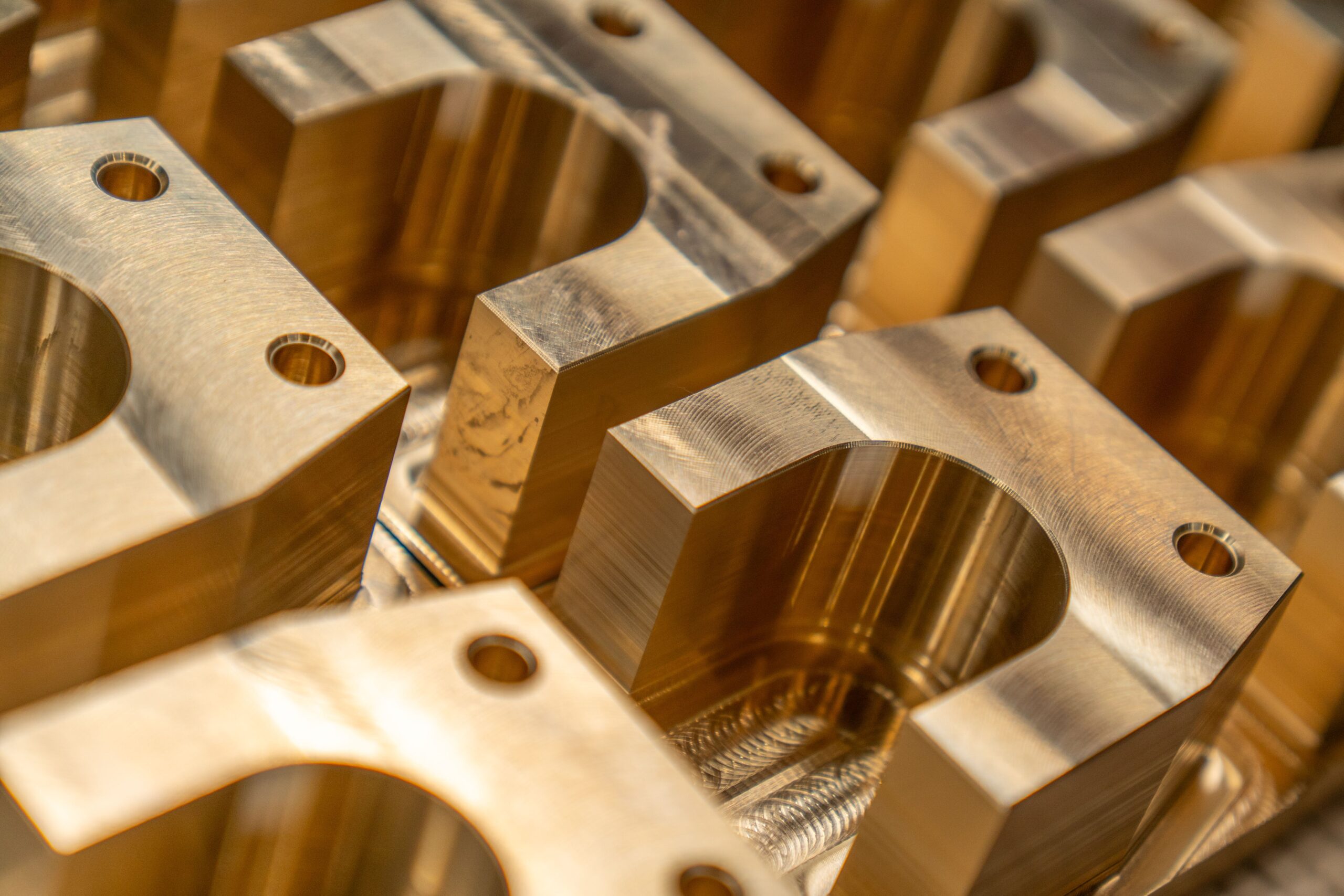
Sigma specialises in fluid distribution products and associated aerospace components, manufacturing equipment according to specifications established by its customers. Its portfolio encompasses tube assemblies, ducts, manifolds, fabricated structures, machined components, and specialist fasteners.
The company’s manufacturing activities cover both airframes and propulsion systems. Airframe products include assemblies used within aircraft hydraulic, pneumatic, fuel, and water systems, while its power systems business manufactures components for aircraft engines, nacelles, and associated equipment.
Fluid distribution assemblies account for a technically demanding area of aerospace manufacturing because individual components must accommodate installation constraints alongside the environmental and mechanical conditions specified by aircraft manufacturers. A completed assembly can incorporate formed tubing, machined fittings, welded joints, and other elements requiring different production processes.
Sigma’s engine pipe manufacturing capabilities cover diameters ranging from 4mm to 75mm. The company has supplied engine pipe assemblies for more than four decades, establishing experience across successive generations of aircraft and propulsion equipment.
Its manufacturing portfolio also encompasses more complex assemblies, including engine manifolds and ducting. Customers can procure integrated assemblies through Sigma’s manufacturing network rather than coordinating every constituent component through separate suppliers.
The group’s Sandiacre facility, operated through C&H Precision Finishers, adds specialist finishing services to those capabilities. Sigma also provides non-destructive testing, treatments, polishing, and manufacturing fixtures through its wider engineering operations.
Bringing these activities together allows the group to support components across several stages of production. Where an aircraft manufacturer has approved a particular sequence of manufacturing and inspection processes, integrated operations can reduce the number of external transfers required before the finished product is ready for customer acceptance.
The distribution of Sigma’s manufacturing capabilities across four sites nevertheless requires coordination of production schedules, engineering documentation, quality management, and component movements. Investment intended to increase output must account for the capacity of each relevant manufacturing stage rather than concentrating solely on final assembly.
These requirements have become particularly important as aircraft manufacturers seek higher production rates across established programmes. A supplier’s ability to increase output can depend upon the availability of specialist processes that account for only a small proportion of the total component manufacturing time.
Machining capacity, for example, may be available before corresponding increases in finishing or inspection capacity have been established. Manufacturers planning higher output must therefore identify where additional equipment, personnel, and process approvals are required across the production chain.
Tikehau’s involvement could support investment in those areas alongside the financial requirements associated with increased manufacturing volumes. Purchasing materials and maintaining work in progress creates working capital demands that can rise substantially before additional customer revenue is received.
The investment manager has also identified acquisitions as part of Sigma’s future development. Purchasing an established engineering business can provide access to qualified manufacturing processes, specialist personnel, and existing customer relationships in addition to physical production equipment.
Within aerospace, those existing approvals can be particularly valuable because transferring an established manufacturing process between facilities may require further engineering assessment and customer authorisation. Expanding through acquisitions therefore introduces separate integration responsibilities alongside the potential benefits of additional industrial capacity.
Sigma’s participation in both military and civil aviation provides exposure to different procurement cycles. While commercial aircraft production depends heavily upon airline demand and manufacturers’ delivery schedules, military programmes can involve longer contractual periods and smaller manufacturing runs.
The underlying engineering disciplines often overlap, enabling aerospace suppliers to support multiple markets through common facilities where customer specifications and approvals permit. Established aircraft fleets can also generate demand for replacement components after original production has concluded.
Tikehau has identified growth within Sigma’s existing aerospace programmes as an immediate priority. The new ownership structure leaves the current management team in place while providing additional financial and operational support for expansion.
Neither company has identified specific manufacturing investments, employment targets, or prospective acquisition candidates. The timing and distribution of those commitments across Sigma’s British and Chinese operations will determine how the investment translates into additional aerospace production capacity.