IN Brief:
- Japanese automotive component manufacturer Aster has diversified into defence supply through work with Anduril Industries.
- Japan's Acquisition, Technology and Logistics Agency is facilitating relationships between manufacturers and technology developers.
- Industrial diversification forms part of wider government efforts to strengthen strategically important manufacturing capabilities.
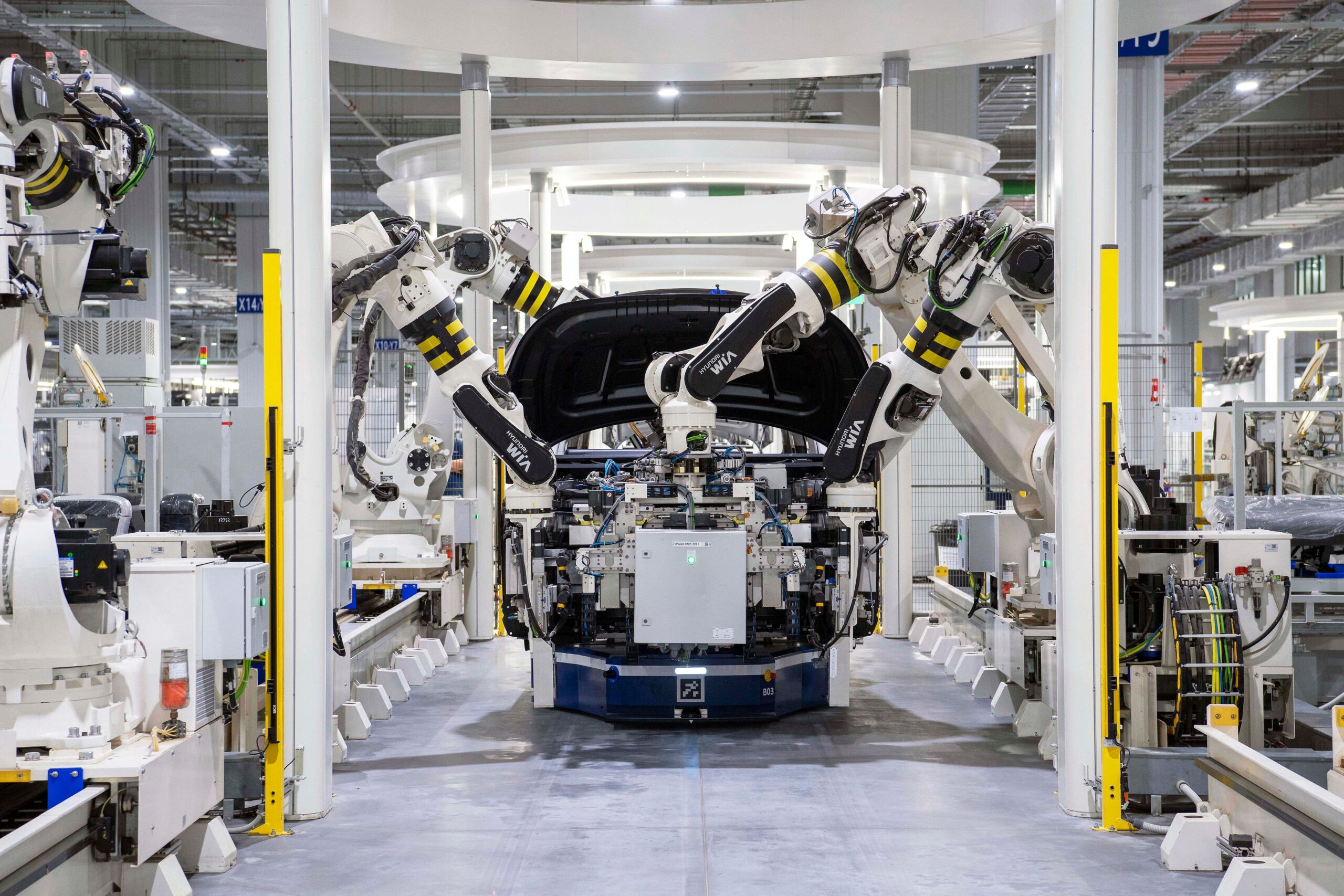
Japan is encouraging automotive component manufacturers to enter the defence supply chain, drawing upon established industrial capabilities as the government seeks to expand domestic manufacturing. The initiative connects businesses with expertise in electrical engineering, precision manufacturing, and production management with defence technology companies seeking additional suppliers.
Electric motor manufacturer Aster, based in Yokote, Akita Prefecture, has established a commercial relationship with American technology developer Anduril Industries after previously concentrating on supplying automotive customers. Defence activities now account for approximately 10% of the Japanese manufacturer’s revenue, according to information provided by the company to Reuters.
Japan’s Acquisition, Technology and Logistics Agency (ATLA) has also facilitated introductions between automotive engineering businesses and domestic technology developers. The agency’s involvement forms part of government efforts to encourage new entrants and establish relationships extending beyond the existing defence industrial base.
Changes introduced in February to a separate Ministry of Economy, Trade and Industry (METI) programme supporting automotive supplier diversification have widened the opportunities available to businesses considering expansion into other markets, including defence.
The government’s approach coincides with increased commercial pressure across Japan’s automotive supply chains. Competition from Chinese manufacturers, changes in vehicle technology, and the transition towards electrification have altered demand for components traditionally associated with internal combustion vehicles.
Suppliers whose manufacturing activities are concentrated around particular automotive products can face difficult investment decisions as those requirements change. Diversification provides an opportunity to retain specialist personnel and industrial infrastructure while developing additional sources of revenue.
Japan’s automotive sector encompasses extensive capabilities in precision machining, electrical engineering, electronics manufacturing, materials processing, and industrial automation. Those capabilities are also relevant to other engineering markets, although the commercial and technical requirements associated with their application vary considerably.
The economics of automotive manufacturing frequently depend upon high production volumes and tightly managed component costs. Manufacturers supplying defence programmes may encounter smaller manufacturing runs, different contractual arrangements, and additional product qualification requirements.
A production line developed around a particular automotive component cannot necessarily manufacture an unrelated product economically without modification. The commercial viability of diversification therefore depends upon the extent to which existing equipment, manufacturing expertise, and quality management processes can be transferred to new customer requirements.
Businesses must also account for the regulatory obligations associated with entering government supply chains. ATLA has developed a Defence Industrial Security Manual intended to improve consistency in the protection of sensitive industrial information, including information exchanged during international equipment cooperation.
These requirements introduce organisational responsibilities that extend beyond component manufacturing. Companies may need to establish appropriate controls for technical documentation, access to information, employee responsibilities, and relationships with commercial partners before undertaking particular categories of government work.
Japan’s defence industrial strategy has identified the need to maintain specialised manufacturing capabilities where their continued availability cannot be assured through conventional market forces alone. The strategy recognises that industrial activities serving relatively concentrated government demand can face different commercial conditions from those supplying larger civilian markets.
Widening the supplier base offers one approach to addressing that constraint. A business operating across several industrial sectors may be able to sustain engineering personnel and production infrastructure through a broader range of contracts than one dependent upon a single government customer.
METI has been examining related issues through its work on economic security and domestic manufacturing. In April 2026, the ministry published an interim report on strengthening manufacturing infrastructure in response to geopolitical risks and vulnerabilities surrounding critical materials.
Its work encompasses strategically important industrial capabilities across the economy, rather than defence production alone. The availability of specialist materials, equipment, manufacturing expertise, and supporting infrastructure influences the resilience of both commercial and government supply chains.
The ministry’s January Economic Security Management Guidelines also identified the role of private businesses in maintaining Japan’s strategic industrial capabilities. Encouraging manufacturers to assess their supply chain dependencies and develop sustainable industrial operations complements the more specific work undertaken by defence procurement authorities.
Aster’s emerging defence business provides an example of diversification through an individual commercial relationship. Government-facilitated introductions may create similar opportunities for other manufacturers, but the ability to secure viable production contracts will depend upon customer requirements, available investment, and the suitability of their existing industrial capabilities.
The scale of Japan’s eventual automotive supplier participation in defence manufacturing has yet to be established. Continued development will depend upon whether initial commercial relationships progress into sustained production agreements capable of supporting investment in personnel, equipment, and manufacturing infrastructure.