IN Brief:
- Aquaterro has supplied more than 75,000 ballistic helmets and refurbished over 30,000 for the ADF.
- The seven-year agreement combines new helmet supply, refurbishment, and Australian-made camouflage covers.
- A separate A$1.16 million contract expands local technical support for small-arms equipment.
Aquaterro has secured an Australian Defence Force agreement worth up to A$160 million to supply and refurbish combat helmets over seven years, extending its role in soldier protection and equipment sustainment.
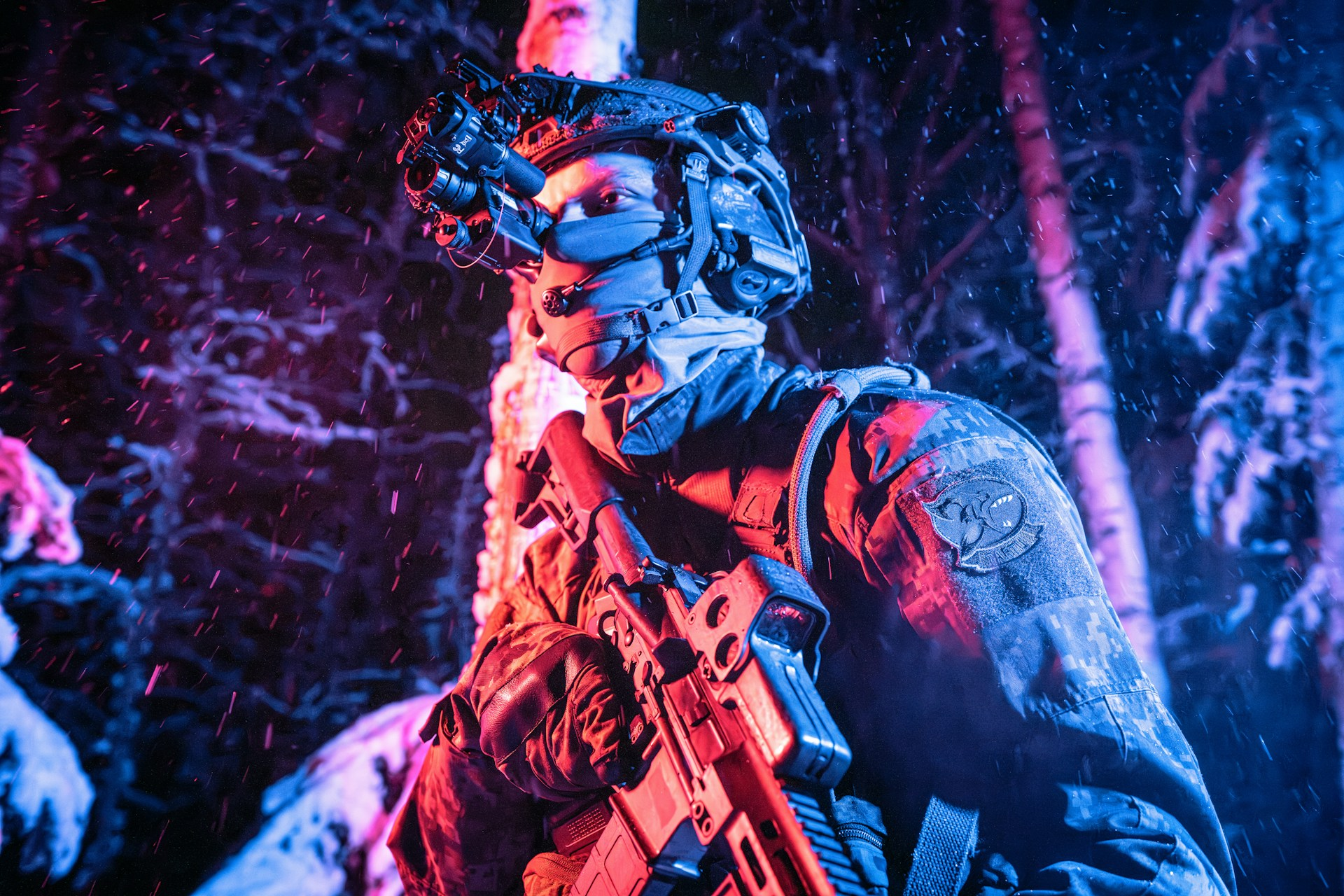
The Victorian company has already supplied more than 75,000 ballistic helmets to the ADF and refurbished more than 30,000. The new arrangement covers continued supply and maintenance, alongside camouflage helmet covers designed and manufactured entirely in Australia.
A separate A$1.16 million contract will provide Defence with access to technical expertise from Aquaterro and SIG Sauer for small-arms equipment used by soldiers, sailors, and aviators. The two agreements place new equipment, refurbishment, and technical support within a longer-term sustainment structure.
Refurbishment extends the value of the installed fleet
Combat helmets are durable equipment, but their protective performance depends on controlled inspection, repair, replacement, and record keeping. Refurbishment can return suitable helmets to service while removing damaged or non-compliant items, provided each unit is assessed against defined technical standards.
Aquaterro’s previous volumes show that maintenance already represents a substantial workload. More than 30,000 refurbished helmets sit alongside an installed base created through the delivery of over 75,000 new units, all of which must be managed through training cycles, deployments, storage, and changes to soldier-worn accessories.
The seven-year term gives Defence a longer planning horizon for those requirements. It should also allow the supplier to plan technician numbers, inspection capacity, replacement materials, and production activity against a more stable programme than a sequence of short orders.
The announcement does not identify the helmet model, annual quantities, delivery schedule, or the proportion of the maximum value allocated to new equipment and refurbishment. Nor does it state how much of each helmet is manufactured domestically, beyond confirming that the camouflage covers are wholly Australian designed and made.
Those details will determine how the agreement translates into factory throughput and supplier demand. A maximum contract value does not guarantee uniform expenditure across seven years, particularly where requirements may depend on the condition of existing equipment and the pace at which new helmets are issued.
Domestic support shortens the maintenance chain
Aquaterro employs more than 70 people at Pakenham in Melbourne’s south-eastern suburbs and operates from a purpose-built defence-industry facility. Its role combines equipment supply with lifecycle support, technical assistance, and integration work around soldier systems.
Local sustainment can reduce the time required to inspect equipment, resolve faults, and return serviceable items to units. Sending protective equipment through long international maintenance chains introduces additional freight, scheduling, and configuration risks, particularly when the user operates across a geographically dispersed force.
The installed helmet fleet creates continuing demand for technicians, documentation, replacement components, and quality control. Combining refurbishment with new supply allows Defence to replace equipment according to condition and operational need rather than relying solely on complete fleet renewal.
The separate small-arms support contract follows a similar model. Aquaterro will provide local access to its own expertise and that of SIG Sauer, retaining an international technology relationship while placing more of the day-to-day technical interface in Australia.
That arrangement does not remove overseas dependencies, but it can improve fault investigation, documentation, training support, and the management of configuration changes. Accessible technical knowledge becomes increasingly important as equipment remains in service across several user groups and operating environments.
Soldier equipment receives less attention than aircraft, ships, or missile programmes, although it relies on many of the same acquisition disciplines. Protective performance must be verified, manufacturing must remain consistent, configurations must be controlled, and maintenance capacity must be available when equipment is returned from service.
The agreement also illustrates how sovereign industrial capability can be built below the level of complete platform manufacture. Domestic design responsibility for selected items, local production, refurbishment capacity, and accessible engineering support can each reduce operational dependence without requiring every raw material or component to originate in Australia.
For Aquaterro, the contract provides continuity for workforce and facility planning. For Defence, it establishes a longer-lived supply and maintenance channel around equipment whose failure would be carried directly by personnel rather than absorbed elsewhere in a platform programme.
Performance will be judged through delivery reliability, refurbishment quality, and turnaround time. The commercial framework is now in place; the next seven years will show whether it produces the availability and supply resilience expected from a domestic sustainment arrangement.