
IN Brief:
- Einride will integrate Centinus threat monitoring and counter-UAS functions with its autonomous freight platform.
- The proposed system will combine drones, cameras, RF sensors, EO/IR payloads, and command systems.
- No customer, contract value, vehicle configuration, completed integration, or deployment timetable has been announced.
Einride is integrating counter-UAS monitoring and threat-detection software from Centinus with its autonomous freight platform as it develops protected logistics technology for defence customers.
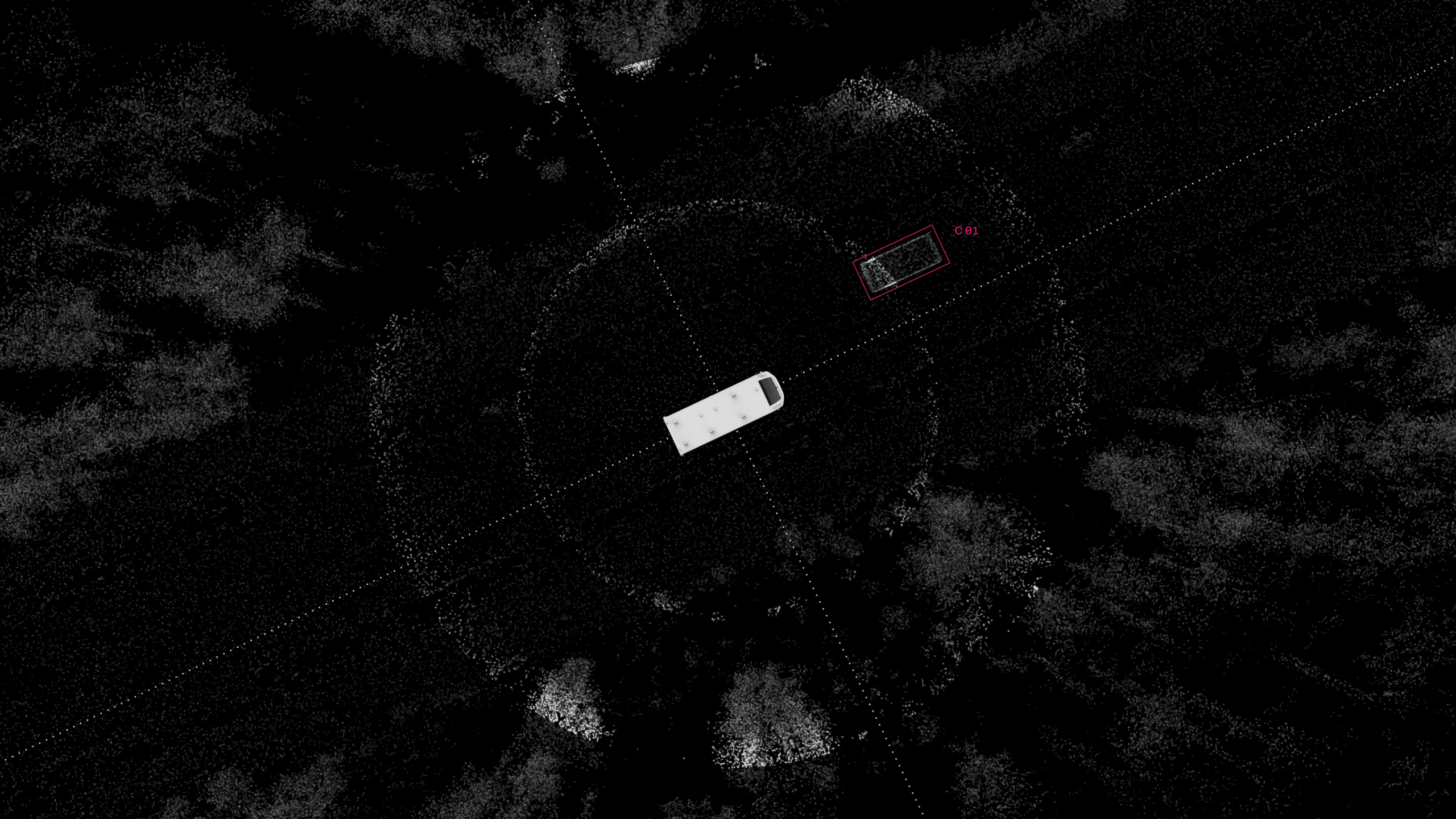
The partnership will connect Einride’s autonomous driving and freight-management systems with Centinus software that combines data from drones, fixed cameras, radio-frequency sensors, electro-optical and infrared payloads, and command-and-control networks.
The companies intend to provide real-time threat detection, tracking, and force-protection information around autonomous freight operations. No customer, contract value, demonstration site, vehicle configuration, completed integration, or deployment timetable has been announced.
Einride established a dedicated defence business after securing pilot contracts with an unnamed European NATO-allied defence organisation. It is also co-leading development of an autonomous tracked vehicle for a Swedish civil and military preparedness programme.
The latest initiative extends that work beyond vehicle autonomy. A freight vehicle operating without a driver still depends on route planning, depot access, communications, staging areas, and the security of the airspace around its movement. A detected drone or disrupted radio link can affect the complete logistics mission rather than the vehicle alone.
Centinus describes its technology as physical AI software for defence, public safety, and critical infrastructure. Its platform is designed to correlate observations across sensors and maintain track custody as an object moves between fields of view or sensing methods.
Combining those observations with freight data could allow operators to relate a potential threat to vehicle position, cargo, route, and mission priority. The technical difficulty lies in turning several imperfect sensor feeds into an assessment that can be acted upon without generating unnecessary stops or unsafe vehicle behaviour.
Radio-frequency detection may indicate a drone control link, interference, or unrelated activity. Electro-optical and infrared sensors can provide classification evidence but may be affected by weather, terrain, obscuration, and viewing angle. A command system must retain confidence levels and source information rather than reducing every detection to an identical warning.
The autonomous vehicle will also need defined responses. Depending on the operating concept, it could continue, stop, reroute, seek cover, return to a controlled location, or transfer authority to a remote operator. Those actions must be constrained by road conditions, other vehicles, cargo safety, communications availability, and the risk of creating a predictable reaction that an adversary can exploit.
Einride markets its autonomous driving software as vehicle-agnostic, allowing it to be adapted to new platforms or integrated with existing fleets. Defence use will still require engineering for each vehicle’s steering, braking, power, payload, communications, sensors, and safety architecture.
The Centinus connection adds further interfaces. Threat data will have to pass into the logistics platform without compromising the controls that govern vehicle movement. Authentication, software updates, access permissions, data ownership, and degraded operating modes will form part of the system boundary.
Cybersecurity cannot be separated from physical protection. A false sensor feed could divert a vehicle or stop a convoy, while compromised route data could expose the movement it is intended to protect. Systems joining commercial freight software with military sensors will need controlled updates, logged decisions, secure communications, and clear separation between administrative and safety-critical functions.
Contested logistics also involves degraded satellite navigation and intermittent connectivity. An autonomous platform must establish how it continues when positioning confidence falls, maps are incomplete, or communications with a remote operator are unavailable. Adding threat monitoring does not solve those navigation and control problems, but it increases the information the system must manage under degraded conditions.
Einride estimates the addressable market for its dual-use offer across the US, EU, and other NATO countries at between US$7 billion and US$13 billion through 2030. The figure is a company estimate rather than an order forecast, and it covers a proposed combination of software, vehicles, autonomy, sensors, and protective systems.
The initiative reflects a wider defence interest in adapting commercial autonomous technology rather than developing every logistics platform inside a military acquisition programme. Existing fleet-management and remote-operation tools can shorten early development, but military qualification still requires evidence against security, environmental, communications, safety, and support requirements.
Einride board member General Keith B. Alexander described autonomous driving as the logistics backbone, while Centinus chief executive Benjamin Cheatham said protection must cover routes, depots, staging areas, and the surrounding airspace. Their statements set the intended operating concept; the integration has yet to demonstrate it.
A named trial will provide the first useful evidence. Vehicle behaviour, sensor configuration, detection performance, communications resilience, operator workload, and response authority will determine whether the combined platform can move supplies while managing threats. Until then, Einride and Centinus have defined the architecture and market ambition, not a fielded defence logistics system.

