
IN Brief:
- First Breach reports the initial flight of its separate Long Range Strike drone platform.
- The sub-9kg aircraft is designed for more than 20km range and approximately 1kg payload.
- First Breach targets scaled manufacture in the second quarter of 2027; no production qualification is reported.
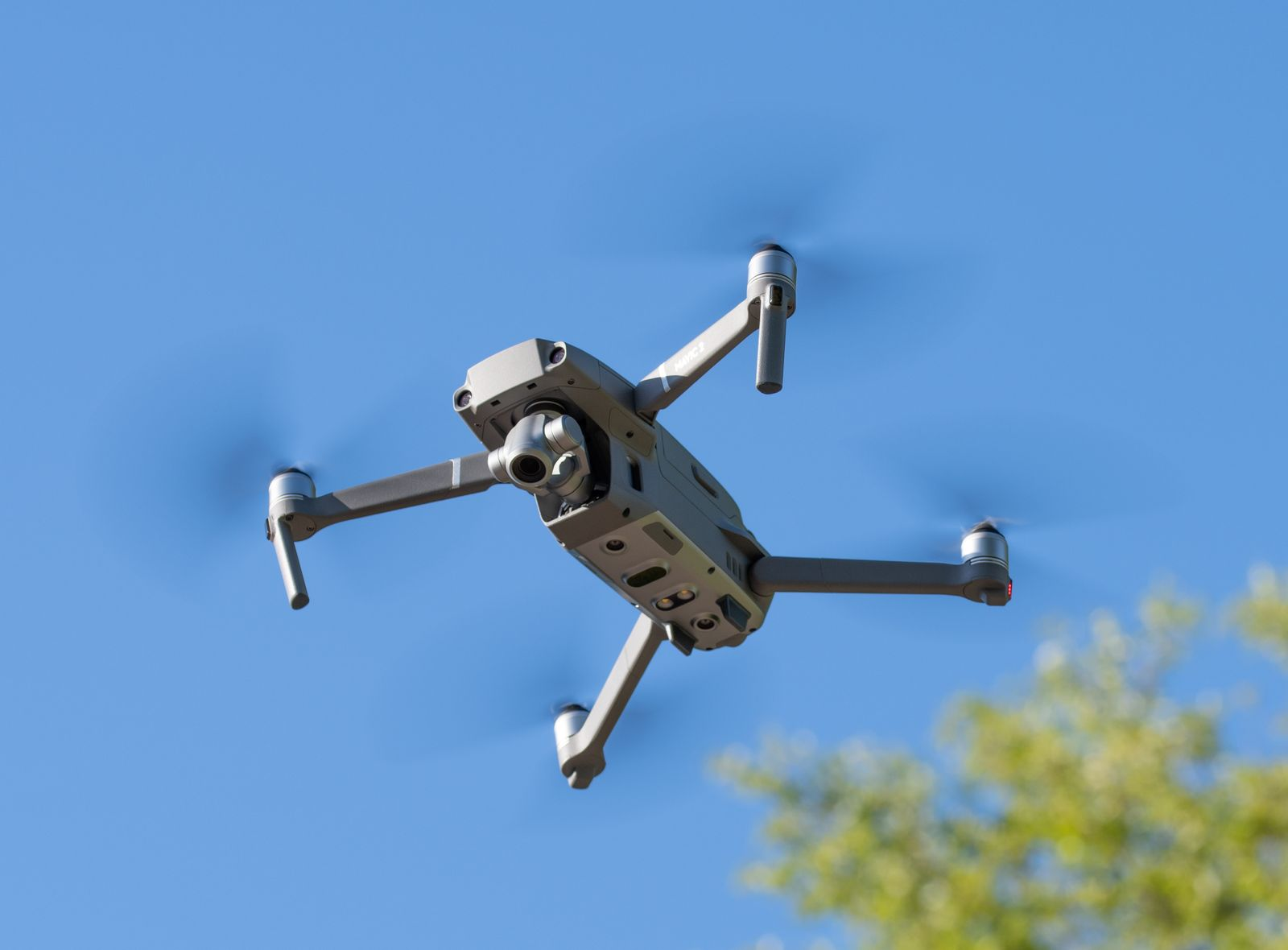
First Breach has completed an initial flight of its Long Range Strike unmanned aircraft, bringing the second design in its development programme with Hellbender into flight testing. The larger of the two compact platforms joins the Close Quarters Strike aircraft, which had already been tested. First Breach expects the designs to share components, a supply chain and a production line, with scaled manufacture targeted for the second quarter of 2027. The 27 October event is the first flight of Long Range Strike, not the company’s first drone flight overall.
First Breach describes Long Range Strike as a man-portable Class 1 aircraft weighing less than 9 kilograms, with propellers below 457 millimetres and a folded width or wheelbase below 350 millimetres. The company quotes a design range exceeding 20 kilometres, approximately 120 kilometres per hour speed and around one kilogram of payload. The initial flight establishes that the airframe has flown; no public test record shows that all its stated performance figures were achieved together under defined operating conditions.
The aircraft is intended to combine first-person-view control with computer-vision search assistance and map-based waypoint navigation. Those functions serve different purposes: the pilot’s video feed supports direct observation, waypoints define a planned route, and image analysis can help identify objects of interest. A description of intended onboard processing does not demonstrate reliable recognition in poor lighting, limited visibility or high-clutter terrain. The extent to which the first flight exercised each mode has not been specified.
First Breach also describes hardware intended for identification friend or foe and terminal guidance, alongside modular radio connectivity and navigation components aimed at operation when satellite positioning is degraded. The precise sensors, protocols and test outcomes for those functions were not included in the announcement. Robust navigation under interference requires the aircraft to estimate its motion using available measurements when a GNSS fix cannot be trusted, and any resulting uncertainty can accumulate during flight. A general statement of design intent cannot substitute for a verified electronic-warfare trial.
Earlier company tests concerned the Close Quarters Strike development sequence: on 13 October First Breach reported an autonomous mission, followed by a speed-focused update on 20 October. Those reports do not establish that Long Range Strike completed the same manoeuvres or reached the previously reported speed. The new 27 October event is specifically the larger Long Range Strike design’s first test flight, while the two aircraft remain separate products despite their planned common manufacturing arrangements.
Hellbender is working with First Breach on the engineering and domestic manufacture of the two platforms. Sharing components can reduce the number of distinct items needing procurement, inspection and production support, provided the same parts can satisfy both designs’ electrical, mechanical and environmental requirements. It can also simplify technician training and spares management. Common production lines nevertheless need controlled tooling changes and software configuration procedures so that the assembled aircraft matches the intended variant.
First Breach specifies an intended non-Chinese supply chain for the Long Range Strike battery pack, motors, power electronics, flight-control system, flight computer and vision-guidance system. Achieving that target in serial manufacture would require supplier declarations, component traceability and controls for any substituted parts. The company has not published an independent origin audit or identified the relevant suppliers, and the list describes a sourcing plan rather than a completed military qualification programme.
Design for high-volume robotic assembly is another stated objective. Automated production can help with repeatable placement, joining and inspection if tolerances and acceptance standards are engineered into the product. Flight hardware also needs software loading, communications checks, battery tests and end-of-line validation before shipment. Robotic assembly capacity is not equivalent to an achieved delivery rate; yield, test rework and supplier availability can determine how much finished equipment a factory actually produces.
First Breach continues to target completion of initial prototypes during the fourth quarter of 2026. The subsequent second-quarter 2027 production ambition depends on successful testing and manufacturing preparations. The company has not disclosed a customer production order, certified manufacturing throughput or delivery schedule for operational units. The two-platform strategy may enable common sourcing, but the number of systems that can be manufactured at a given cost remains an unverified forecast.
Repeat flights and measured range-payload trials will establish more of Long Range Strike’s performance, while production tooling and inspection results will determine whether shared manufacture is practical. No service-entry date, operational qualification or achieved factory output has been disclosed. Scaled production remains a target for the second quarter of 2027.