IN Brief:
- Fisica Applied Technologies has selected PTC Creo and Windchill as common CAD and PLM platforms across multiple business units and locations.
- The move follows the combination of several antenna-system organisations and is intended to improve design consistency, configuration control and traceability.
- The common engineering environment will support defence products including airborne and ground antennas, electromagnetic systems, simulators and ruggedised batteries.
Fisica Applied Technologies has selected PTC Creo and Windchill as common computer-aided design and product lifecycle management platforms across its engineering organisation, standardising the systems used to develop and control a broad portfolio of defence products.
The implementation covers multiple business units and locations. Creo will provide the CAD environment used for product design, while Windchill will manage engineering and product lifecycle information, with Fisica seeking greater consistency, collaboration, configuration control and traceability across its programmes.
The requirement follows the formation of Fisica from several specialist organisations that had previously operated within L3Harris. Bringing separate engineering teams into one company created a need for a common digital foundation able to support work across four business units without each maintaining its own disconnected product-development environment.
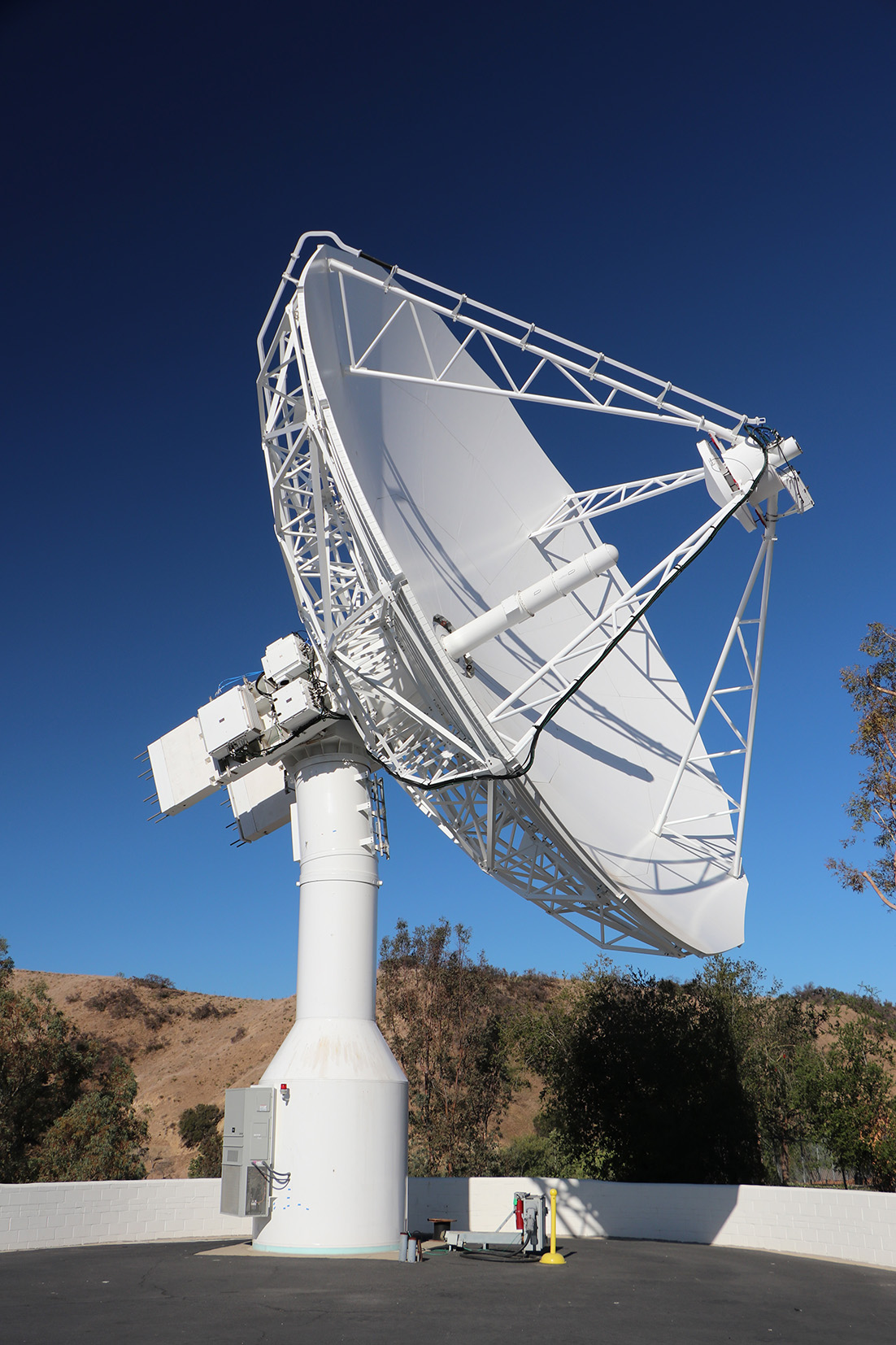
Fisica manufactures equipment including airborne and ground-based antennas, electromagnetic systems and simulators, and ruggedised batteries. Those products can remain tied to aerospace and defence programmes for many years, making the engineering record around each configuration an important part of the delivered capability.
Standardising CAD provides a common environment for creating and modifying designs, but the larger issue is how those designs are controlled after release. Windchill is intended to provide the product lifecycle layer around drawings, revisions, bills of material and other data used to define which version of a product should be built or supported.
Configuration control becomes particularly important when several engineering organisations are combined. Separate businesses can arrive with their own part-number structures, drawing conventions, approval processes and methods for recording changes, even when they work on technically similar products.
Without a common lifecycle system, collaboration between those teams can depend on manual transfer of files or parallel records whose status is difficult to establish. A controlled PLM environment is intended to provide an authoritative product definition against which engineering, manufacturing and quality teams can work.
That requirement is amplified in defence programmes where products often exist in several customer-specific configurations. Changes to connectors, electronics, materials, software or manufacturing processes may create distinct approved versions, and each needs to remain traceable after the engineer who introduced the change has moved to another project.
Antennas provide a clear example. Equipment installed on an aircraft or ground platform can be constrained by space, electrical interfaces, environmental qualification and electromagnetic performance, meaning an apparently small component change may have implications beyond the individual part.
Product lifecycle data provides the link between those engineering changes and the manufacturing definition. When a component becomes obsolete or a supplier changes, teams need to determine which products are affected, whether a replacement has already been approved and what testing is required before the new configuration can enter production.
The same data is used by functions outside design engineering. Quality teams need the approved specification against which hardware is inspected, procurement needs accurate bills of material, and production needs certainty that the drawing or work instruction being used is the current released version.
Fisica says standardisation was necessary as it brought together multiple organisations and engineering teams. Adam Erskine, Vice President of Business Development, said using technology with which its teams were already familiar allowed the company to move quickly while maintaining confidence in its data and processes.
The decision therefore favours consolidation around an established environment rather than introducing an entirely unfamiliar engineering stack during the organisational integration. That can reduce one source of implementation risk, although aligning the underlying processes remains a separate task from installing common software.
Legacy information has to be migrated, duplicate records reconciled and approval workflows agreed across the business. Access permissions, naming conventions and ownership of the engineering baseline also need to be standardised if teams are to obtain the expected benefit from a common system.
PTC describes the wider combination of Creo, Windchill and its other software as part of an Intelligent Product Lifecycle strategy in which structured engineering data can be reused across manufacturing, service and AI-enabled processes. Fisica’s announced deployment is more immediate: creating a reliable product-data foundation around complex defence programmes.
The company has not disclosed the value of the software deployment, the number of users involved or a detailed implementation timetable. Those omissions make the operational outcome more significant than the size of the IT contract itself.
For Fisica, the measure will be whether four business units can work from controlled product definitions while preserving the traceability required for long-lived defence hardware. Creo and Windchill provide the common engineering environment; the larger integration task is turning several inherited design histories into one consistent lifecycle-management process.