IN Brief:
- The GCAP propulsion consortium is approaching final approval of its centre-line engine demonstrator design.
- More than 100 subscale component tests have been completed, while component manufacturing continues.
- The programme must integrate thrust, electrical generation, cooling, controls, and international production methods within one architecture.
Rolls-Royce, Avio Aero, and IHI have moved the Global Combat Air Programme’s engine demonstrator closer to ground testing after completing a further series of consortium design reviews.
Final approval of the all-new centre-line demonstrator design is approaching, while component manufacture continues across the three national industries. More than 100 subscale tests have already examined technologies that will feed into the complete propulsion system.
The demonstrator will gather evidence for the power and propulsion architecture intended to support the future combat aircraft being developed by Britain, Italy, and Japan. Although thrust remains fundamental, the engine must also generate substantial electrical power and manage the heat produced by sensors, electronic warfare, communications, computing, and other mission equipment.
Future combat aircraft will carry greater electrical loads than earlier generations, while low-observable design restricts the straightforward release of heat into surrounding airflow. Power generation and cooling consequently influence engine size, fuel use, intake design, exhaust treatment, range, and the volume available for other systems.
Those relationships bind the engine more closely to the airframe and mission system. Electrical generators, power electronics, energy storage, cooling loops, flight controls, and propulsion controls must work within one architecture rather than progress as loosely connected equipment programmes.
Subscale rigs allow engineers to assess individual materials, turbine components, combustors, bearings, generators, controls, or cooling technologies under controlled conditions. A complete demonstrator exposes the interactions that emerge when those elements operate simultaneously, including thermal loads and control responses that may not appear during isolated testing.
Ground running will also provide evidence about start behaviour, acceleration, vibration, fuel consumption, power extraction, heat rejection, and component durability. Those results can alter aircraft-level assumptions while there is still time to adjust structures, systems, and manufacturing plans.
The factory inside the demonstrator
The engine programme is simultaneously testing whether three national industries can operate as one engineering and production system. Rolls-Royce, Avio Aero, and IHI bring different design tools, manufacturing methods, suppliers, security arrangements, and regulatory environments.
Shared hardware therefore depends on common interface definitions, configuration management, inspection standards, digital data, and decision-making processes. A technically successful engine built through fragmented methods would leave the later production programme carrying unresolved cost and schedule risk.
A dedicated collaboration hub in Reading has brought personnel from the propulsion partners closer to the GCAP Agency and Edgewing. Co-location cannot remove national security boundaries or contractual complexity, but it can shorten technical decisions and reduce the risk of incompatible assumptions moving through separate organisations.
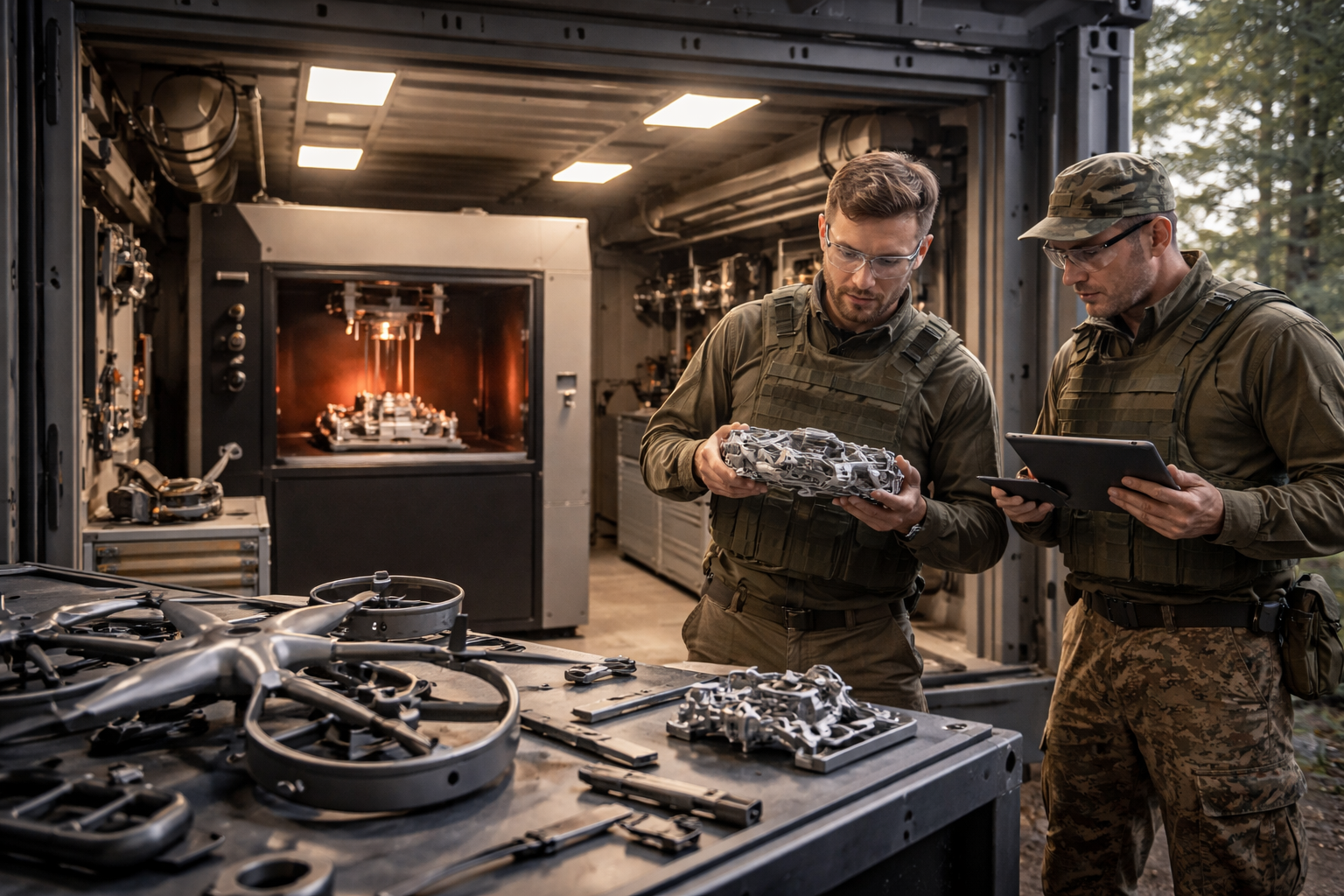
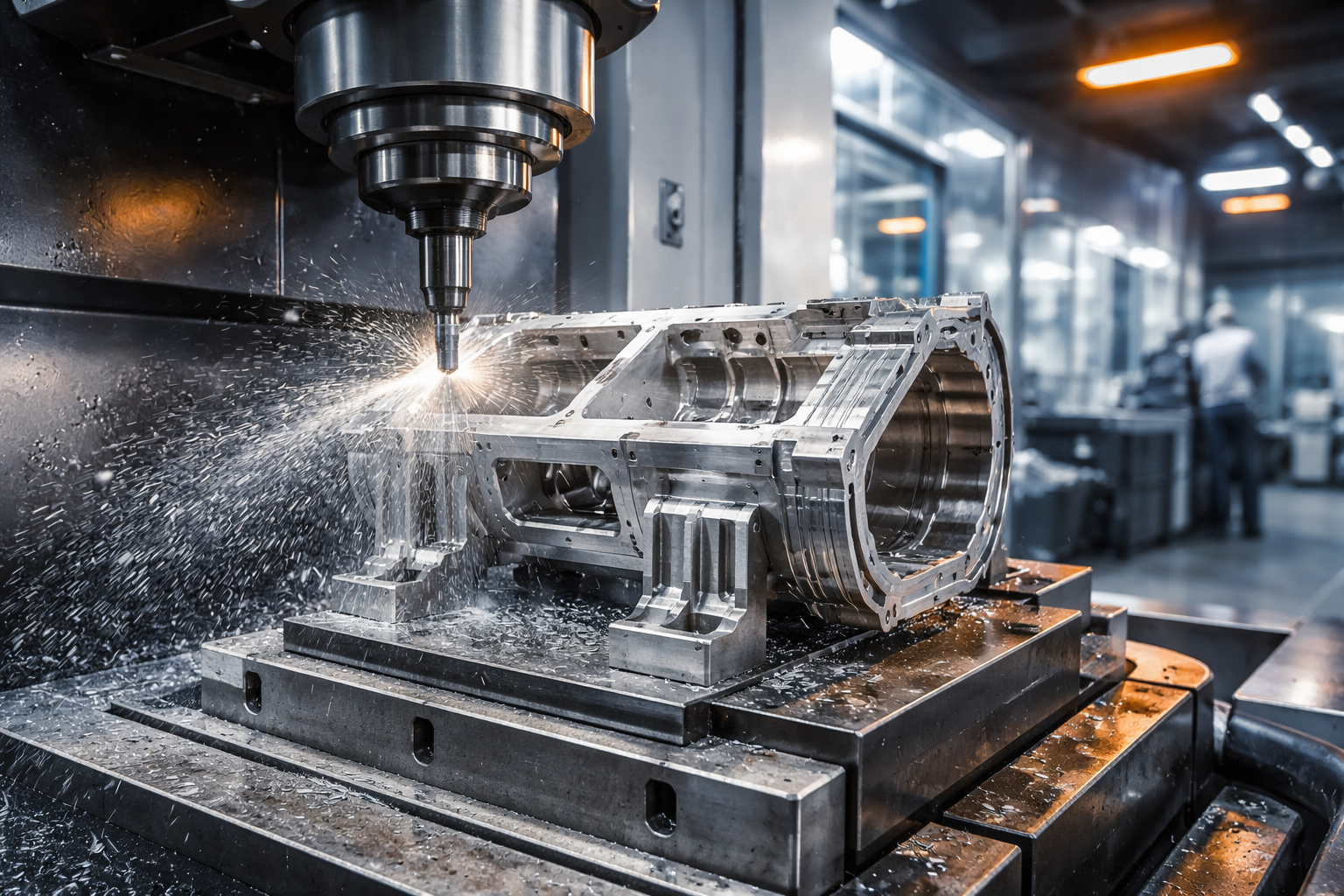
Manufacturing is likely to draw on advanced castings, precision machining, coatings, composites, additive processes, and high-temperature materials. Each introduces its own capacity constraints, inspection requirements, and qualification workload, while several are already in demand across civil aerospace and other defence programmes.
Engine output can be restricted by components far below final assembly. A single casting, bearing, powder, coating process, or specialist machine may determine the rate long after an assembly facility has expanded. Mapping those dependencies before demonstrator quantities become development and production requirements will be central to the programme’s schedule.
The consortium says GCAP propulsion activity sustains more than 9,000 aerospace roles, but continuity of experience carries greater value than the headline employment figure. Designers, metallurgists, manufacturing engineers, test specialists, software developers, and technicians must move through demonstration, qualification, production, and sustainment without gaps that force knowledge to be recreated.
The engine work is advancing alongside Britain’s combat-air demonstrator, which has entered factory and test activity. Together, the programmes are replacing digital concepts with structures, components, software, tooling, and physical test evidence.
Competitive pressure is reinforcing the need for pace. China’s developing sixth-generation combat-air designs have sharpened attention on the industrial timelines behind advanced aircraft, even where programme details remain limited.
Propulsion often becomes a critical path because engine performance shapes range, payload, cooling capacity, electrical power, signature, and the surrounding airframe. Problems discovered after the aircraft configuration has stabilised become expensive to resolve and can force compromises throughout the system.
The forthcoming ground campaign will show whether national technologies and workshare arrangements can operate as an integrated engine. Successful running would provide more than a propulsion milestone; it would demonstrate that three separate aerospace industries can turn shared requirements into functioning hardware under one configuration.