IN Brief:
- Hanwha Philly Shipyard and TOTE Services have been selected for new US Missile Defense Agency instrumentation vessels.
- Golden Defender will replace ships dating from 1965 and 1970, with delivery planned for 2030.
- The programme reuses an active hull, workforce, supply chain, and management model while adding sensitive mission integration.
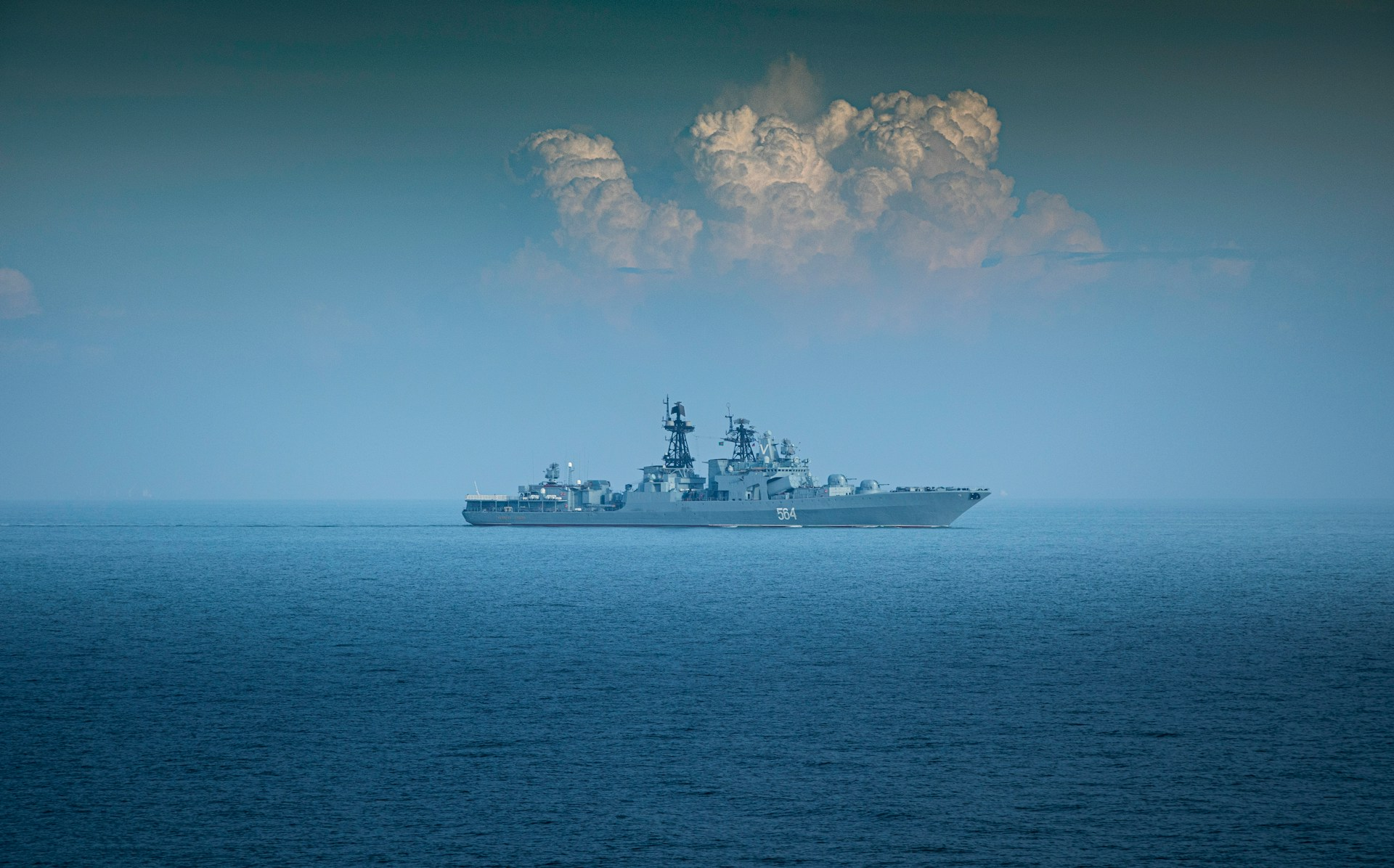
Hanwha Philly Shipyard and TOTE Services have been selected to deliver the US Missile Defense Agency’s next Missile Range Instrumentation Vessels, beginning with Golden Defender in 2030.
The new ships will replace Pacific Tracker and Pacific Collector, which were built in 1965 and 1970 and support the collection of telemetry, tracking, communications, and test data during missile activities across large ocean ranges.
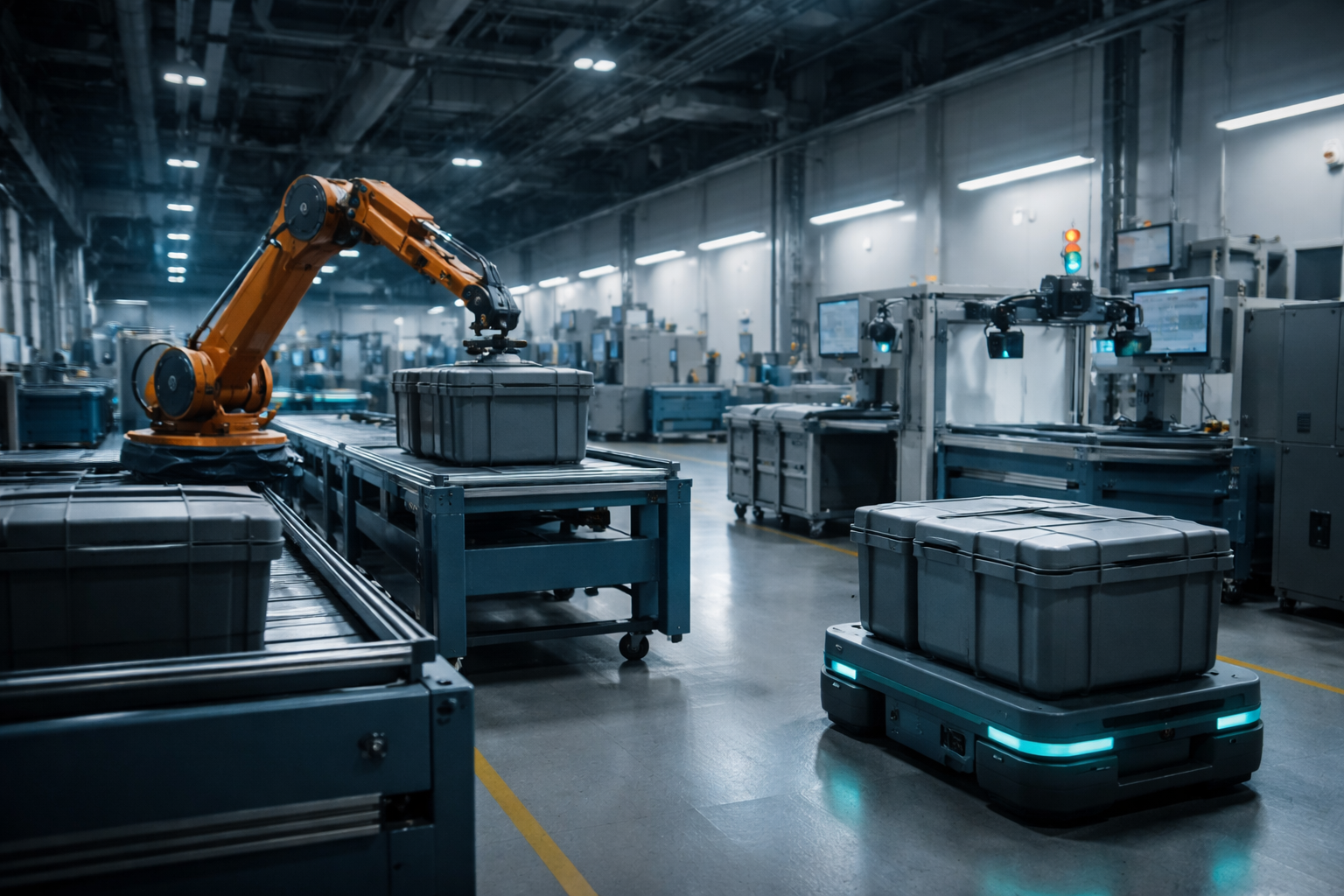
TOTE Services will act as vessel construction manager, while Hanwha will build the ships at its Philadelphia yard. The programme will use a hull form, production line, supply network, and workforce established for the US Maritime Administration’s National Security Multi-Mission Vessel programme.
Three of the five NSMVs have been delivered, a fourth has been christened, and the final ship is expected in mid-2027. Carrying that production knowledge into Golden Defender should reduce the amount of new hull engineering and preserve continuity for welders, pipefitters, electricians, planners, supervisors, and suppliers.
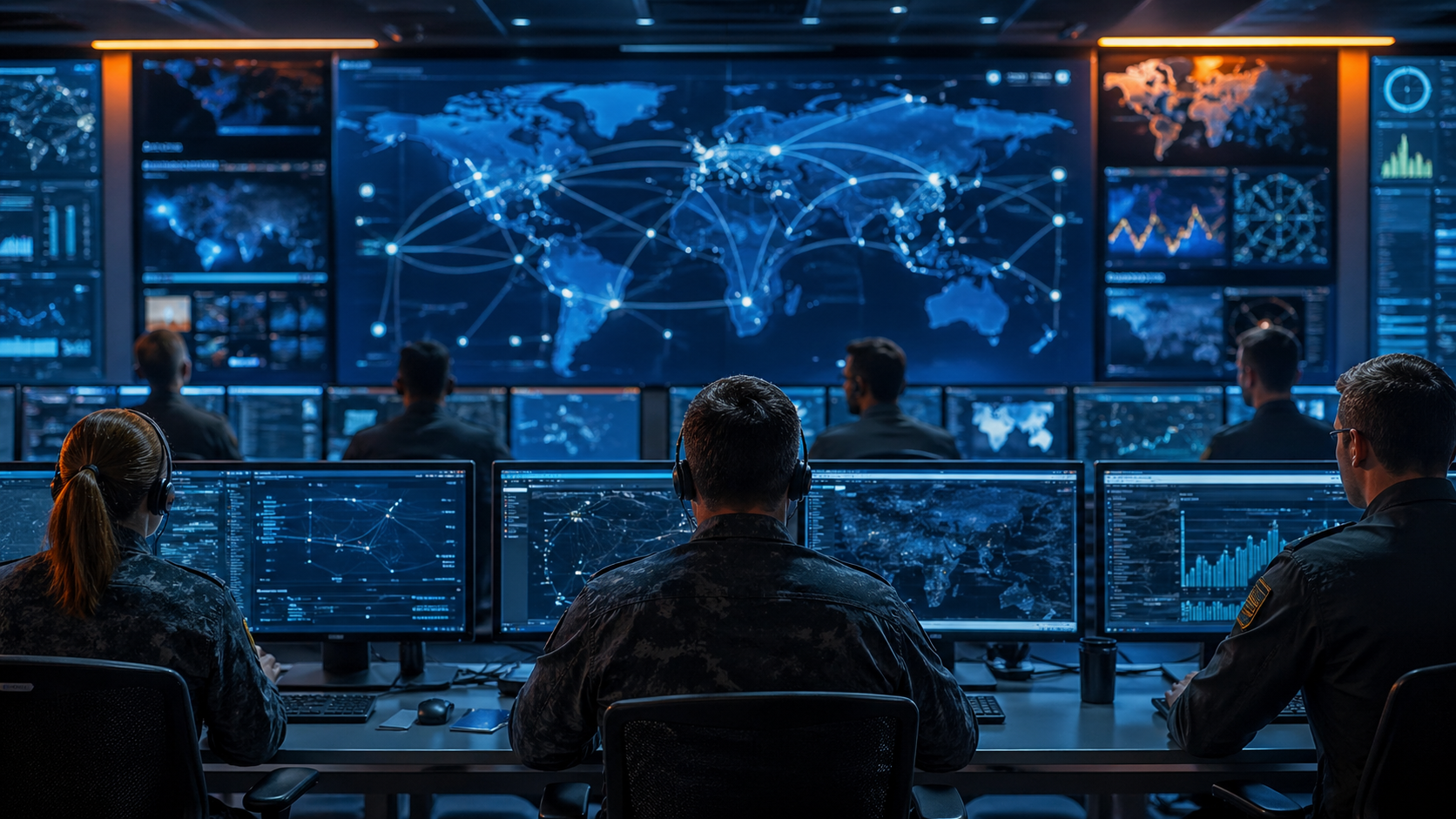
The mission equipment will create a more demanding integration programme than the underlying hull suggests. Instrumentation vessels carry large antennas, radars, telemetry receivers, communications, data-processing equipment, timing systems, and secure mission spaces used to observe and record missile tests.
Such systems require stable power, extensive cooling, controlled electromagnetic performance, precise foundations, high-capacity networks, and access for maintenance. Topside equipment also affects weight, stability, wind loading, structural reinforcement, and the arrangement of other ship systems.
Commercial continuity meets defence integration
Using an established hull removes some basic naval-architecture risk, but mission integration will dominate the programme. Cable routes, equipment foundations, chilled water, ventilation, power conversion, secure compartments, and network spaces must be incorporated before construction advances too far.
Late changes are particularly damaging in shipbuilding. Adding cooling or moving cables after compartments have been closed can require cutting finished structure, relocating other equipment, and repeating inspection.
Detailed digital design, early equipment information, and disciplined interface control will determine whether Golden Defender retains the cost and schedule advantages associated with a mature hull.
Electromagnetic compatibility will require extensive engineering. High-power transmitters and sensitive receivers must operate together without unacceptable interference, while grounding, shielding, frequency management, antenna separation, and cable routing must be coordinated across equipment from several suppliers.
Cybersecurity reaches from the final vessel into the industrial base. Companies handling software, network equipment, design data, communications, and mission electronics must protect sensitive information during design, manufacture, integration, and commissioning.
The programme gives Hanwha a strategically important route into more sensitive US government work. Its Philadelphia yard employs more than 2,000 production workers, providing a workforce and management structure that would be difficult to recreate solely for a small number of specialist vessels.
Defence production will still require new assurance. Personnel and suppliers may need additional security controls, material traceability will increase, and government mission-system authorities will join classification societies and maritime regulators in the inspection chain.
South Korean ownership brings shipbuilding capital, process knowledge, and access to a large industrial group, while construction remains at an American yard using a domestic workforce. Korean investment in the US shipbuilding capacity gap has already placed that model at the centre of a wider debate about allied expertise and sovereign production.
Golden Defender will test whether commercial and auxiliary production experience can transfer successfully into a vessel carrying sensitive missile-defence equipment. Strong performance would improve Hanwha’s position for further US work, while integration delays would expose the limits of applying an existing line to a more complex mission.
The vessel-construction-manager model is intended to define requirements earlier, control changes, and preserve commercial production discipline. It cannot eliminate uncertainty when sensors, networks, and data-processing technology continue to evolve during construction.
Schedule protection will depend partly on stable physical and digital interfaces. Modular equipment rooms, spare power and cooling, accessible cable pathways, and open data architecture can allow selected electronics to change without forcing major alterations to the hull.
The 2030 target leaves a compact period for detailed design, long-lead purchasing, construction, system installation, harbour trials, sea trials, and government acceptance. Generators, switchboards, propulsion equipment, cooling plants, large antennas, and specialist electronics require early procurement.
Golden Defender is not a combatant, although it supports the test infrastructure through which missile and missile-defence systems are developed, evaluated, and accepted. Its output will be data rather than firepower, making the reliability of sensors, networks, power, and communications central to the design.
The hull may follow a familiar production route, but almost everything that defines the vessel’s national-security role must be integrated and verified afresh. Hanwha and TOTE must preserve the efficiencies of an active ship line while meeting the security and technical standards of a sensitive defence programme.