IN Brief:
- India's Ministry of Defence signed a contract worth approximately ₹770 crore with Bharat Electronics on 21 October.
- The Improved Low Level Light Weight Radar uses four fixed AESA panels, gallium nitride amplifiers and digital beamforming to provide 360-degree surveillance.
- The radar supports automatic tracking and target prioritisation, with interfaces for transferring target information to other defence systems.
India’s Ministry of Defence has signed a contract worth approximately ₹770 crore with Bharat Electronics Limited for Improved Low Level Light Weight Radars intended to strengthen the Indian Army’s surveillance and tracking of aircraft and small uncrewed aerial systems.
The agreement was signed in New Delhi on 21 October 2026 in the presence of Defence Secretary Rajesh Kumar Singh. The ministry identified fighter-sized aircraft, mini drones and micro drones among the intended target types, together with a capability to prioritise aerial targets as part of the surveillance process.
The procurement concerns the Improved Low Level Light Weight Radar, designated LLLR(I), a solid-state surveillance system using active electronically scanned array technology. Bharat Electronics describes the product as a software-defined pulse-Doppler radar incorporating gallium nitride amplifiers, digital beamforming and three-dimensional signal processing.
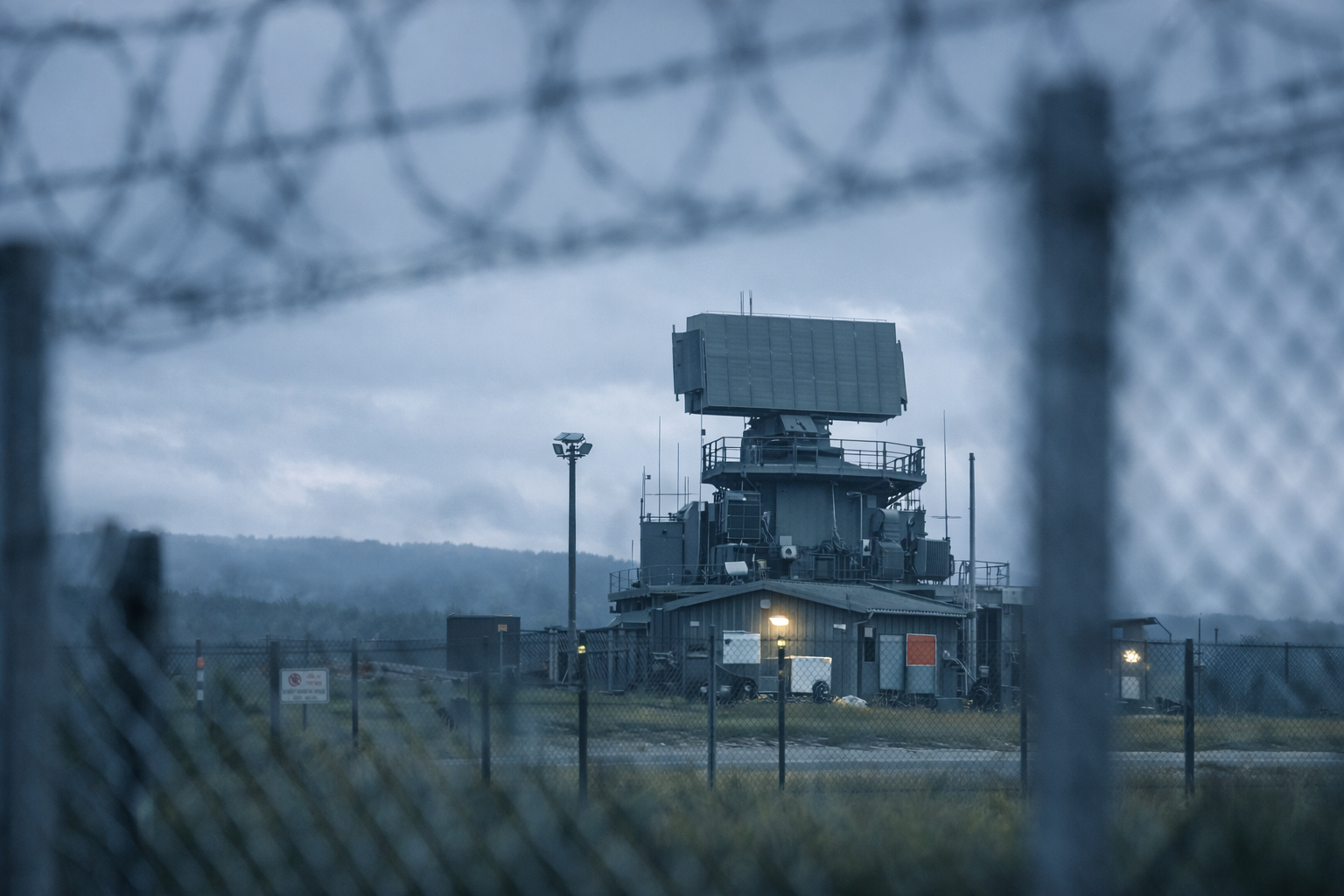
Its antenna arrangement consists of four fixed phased array panels providing 360-degree coverage. Unlike a conventional mechanically rotating surveillance radar, the equipment uses electronically controlled beams to search the surrounding airspace. The stationary configuration removes the need for an antenna rotation mechanism, although the complete system still depends on its electronic components, electrical supply and supporting equipment.
Electronic beam control allows the radar to manage the direction of transmitted and received energy through its array. Different search and tracking functions can be organised through beam scheduling and signal processing, with performance dependent on the design of the array, available power and the operating conditions.
Bharat Electronics specifies agile multiple beams in elevation and monopulse techniques for accurate elevation tracking. Monopulse processing uses information from received signals to estimate target direction, while tracking software combines successive measurements to follow detected objects as they move through the monitored airspace.
The radar also supports automatic track-while-scan operation. That function allows established tracks to be updated as the system continues searching for other potential targets, rather than requiring surveillance to stop whenever an object is being followed. The number of tracks that can be maintained simultaneously has not been disclosed in the October contract statement.
Low-altitude surveillance presents particular difficulties because terrain, buildings and other surfaces produce radar reflections. These returns can obscure smaller airborne objects or complicate the separation of moving targets from the surrounding environment. Multipath propagation, in which signals reach the radar through more than one reflected route, can introduce further uncertainty into measurements.
Bharat Electronics identifies advanced clutter handling and multipath mitigation among the radar’s design features. These processing functions are intended to improve the interpretation of radar returns, although the manufacturer has not published sufficient independently verified performance information to establish detection probabilities under particular environmental conditions.
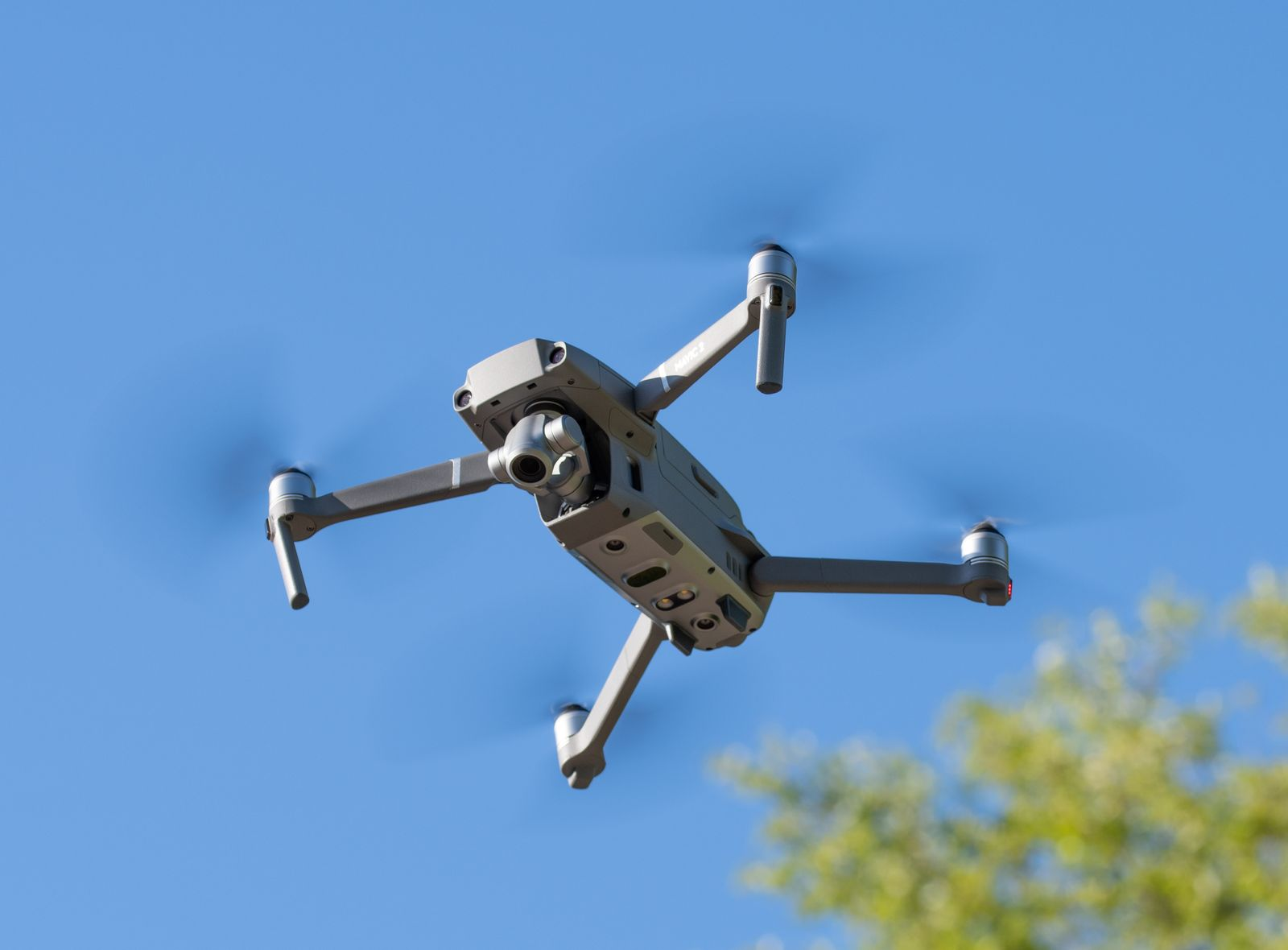
Small uncrewed aircraft pose a different sensing problem from larger aircraft. Their radar signatures may be considerably weaker, while low operating altitude and the surrounding terrain can make individual detections more difficult to distinguish. Rotor movement, target speed and signal characteristics may provide useful information, but no single feature guarantees reliable identification.
The LLLR(I) combines its array architecture with digital processing to address a range of aerial targets. Its published product description identifies mini and micro drones alongside conventional aircraft, while the ministry’s contract statement confirms that these categories are included in the required capability.
Detection must also be distinguished from identification and engagement. A radar can generate a track from measured returns without determining every characteristic of the object being observed. Target classification and decisions about an appropriate response depend on further processing, available information and the procedures governing the wider defence system.
The Ministry of Defence highlights target prioritisation as a function of the new radars. Prioritisation can help organise information when multiple objects are present, allowing operators and connected systems to concentrate on tracks requiring attention. The ministry has not provided the algorithms, ranking criteria or engagement arrangements associated with this function.
Bharat Electronics says target information can be transmitted to weapon systems through wired or wireless communications. The radar’s control and display unit provides remote control of operating modes and presents the air situation to operators through a human-machine interface.
Integration with other defence equipment requires more than a compatible communications connection. Track data must retain suitable timing, coordinate references and accuracy information, while receiving systems need to interpret the messages correctly. The public contract details do not identify the command systems or effectors with which the Indian Army will integrate the equipment.
The radar uses gallium nitride amplifier technology within its active array. Gallium nitride devices are suited to demanding radio-frequency applications because their electrical properties support high power densities and efficient operation under appropriate design conditions. Their use still requires suitable thermal management, power distribution and protection against environmental and electrical stresses.
The manufacturer describes the antenna panels as passively cooled, mounted on a tripod and containing no moving parts or circulating cooling liquids. This arrangement reduces dependence on mechanical antenna drives and liquid cooling hardware, while field reliability remains subject to the performance of the electronic assemblies, connectors and associated equipment.
Deployment requirements are also reflected in the radar’s physical arrangement. Bharat Electronics identifies the system as man portable and transportable using vehicles already in service, with intended use across plains, desert and high-altitude environments.
Moving surveillance equipment between locations creates requirements for repeated setup, alignment and verification. Electrical connections, antenna positioning and the relationship between the radar and its surroundings can affect operation, so mobility must be supported by practical deployment procedures and appropriate built-in testing.
Manufacturing the equipment involves radio-frequency components, phased array assemblies, digital processing electronics, mechanical structures and software integration. These elements must be tested together to establish that the radar meets the specified operating requirements, with repeatable production processes supporting consistent performance across delivered units.
The Indian Government expects the contract to contribute to domestic defence manufacturing, including opportunities for micro, small and medium enterprises. The precise industrial workshare and supplier allocation have not been disclosed, so the contract’s contribution to individual manufacturers cannot yet be quantified.
Neither the ministry nor Bharat Electronics has identified the number of radars being procured, their delivery schedule or the specific acceptance trials. The ₹770 crore figure establishes the approximate procurement value, but does not provide a reliable basis for calculating unit prices or forecasting the equipment’s introduction into individual Army formations.
The contract establishes a further procurement commitment to domestically manufactured air-defence electronics. Subsequent production and acceptance milestones will determine when the LLLR(I) systems are delivered and how their surveillance information is incorporated into the Army’s wider air-defence arrangements.