IN Brief:
- KNDS will manufacture 126 THL20 20mm turrets for India’s Light Combat Helicopter fleet.
- The system uses the 20M621 cannon, NATO-standard 20x102mm ammunition, and an architecture derived from the THL30.
- KNDS previously supplied 136 THL20 turrets for Indian Advanced Light Helicopters and is expanding other industrial partnerships in India.
KNDS will supply 126 newly manufactured THL20 20mm gun turrets for India’s Light Combat Helicopter programme, extending a two-decade relationship with the Indian Air Force and adding another substantial production run of the French-designed helicopter armament system.
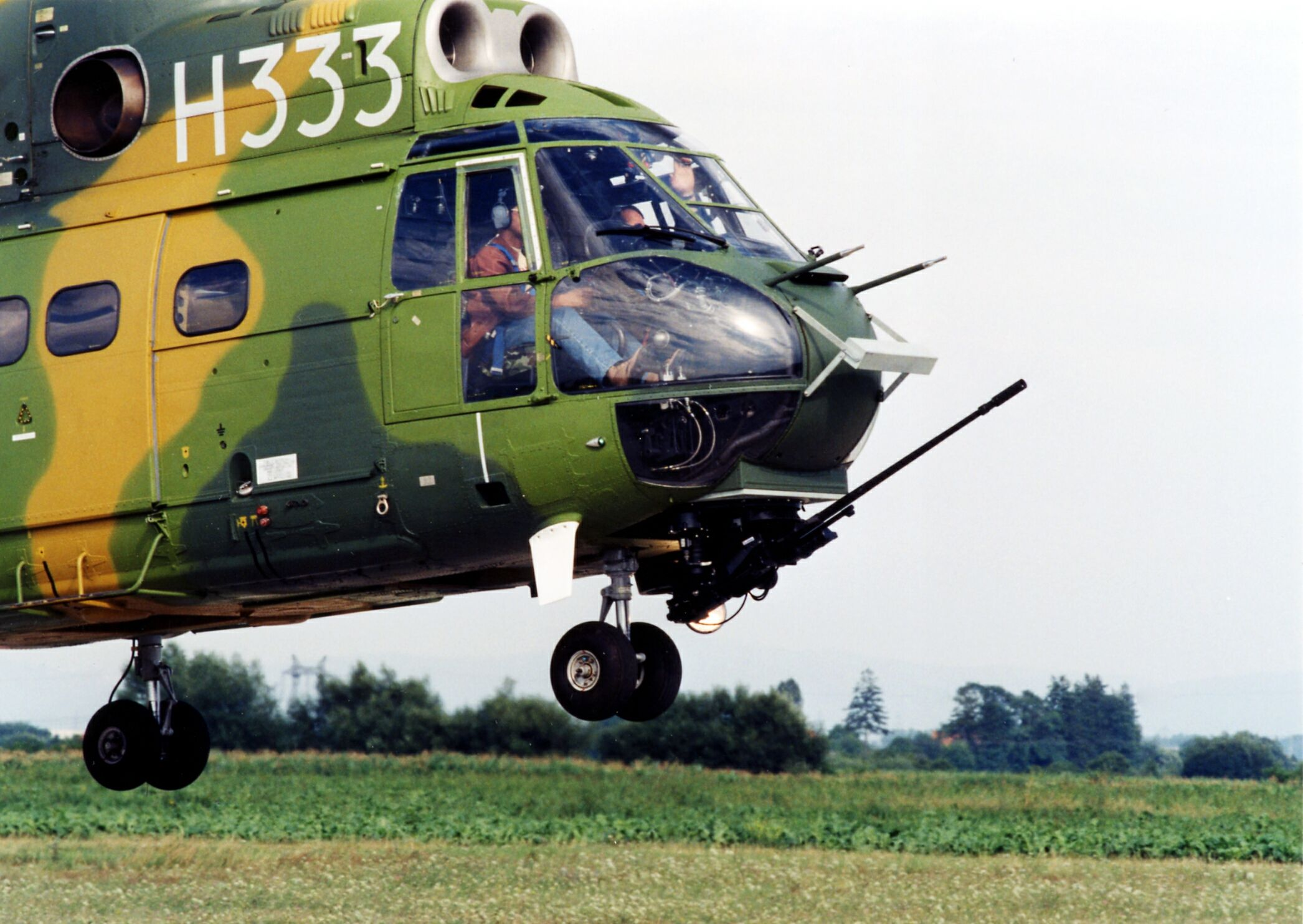
The THL20 will be integrated into the Light Combat Helicopter fleet recently acquired by the Indian Armed Forces. The turret is built around the 20M621 cannon and uses NATO-standard 20x102mm ammunition, with the installation derived from the heavier THL30 architecture associated with Tiger attack helicopters.
KNDS has already supplied 136 THL20 turrets for India’s Advanced Light Helicopter fleet, with the relationship dating to 2006. The 126-unit order therefore represents a substantial follow-on production requirement rather than a first integration effort, while moving the weapon onto a different Indian helicopter programme and increasing the installed base that will require through-life support.
The turret is designed around relatively modest aircraft integration demands for a cannon installation of its class. KNDS lists a total weight of 182kg, an onboard ammunition capacity of 750 rounds, and an average recoil force of 250daN. The company gives the 20M621 a rate of fire of 750 rounds per minute and an effective range of up to 2,000 metres, with the mounting providing ±110 degrees of azimuth and an elevation envelope from -50 to +21 degrees.
Those specifications cover only one part of the integration task. A helicopter gun turret has to operate within the aircraft’s wider sighting, avionics, and weapon-control architecture rather than merely fit beneath the airframe. KNDS says the THL20 can be connected by databus to aiming systems including helmet- or roof-mounted sights. Stabilisation, electrical supply, ammunition feed, recoil loads, and structural interfaces must then be managed within the helicopter’s weight and balance limits.
The system has previously been qualified on the IAR 330 and Indian Advanced Light Helicopter and integrated on Black Hawk aircraft. That history reduces some integration uncertainty, but the scale of the LCH order shifts attention towards repeatable manufacture, acceptance testing, and configuration control. Producing 126 turrets to a consistent standard while managing ammunition and support requirements constitutes a sizeable industrial programme in its own right.
India is simultaneously directing a larger share of defence acquisition towards domestic manufacturing. A recent ₹1.10 lakh crore acquisition package placed about 98% of its proposed procurement with Indian industry, illustrating the policy environment into which the THL20 order enters. Individual contracts still have to establish the exact balance between imported equipment, local production, and through-life support.
KNDS has separately expanded its Indian industrial relationships through agreements with SMPP covering KATANA 155mm precision-guided ammunition and MV 100 loitering munitions. Those programmes are distinct from the LCH turret order, but they show a broader effort to connect equipment sales with Indian manufacturing and support capacity.
As fleet numbers increase, local support becomes more consequential. Even where major assemblies are manufactured abroad, operators require maintenance processes, test equipment, spares, technical data, and qualified personnel close enough to keep the fleet available. Long-term turret support also has to track aircraft configuration changes so that software, sights, ammunition interfaces, and mechanical components remain compatible.
The THL20 illustrates the value of common weapon families. Its 20M621 cannon and 20x102mm ammunition already sit within a wider KNDS portfolio, while India also operates other KNDS-supplied aircraft guns and ammunition. Commonality can reduce some support complexity, although platform-specific integration and qualification work remain necessary for each aircraft installation.
Ammunition forms another recurring requirement. A 126-helicopter turret order creates continuing demand for training and operational stocks alongside inspection, storage, and handling support. Because the 20M621 uses an established calibre, the supplier can connect the turret programme to a mature ammunition family rather than develop a dedicated round solely for the LCH fleet.
The production programme will eventually be judged by more than turret deliveries. Interface management, acceptance testing, maintenance documentation, spares, ammunition availability, and the reliability of the support structure will determine how effectively the weapon remains available after entry into service.
KNDS now has a second large Indian THL20 fleet to support alongside the existing Advanced Light Helicopter installation. The 126-unit order increases the scale of that commitment considerably, placing repeatable manufacturing and long-term support alongside the initial integration work.