IN Brief:
- L3Harris has been selected for Poland’s Miecznik-class frigate programme.
- The company will supply its Integrated Platform Management System.
- The system supports ship automation, safety, reliability, and platform efficiency.
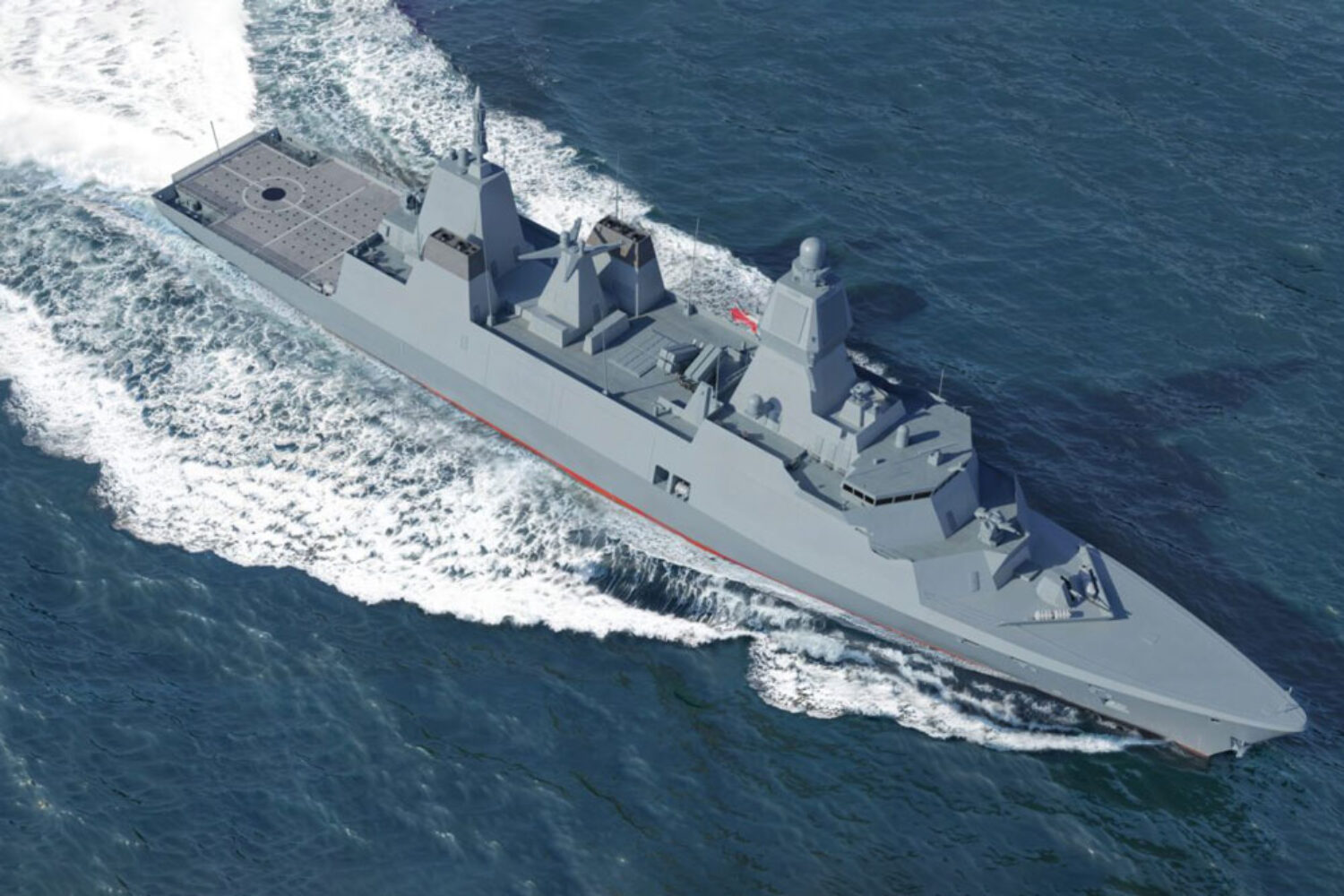
L3Harris Technologies has been selected to provide its Integrated Platform Management System for Poland’s new Miecznik-class frigates.
The contract was awarded by PGZ Stocznia Wojenna, Poland’s state-owned naval shipyard. The IPMS will support ship performance, operational reliability, onboard safety, situational awareness, and efficiency across the Miecznik-class vessels.
The frigates are based on Babcock International’s Arrowhead 140 design and form a central part of Poland’s naval modernisation programme. The L3Harris system draws on a platform management technology base delivered across almost 300 vessels in 28 navies.
An IPMS manages and automates core ship functions, including propulsion monitoring, auxiliary machinery, alarms, damage-control support, and other platform systems. It gives operators a centralised view of machinery and ship-health data, helping crews manage complex vessels with greater consistency.
Automation inside the build
Platform management systems have to be integrated early in naval construction. They connect machinery spaces, control rooms, electrical systems, alarms, sensors, and safety functions across the ship. Installation involves cabling, interface control, software configuration, factory acceptance testing, harbour acceptance testing, and sea trials.
That makes IPMS integration a shipbuilding discipline, not a late software task. Changes in propulsion, power distribution, compartment layout, or auxiliary equipment can affect automation and monitoring. Programme control depends on clean interface management between the shipyard, equipment suppliers, combat-system teams, and platform engineers.
Polish shipbuilding capacity
The Miecznik programme is designed to strengthen the Polish Navy and expand domestic shipbuilding capability. A mature IPMS gives the shipyard a proven automation baseline while retaining work around installation, integration, test, training, and in-service support.
Modern frigates are becoming more power-intensive as they carry larger sensors, electronic warfare systems, communications suites, and combat-management equipment. Platform automation helps crews manage those demands while keeping machinery, power, and safety systems visible during operations.
For Poland, the selection supports a major naval construction programme with a core digital ship-control layer. For the wider market, it reinforces the value of platform management systems as navies build more complex ships with smaller crews and higher availability expectations.