
Land
-
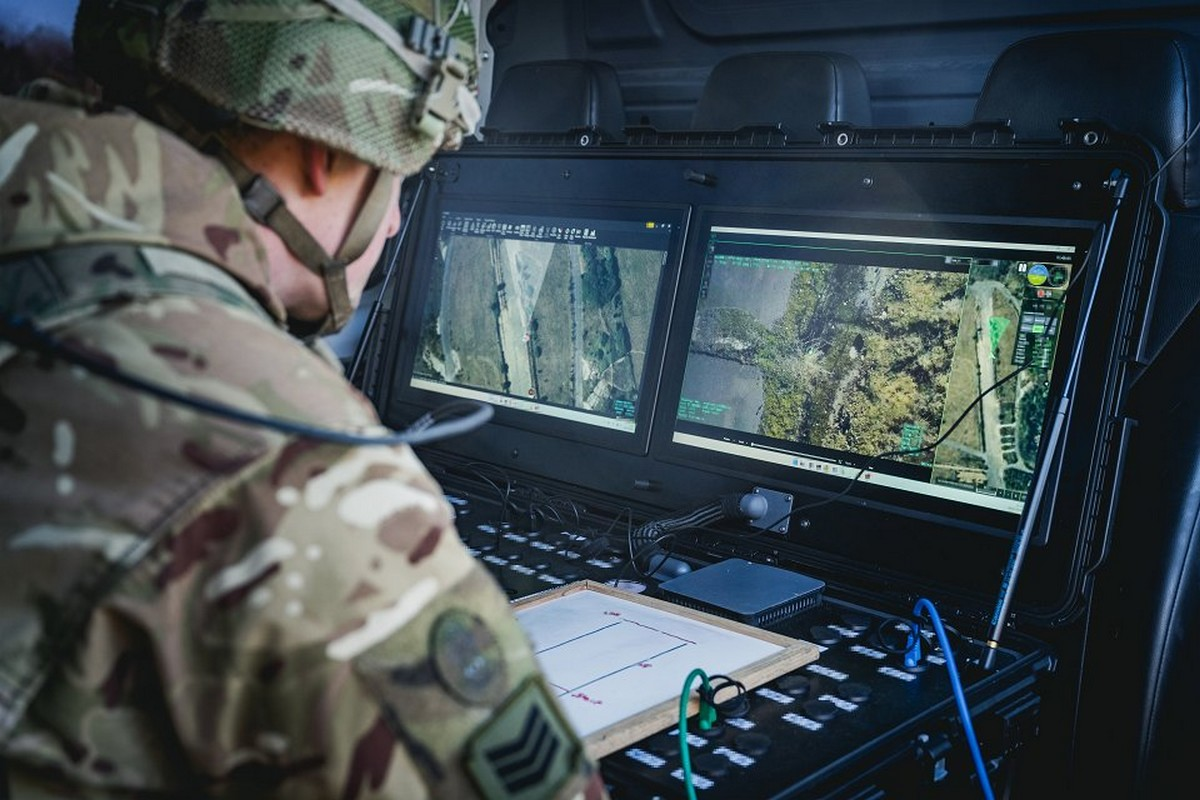
The British Army is pushing AI into battlefield explosive-threat detection. Trials in Essex suggest small uncrewed systems could shorten search cycles and reduce risk for combat engineers and bomb-disposal teams.
-
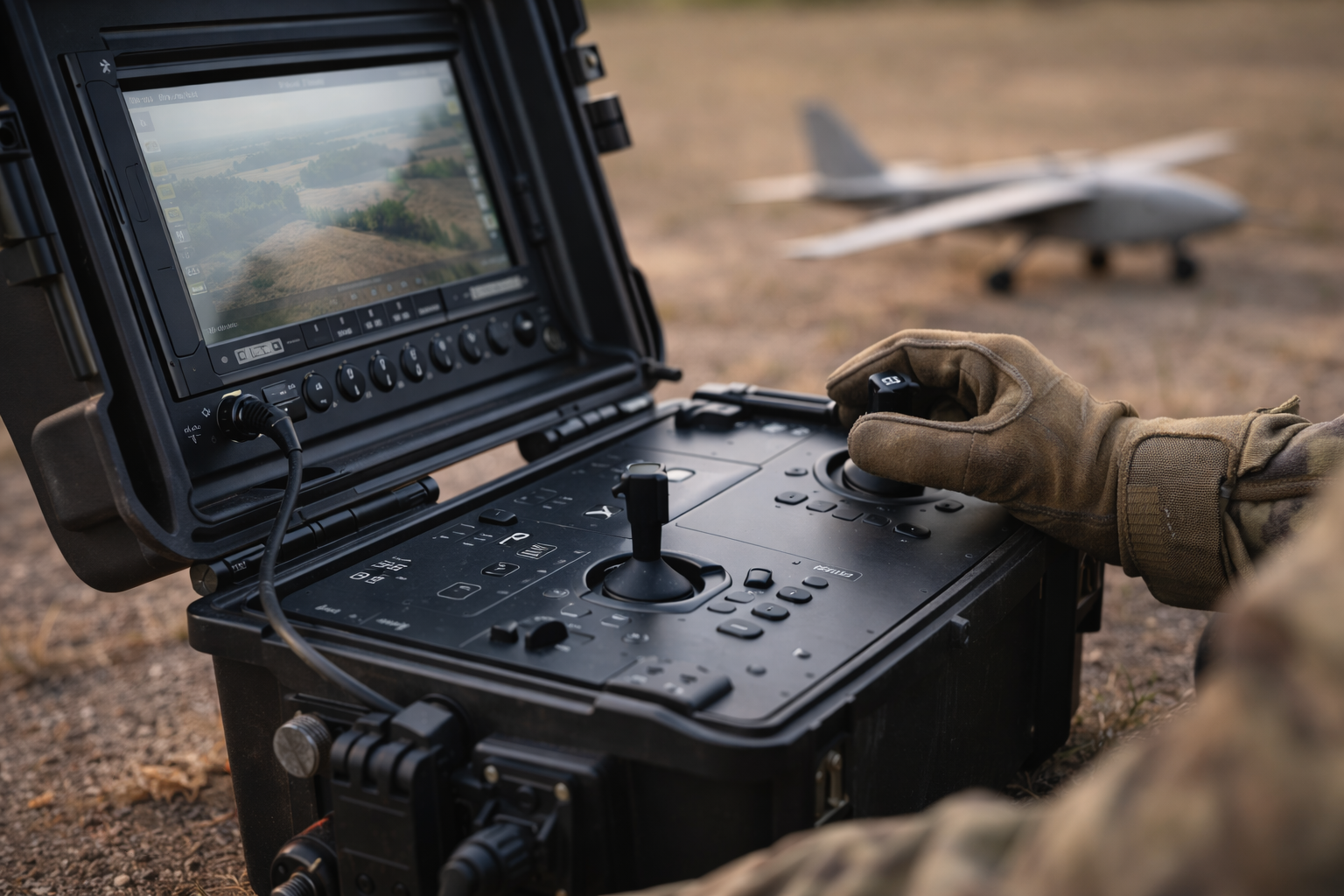
India’s Svaayatt Systems has developed the SGV-500 combat UGV and is preparing it for armed-forces demonstrations, putting a domestically developed, modular land robotics platform into the pre-production spotlight.
-
VAMPIRE production is moving into a more scalable factory phase. L3Harris has opened a Huntsville line built for flexible assembly, testing, and installation as counter-drone demand grows.
-

Honeywell is expanding component capacity for America’s munitions production base. The investment targets navigation systems, missile actuators, and electronic warfare hardware used across defence programmes.
-
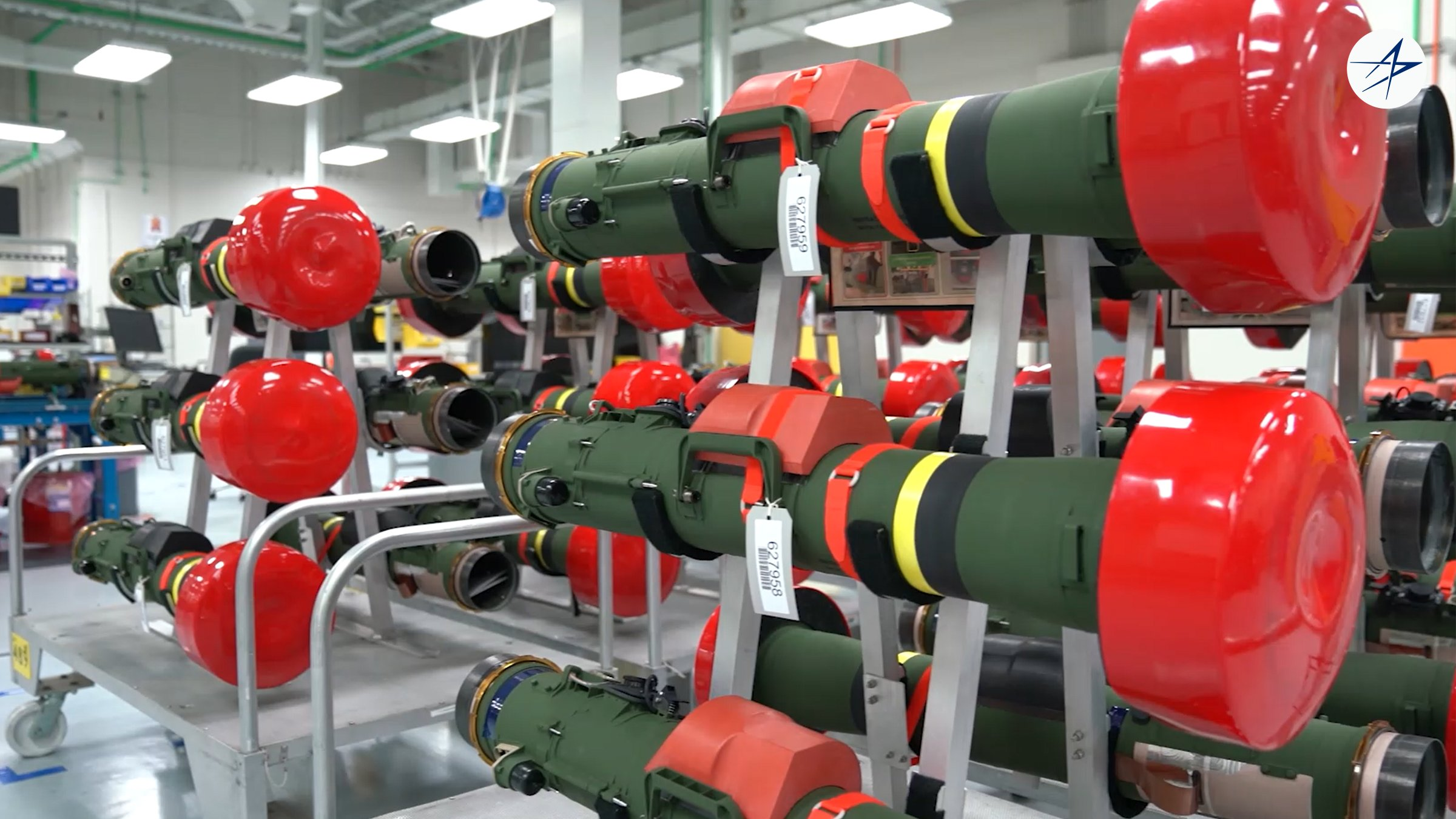
Javelin output growth is forcing suppliers to expand industrial capacity. Lockheed Martin and Raytheon are pushing tooling, testing, and second-source work deeper into the missile supply chain.
-
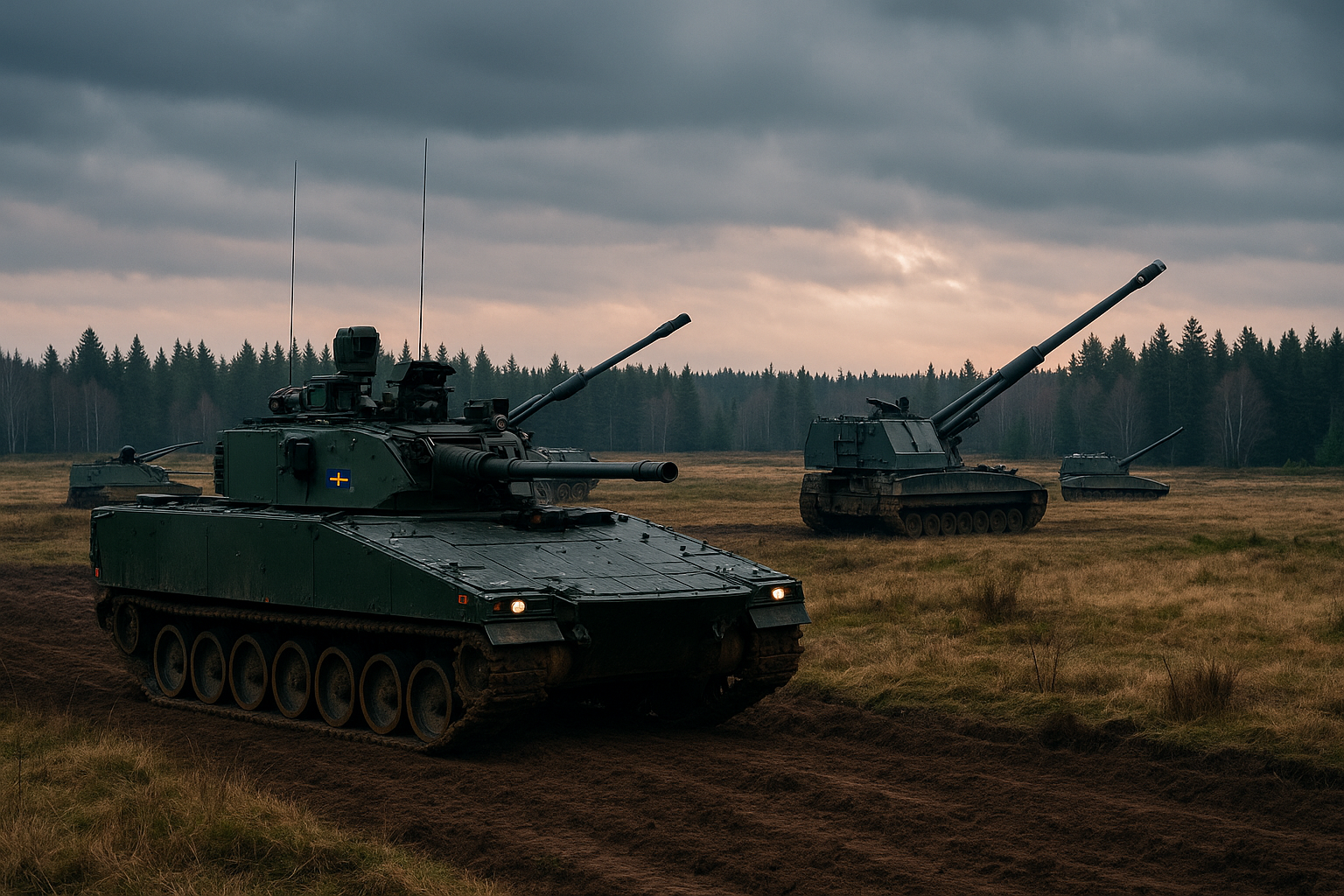
MARTE has moved into Europe’s next tank architecture phase. The programme now turns collaborative ambition into subsystem decisions, interface rules, and the industrial logic needed for a buildable land platform.
-
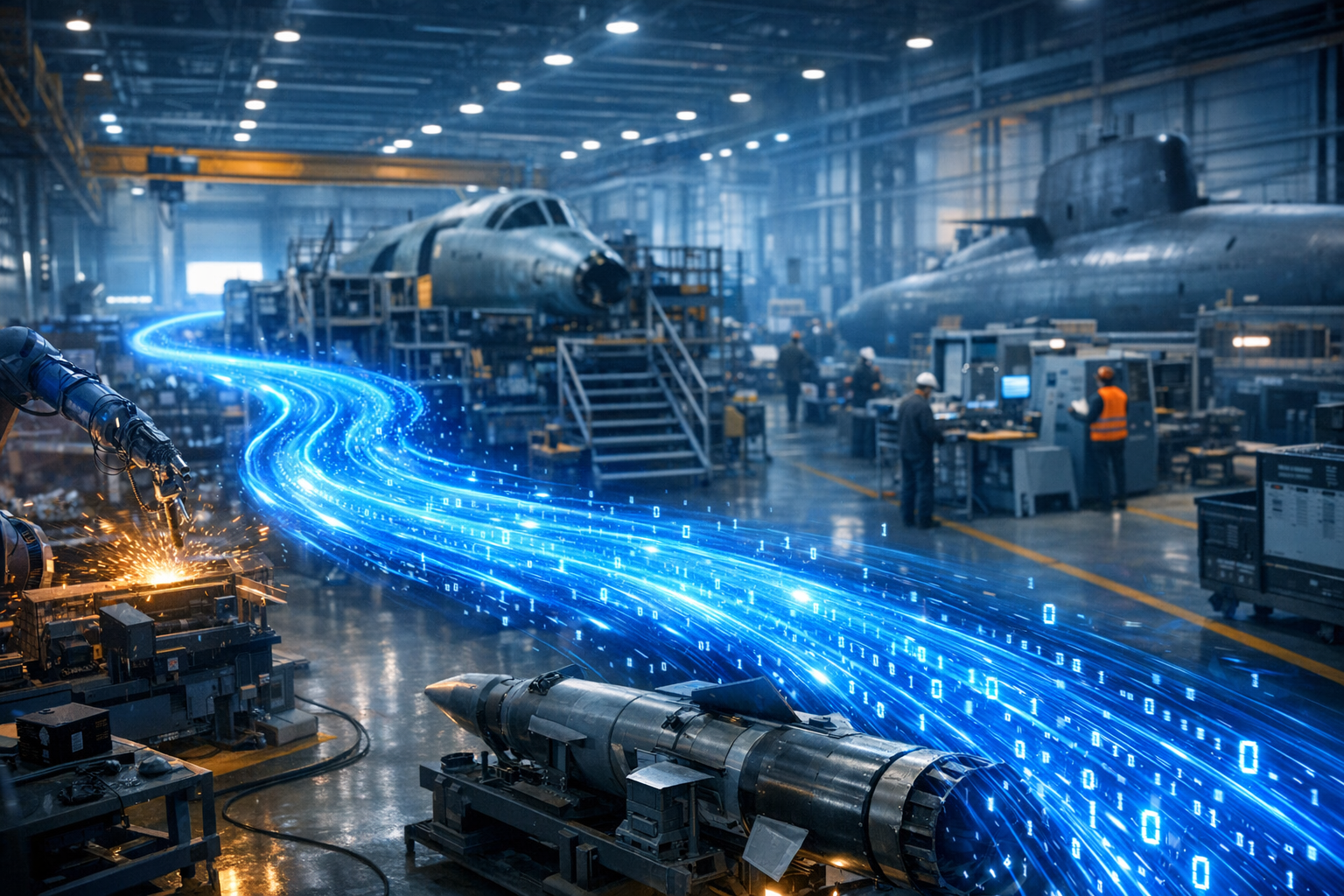
Osnabrück could yet become an air-defence production node. Talks with Rafael point to support equipment manufacturing that sits between automotive restructuring and Europe’s wider missile-defence expansion.
-
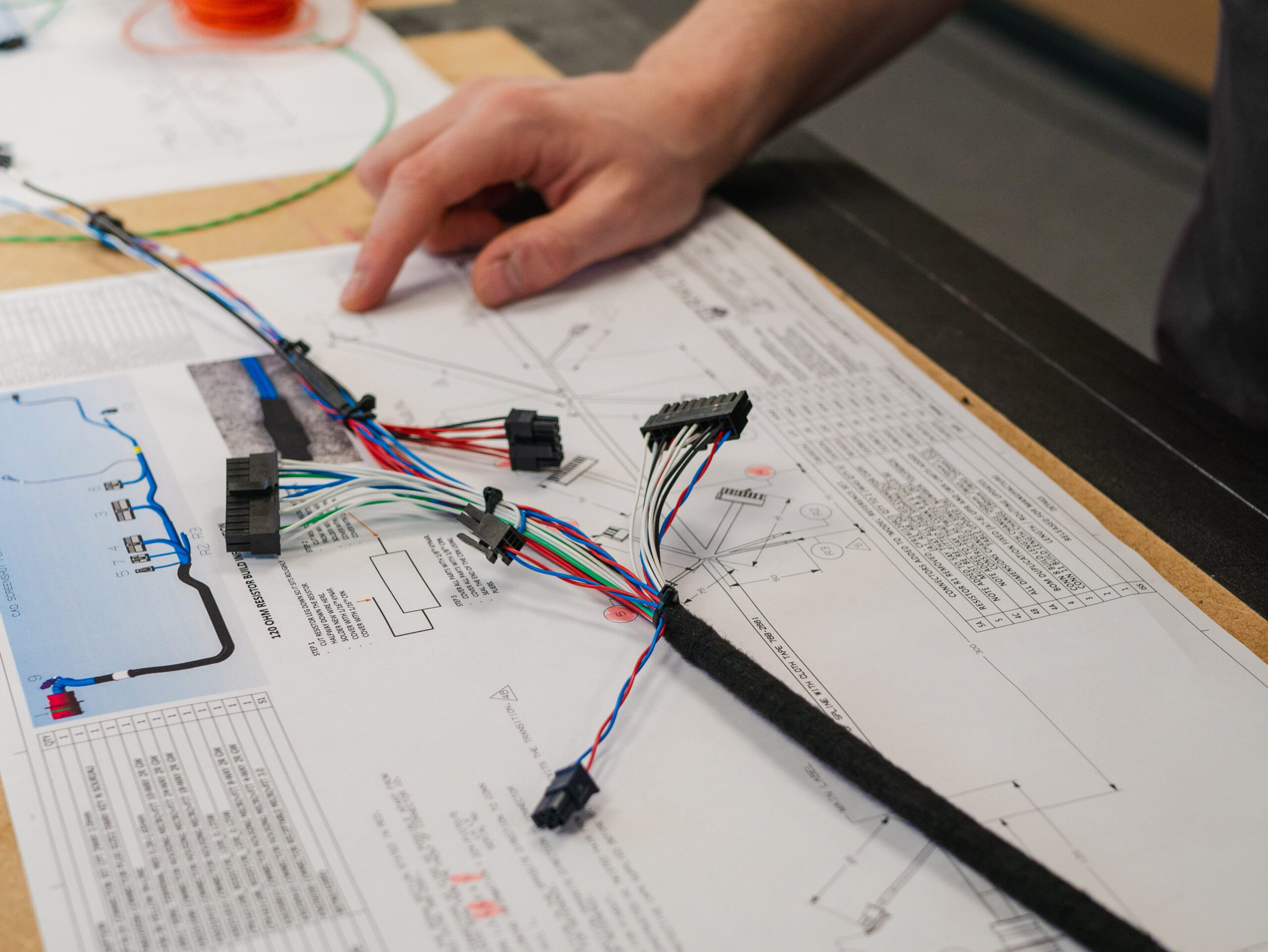
Defence electrification increasingly turns on packaging, cooling, and assembly. RML Group’s DPRTE line-up shows how batteries and harnesses are moving into the military engineering mainstream.
-
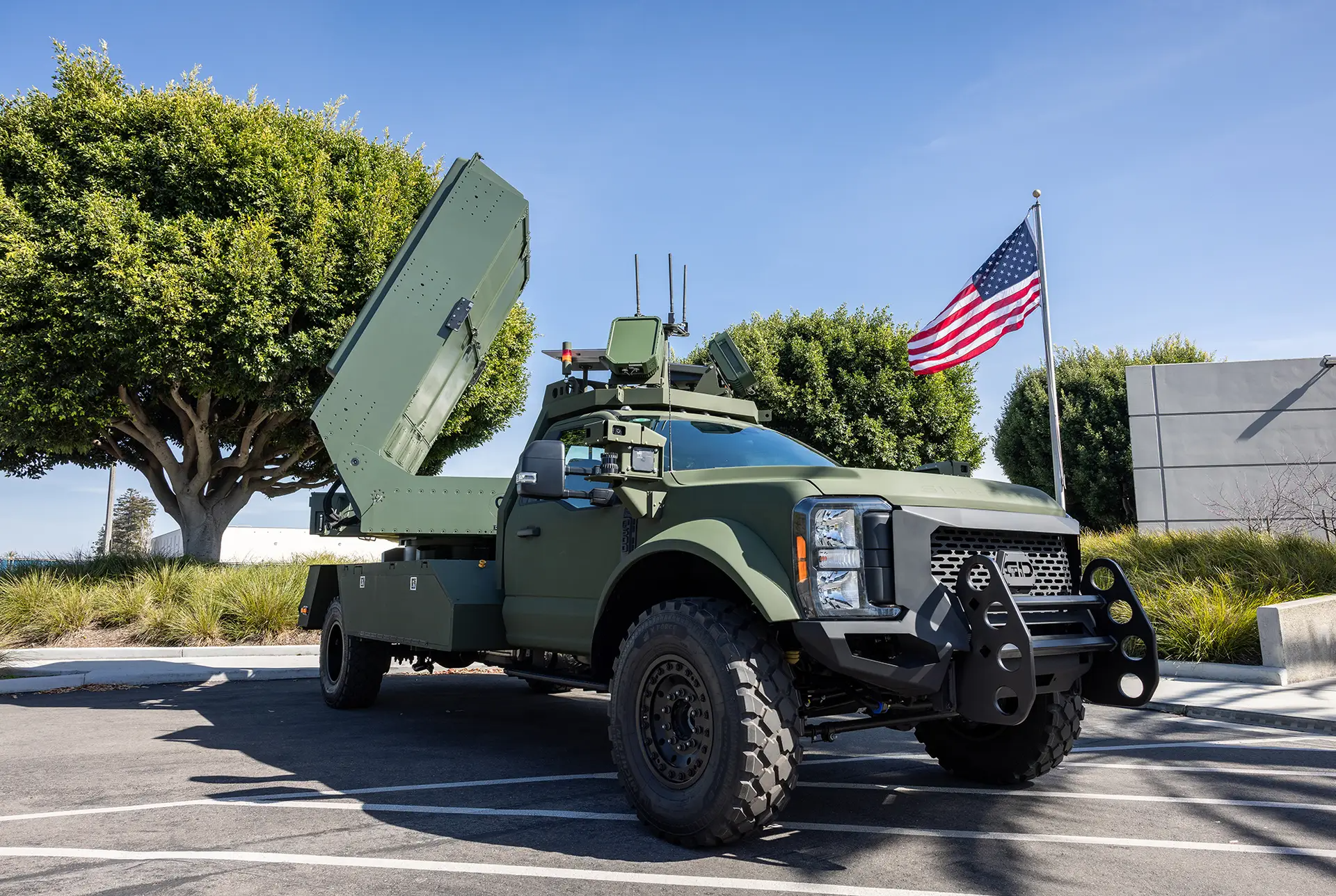
Mobile counter-drone systems increasingly hinge on manufacturable integration architectures. Leonidas AGV blends microwaves, autonomy, and vehicle engineering into a package aimed at scalable defence deployment.
-
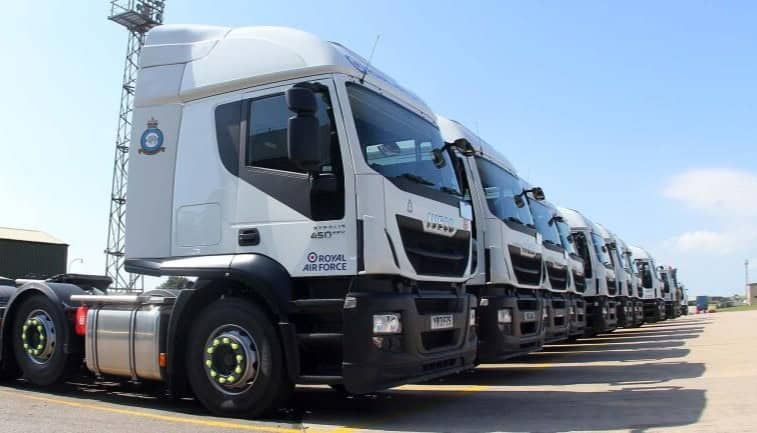
Phoenix 3 turns fleet support into a deeper logistics contract. Babcock’s new MOD award covers procurement, maintenance, accident management, and a bespoke digital fleet platform, underlining how support vehicles remain an industrial readiness issue rather than an administrative afterthought.