IN Brief:
- New Zealand is preparing to acquire human operated, long range one way strike drones.
- Domestic suppliers will receive particular consideration as the requirement develops.
- Local participation could centre on integration, software, airframes, communications, final assembly, and support.
New Zealand is preparing an acquisition process for human operated, long range one way strike drones, creating a potential opening for domestic manufacturers and technology companies.
The planned systems will carry an explosive payload to a target without returning to their launch point, offering a lower cost precision strike option than many conventional missiles. Government procurement activity is expected to invite information from industry, with New Zealand suppliers encouraged to participate.
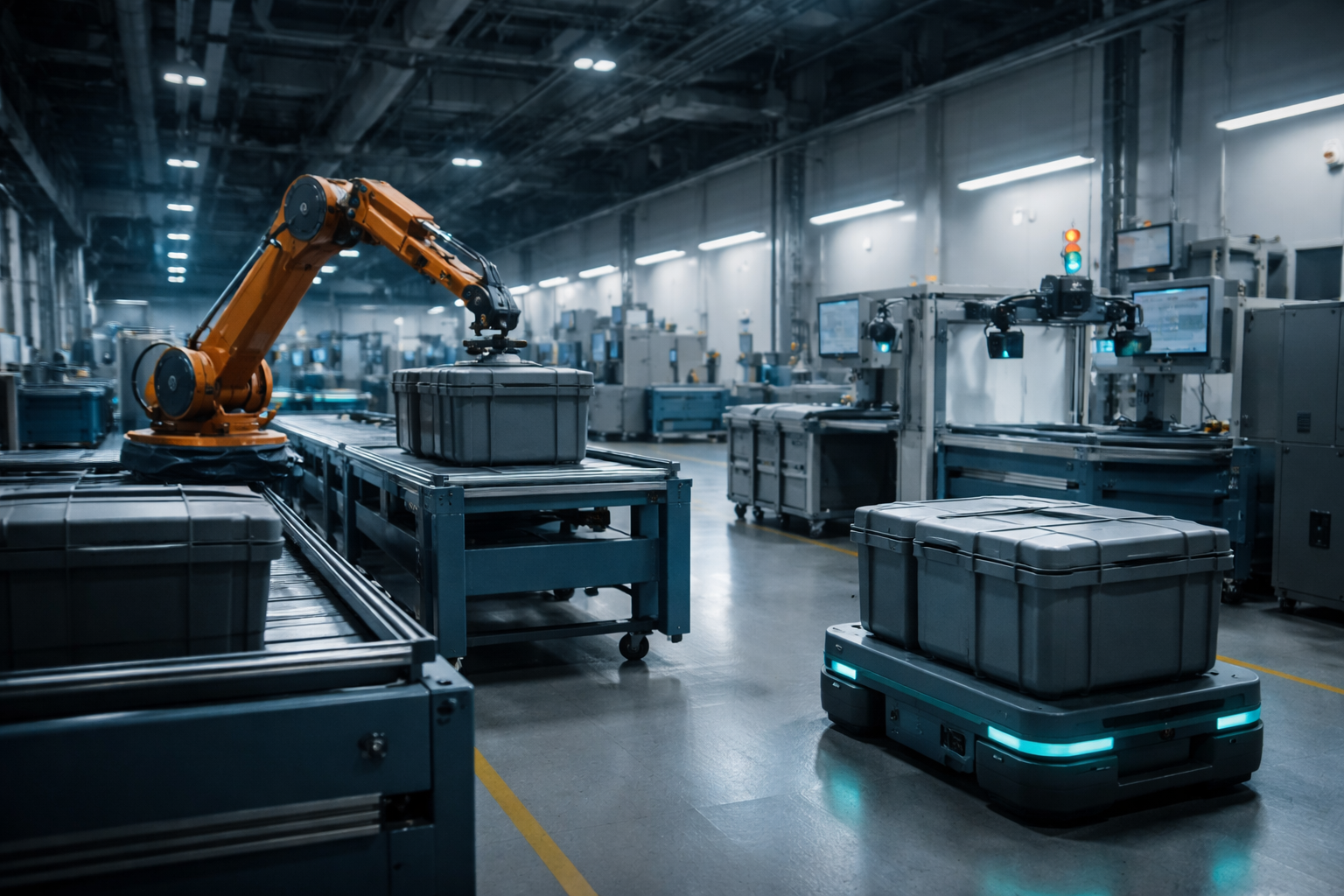
Domestic companies already work across advanced manufacturing, uncrewed aircraft, simulation, digital technology, composites, sensing, and communications. A national programme could bring those capabilities together around a locally integrated product, even when motors, processors, cameras, batteries, or other components originate overseas.
Loitering munitions sit between reusable drones and conventional guided weapons. Their airframes must be inexpensive enough for expendable use, yet the complete system still requires dependable navigation, flight control, sensing, communications, safety functions, payload integration, and operator software.
Every vehicle must survive storage, transport, handling, launch, and exposure to the intended operating environment before performing correctly on demand. Batteries may degrade while held in inventory, seals can age, connectors can corrode, and software can diverge if updates are not controlled across operational and training stocks.
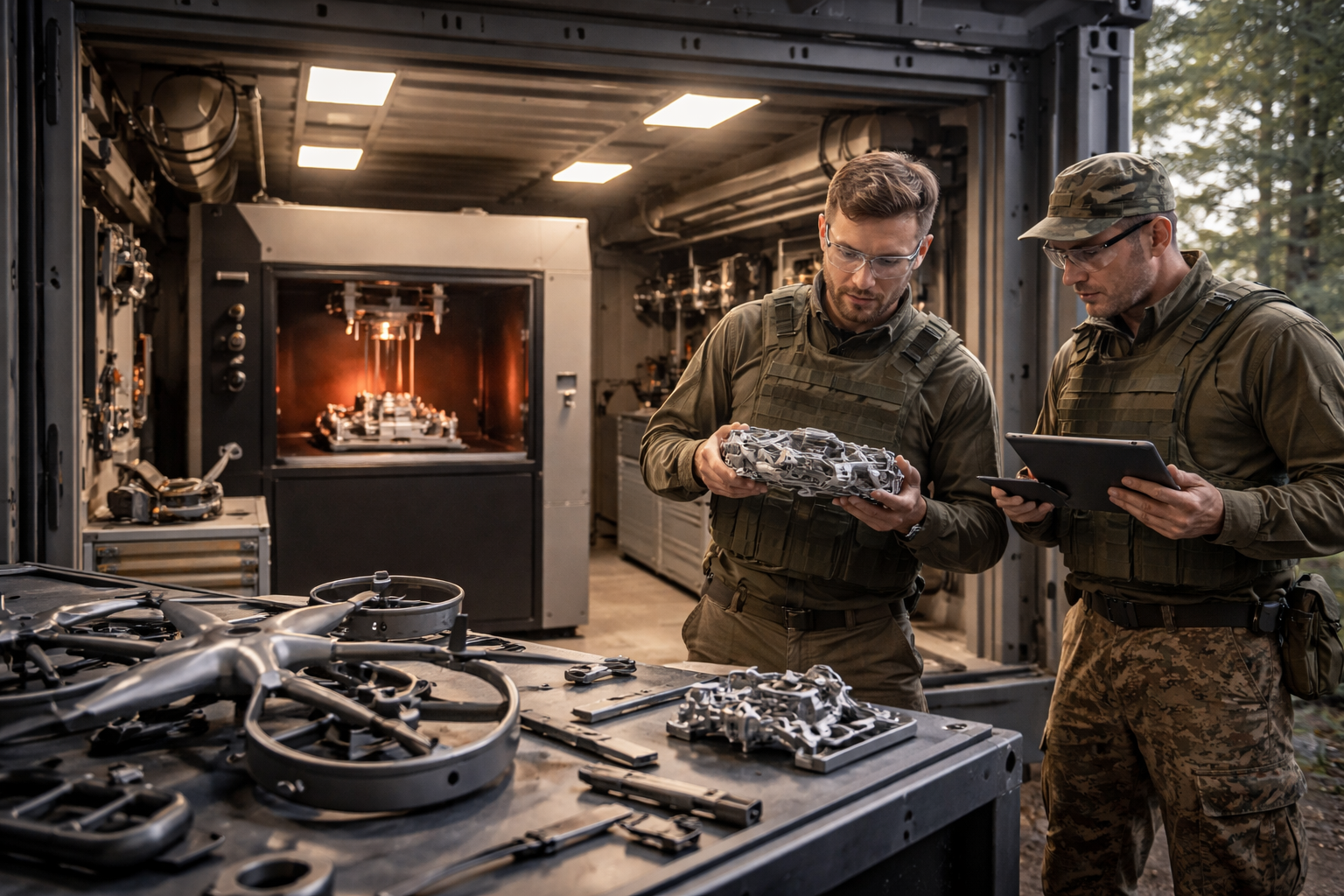
Warhead and fuze integration introduce disciplines that many commercial drone developers do not possess. Energetic materials, safe and arm mechanisms, insensitive munitions requirements, fragmentation behaviour, blast effects, storage rules, and transport classifications all demand specialist facilities and documented engineering authority.
New Zealand companies could partner with an established weapons producer for those elements while retaining responsibility for airframes, software, communications, final assembly, and system integration. Such an arrangement would provide greater local control without requiring the domestic market to reproduce every mature subsystem.
Communications will be one of the harder technical choices. A human operated weapon needs a secure and dependable link for command, video, and mission updates, yet electronic warfare can disrupt control frequencies and satellite navigation. Antennas, encryption, waveform design, autonomy, processing, and bandwidth must be balanced against size, weight, power, and cost.
The procurement should therefore look beyond range and payload. Component origin, export restrictions, software ownership, cybersecurity, production capacity, storage life, training equipment, support arrangements, and upgrade rights will determine whether the weapon remains usable after its first delivery.
New Zealand’s geography favours systems that can be transported easily and operated from dispersed locations with a modest support footprint. Long coastlines and maritime approaches may also encourage designs capable of contributing to surveillance or targeting before a strike decision is made.
A relatively small national inventory places greater weight on commonality. Separate airframes, controllers, batteries, launchers, and training systems can consume support resources quickly, while a coherent product family may allow the same personnel and equipment to serve several mission variants.
Sovereign capability does not require every electronic component to be manufactured domestically. Processors, cameras, motors, radios, and navigation equipment come from international markets in which New Zealand demand will remain small. Control over mission software, final assembly, test, maintenance, and configuration may provide a more durable form of independence.
Production planning must also accommodate rapid technical change. Commercial drone components may be replaced within a year, while military acquisition normally expects a stable baseline supported for much longer. Contracts need mechanisms for planned substitutions without allowing untested variation across delivered weapons.
Poland has already moved further along that path, using contracts for GLADIUS, FLYEYE, and WARMATE to expand unmanned strike production. Its industrial base is much larger, but the underlying lesson remains relevant: reconnaissance, communications, command software, strike vehicles, and production capacity develop more effectively as a connected system.
New Zealand’s trials should examine wind, rain, difficult terrain, electronic interference, operator workload, and the time required to prepare and launch each vehicle. Abort procedures, safe recovery where available, training burden, and maintenance activity should carry equal weight with target accuracy.
A system capable of impressive performance during a controlled demonstration can still fail as a military product when batteries, launch rails, spares, software, or qualified operators are unavailable. Production readiness must therefore be measured across the complete support package.
Local preference gives New Zealand industry an opportunity to enter a growing weapons market, but the successful supplier will have to combine rapid development with controlled manufacturing. Traceability, safety, repeatability, and through life support will decide whether a promising drone becomes a dependable national capability.