
News
-
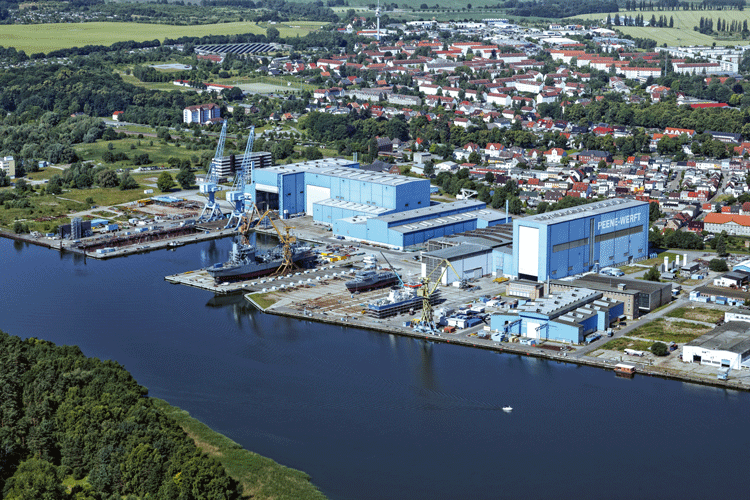
Germany plans a fourth Class 424 intelligence vessel for procurement. The proposal accompanies the third ship’s keel-laying at Rheinmetall’s Wolgast yard, while the first new vessel is due to enter service from 2029.
-
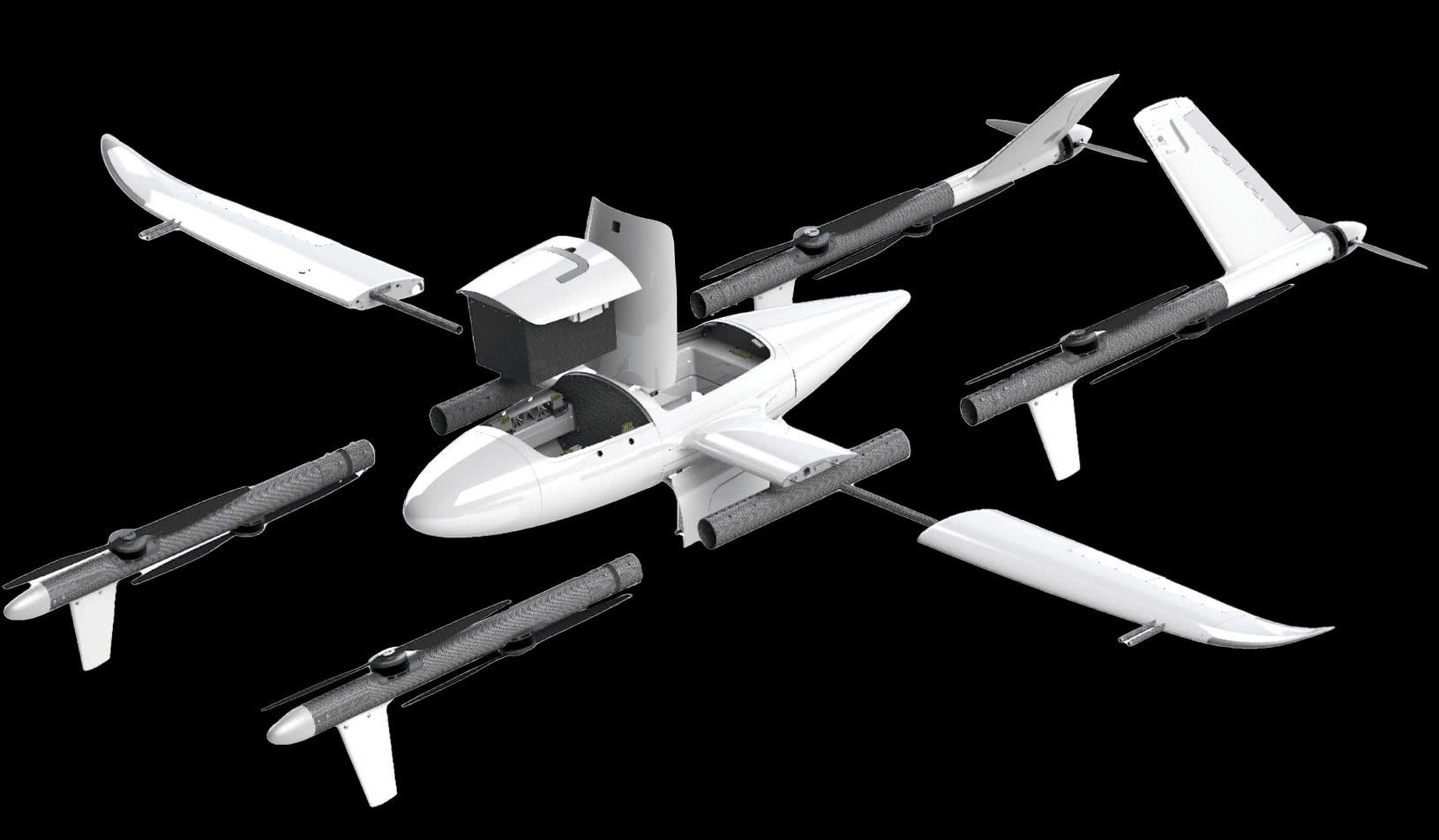
Kite Aero has begun KITE aircraft production at Geelong facilities. Sykes Advanced Manufacturing will build the autonomous logistics platform using Australian composite-manufacturing capacity aligned with allied supply-chain requirements.
-
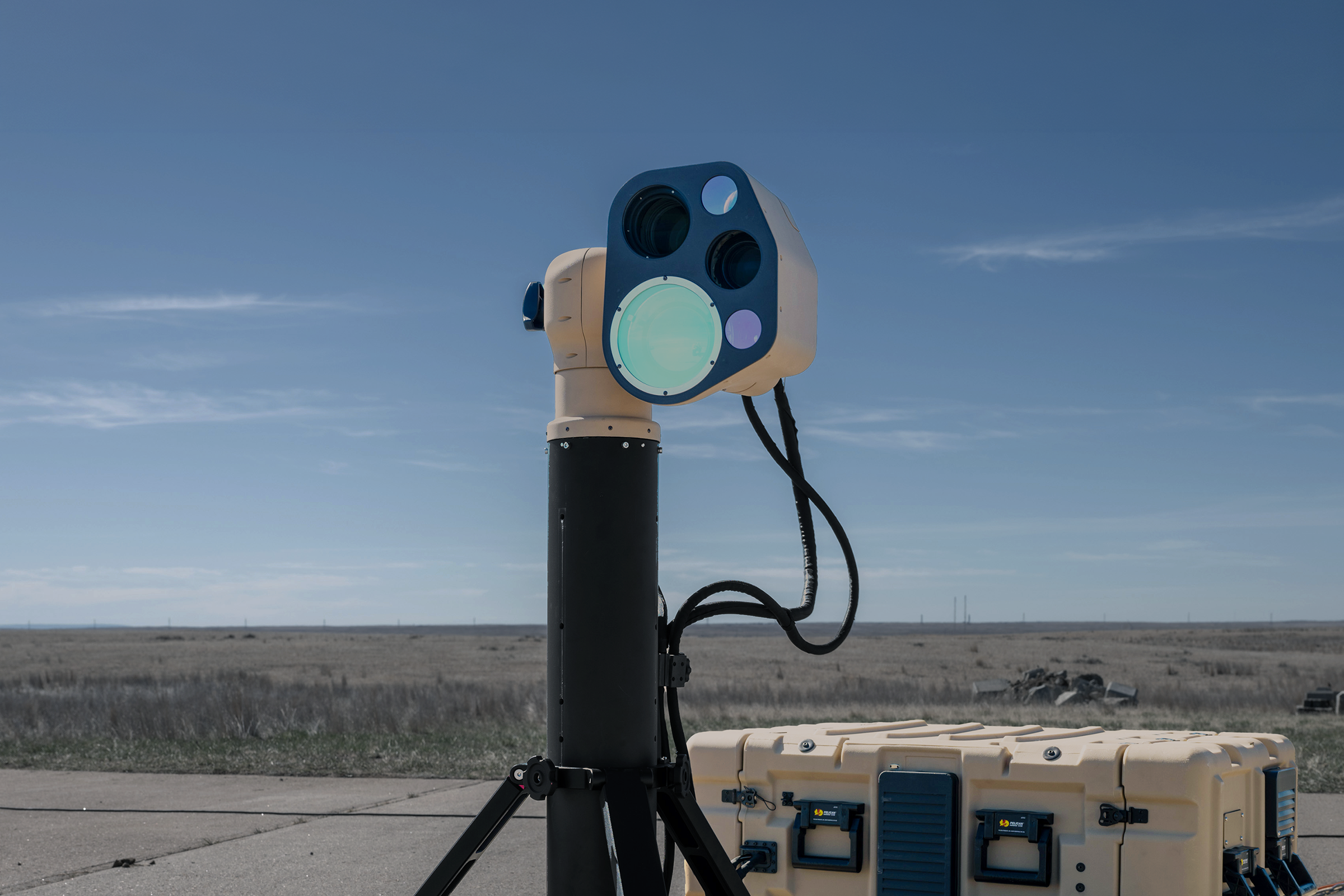
DroneShield is integrating AIM Defence’s Fractl laser into DroneSentry architecture. The collaboration adds a directed-energy hard-kill option to an open counter-UAS system already combining RF sensing, electronic warfare, sensor fusion, and command-and-control.
-
France has selected Airbus and Unseenlabs for future SIGINT satellites. CASSIOPÉE will replace CERES by 2032, combining Airbus’s S250 spacecraft platform with Unseenlabs payload, processing, and mission-planning expertise.
-
SPARC AI has launched Overwatch Patrol for GPS-denied dismounted navigation. The application adds shared team positions and rally points while the company explores integration with tactical radio networks following demonstrations in Poland.
-
Hensoldt’s corrected Army rangefinder contract is valued at $65.5m overall. The five-year sole-source award covers Eyesafe Laser Rangefinders with containers and replaces a government notice carrying the wrong value and award date.
-
Northrop Grumman has secured a new US ammunition contract vehicle. The $20m IDIQ covers non-standard ammunition through October 2027, with individual orders determining products, quantities, production locations, and funding.
-
Onebrief has secured a $20m US Army software contract vehicle. The one-year IDIQ covers commercial software platforms as Army command-and-control modernisation increasingly adopts modular commercial tools and shared data architectures.
-
Northrop Grumman will manufacture additional B-2 hot trailing edge components. The $18.7m DLA modification extends Utah-based production through July 2029 for a specialised part of the bomber’s composite sustainment chain.
-
BlueHalo has secured a $99.8m US orbital research contract vehicle. AFRL’s LOBO programme begins with two task orders and will support space-system research activity through August 2031.