IN Brief:
- The Netherlands and Naval Group have widened the industrial framework supporting Orka and F21.
- Additional Dutch companies can pursue submarine, torpedo, manufacturing, integration, and support work.
- Qualification, acoustic performance, design control, production continuity, and through-life engineering will govern lasting value.
The Netherlands and Naval Group have amended their industrial cooperation agreement to bring additional Dutch companies into the Orka-class submarine and F21 heavyweight-torpedo programmes.
Signed on 17 July, the amendment expands a framework established in September 2024 for 20 years of cooperation between Naval Group, Dutch companies, SMEs, technology specialists, and research organisations. It follows the Netherlands’ separate F21 procurement contract and creates a wider route for domestic suppliers to secure manufacturing and support work.
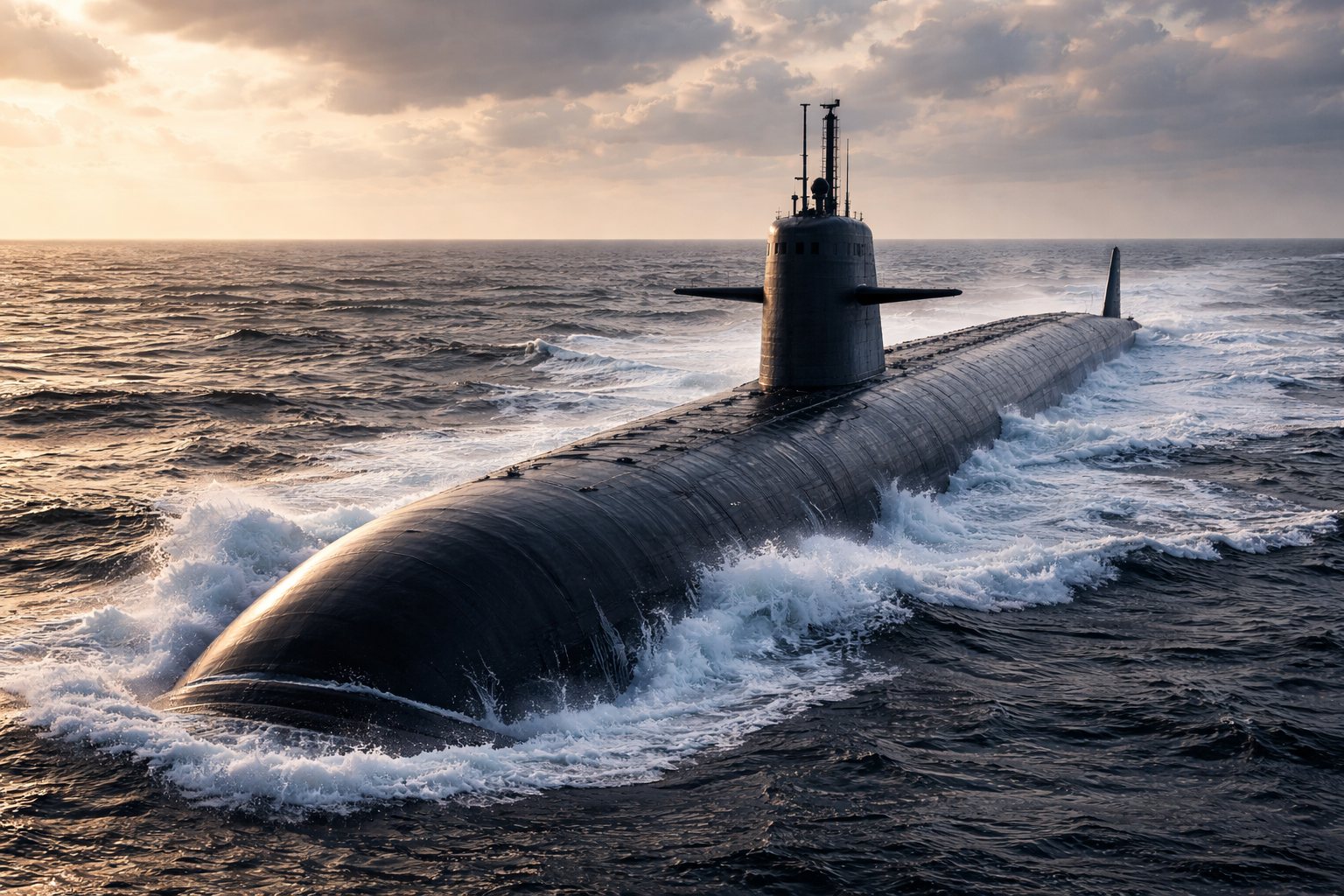
Four Orka-class submarines are planned to replace the Royal Netherlands Navy’s Walrus class. The programme combines a Naval Group design with Dutch requirements, local industrial participation, combat-system integration, infrastructure, training, and long-term sustainment.
Submarine procurement binds a customer to an overseas design authority for several decades, so domestic workshare has value beyond employment. Local engineering and maintenance capacity can reduce dependence on the original shipyard for routine repairs, modifications, and fault resolution throughout the fleet’s life.
Potential Dutch contributions span metal structures, mechanical systems, electronics, software, communications, sensors, coatings, maintenance equipment, training tools, and engineering services. The amendment broadens access to those opportunities but does not remove the qualification burden attached to them.
Commercial marine experience alone is rarely sufficient. Components and materials need traceability, security clearance, controlled configuration, and evidence that they can tolerate shock, vibration, pressure, humidity, electromagnetic interference, and demanding acoustic limits.
Acoustic performance makes apparently ordinary equipment consequential. Pumps, bearings, mountings, pipework, and rotating machinery can generate noise that affects a submarine’s ability to remain undetected, requiring suppliers to change tolerances, balancing methods, isolation systems, and test procedures.
Space and weight are equally restrictive. Equipment must fit within tightly controlled envelopes while preserving maintenance access and buoyancy calculations, and a late alteration to one component can force changes to cabling, ventilation, foundations, or neighbouring systems.
Naval Group must retain design control while allowing Dutch suppliers enough technical access to manufacture and support their equipment. Stable interfaces, disciplined change procedures, and timely release of design data will determine whether local participation supports the schedule or becomes another source of delay.
The F21 torpedo creates a parallel industrial route. The Netherlands will become the first NATO operator of the weapon from a diesel-electric submarine, adding integration, training, maintenance, test, and support requirements around the Orka build.
The original Dutch F21 agreement placed weapons integration directly inside the submarine programme. The amended cooperation framework now extends attention towards the companies that may support the torpedo’s manufacture, handling, diagnostics, and through-life maintenance.
Heavyweight torpedo work carries its own quality and security regime. Propulsion, energy systems, guidance electronics, sensors, control surfaces, warhead interfaces, and software must remain reliable after long storage, repeated handling, and maintenance cycles.
A domestic support base could improve availability by shortening diagnostic and repair times while giving Dutch engineers a deeper understanding of the interfaces between submarine and weapon. That knowledge becomes particularly useful when software, sensors, or combat systems are upgraded later.
Qualification for Orka may also open access to Naval Group’s broader international supply chain. Dutch companies that demonstrate competitive price, repeatable quality, and secure production could pursue work on French or export programmes, although approvals will not transfer automatically.
Supplier investment must be matched by credible volume. Secure facilities, specialist tooling, test equipment, and certification are difficult to justify for a small initial order, while long-term maintenance and upgrade work can provide the continuity needed to retain workers and processes after construction peaks.
The Netherlands has a strong maritime, electronics, and high-technology base, yet submarine programmes expose the gap between broad national competence and programme-specific approval. The amended agreement gives companies a route to close that gap, rather than guaranteeing that every proposed supplier will succeed.
Schedule pressure will remain acute as detailed design and production progress. Bringing new suppliers into a mature programme can create disruption if requirements, interfaces, or documentation are incomplete, so qualification work needs to be integrated into the same critical path as shipyard activity.
Industrial cooperation should consequently be managed as part of submarine delivery rather than as a separate economic commitment. A delayed component, incomplete test record, or failed approval can affect the vessel schedule as directly as work inside the main construction yard.
The amendment widens the Dutch footprint behind Orka and F21, but its lasting value will be measured after the four submarines have entered service. Technical authority, maintenance competence, exportable skills, and a viable supplier base will determine whether local participation becomes a durable national capability.