IN Brief:
- Taiwan’s Han Kuang exercise will test the relocation of military production and mobilisation of civilian factories.
- Work associated with the Armaments Bureau’s 202nd Arsenal will be moved towards alternative assembly capacity.
- Distributed output will require pre-qualified suppliers, controlled technical data, secure logistics, and repeatable quality assurance.
Taiwan is preparing to test whether weapons production can be moved away from established military factories and continued through civilian industrial capacity during a major attack.
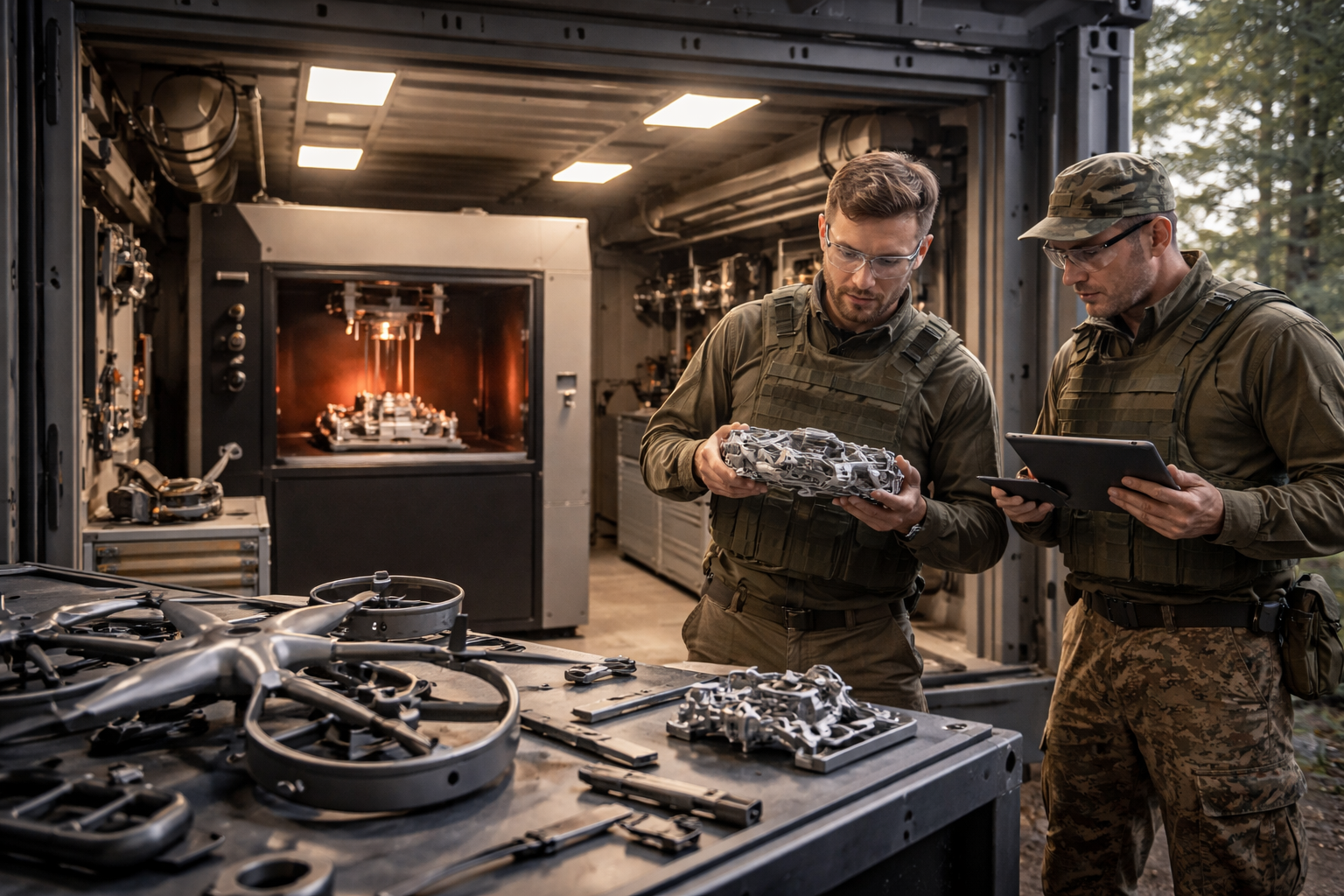
The manufacturing exercise will form part of the Han Kuang drills scheduled for 5–14 August. One element will examine the wartime relocation of production associated with the Armaments Bureau’s 202nd Arsenal in Taipei, while civilian factories will be mobilised to support assembly outside the normal defence-production network.
Moving personnel and selected machinery away from a threatened site is comparatively straightforward; rebuilding a controlled production process inside an alternative factory is considerably harder. Tooling, drawings, gauges, specialist materials, secure communications, inspection equipment, and approved work instructions must arrive together, while operators need to understand which processes can be transferred and which remain tied to permanent infrastructure.
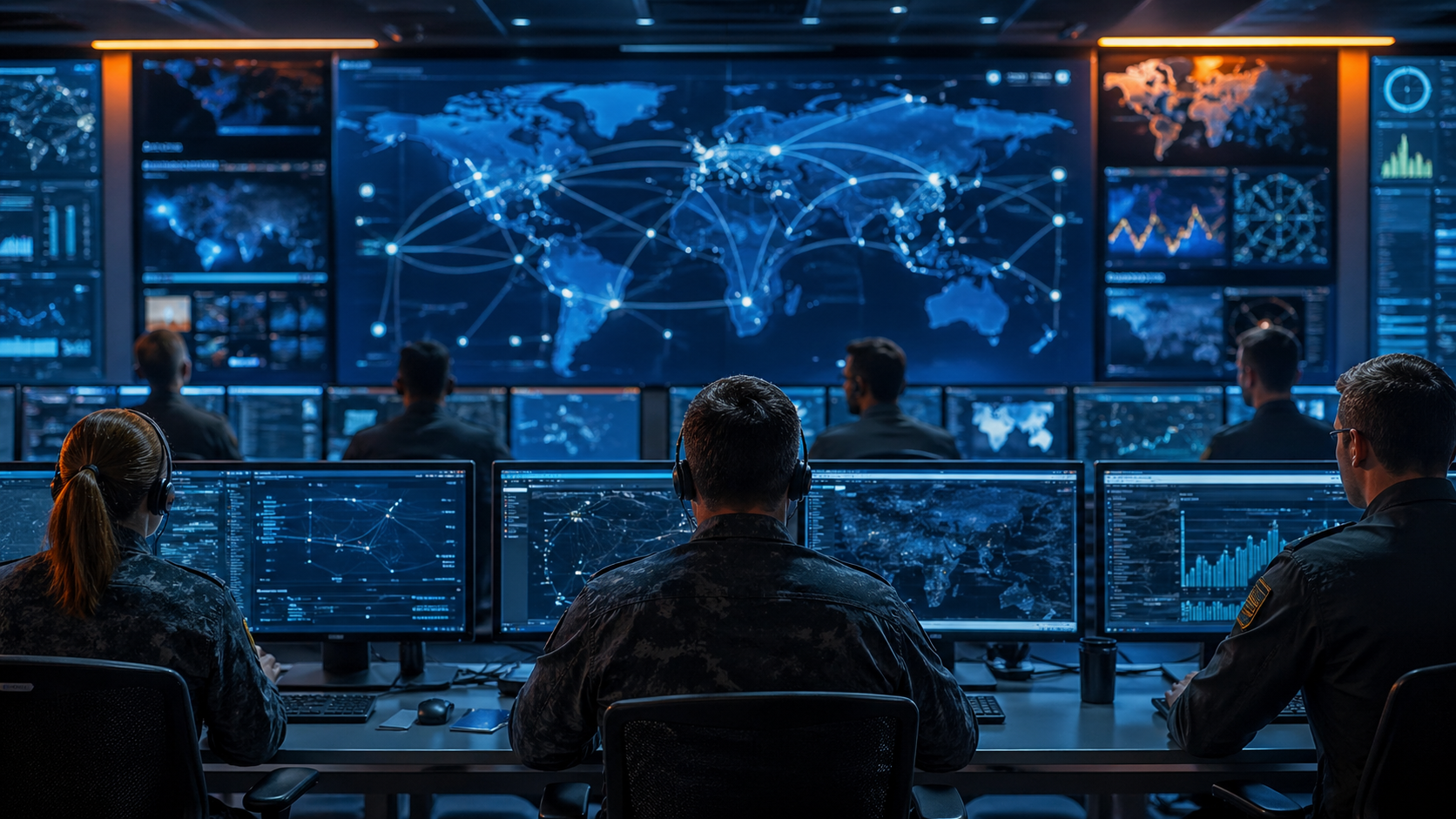
Taiwan will also test measures intended to keep critical supplies moving, maintain maritime access, and operate with degraded communications. Mobile internet services will be deliberately slowed during part of the exercise, forcing participating organisations to work without assuming that production systems, cloud services, supplier portals, and routine communications will remain continuously available.
Fixed defence factories are identifiable, difficult to conceal, and generally connected to predictable road, power, water, and communications networks. They also contain specialist machinery that cannot always be dispersed quickly. A strike need not destroy an entire plant to disrupt output, since damage to a transformer, precision machine, material store, inspection laboratory, or loading route can remove a critical production stage.
Mobilising factories without losing process control
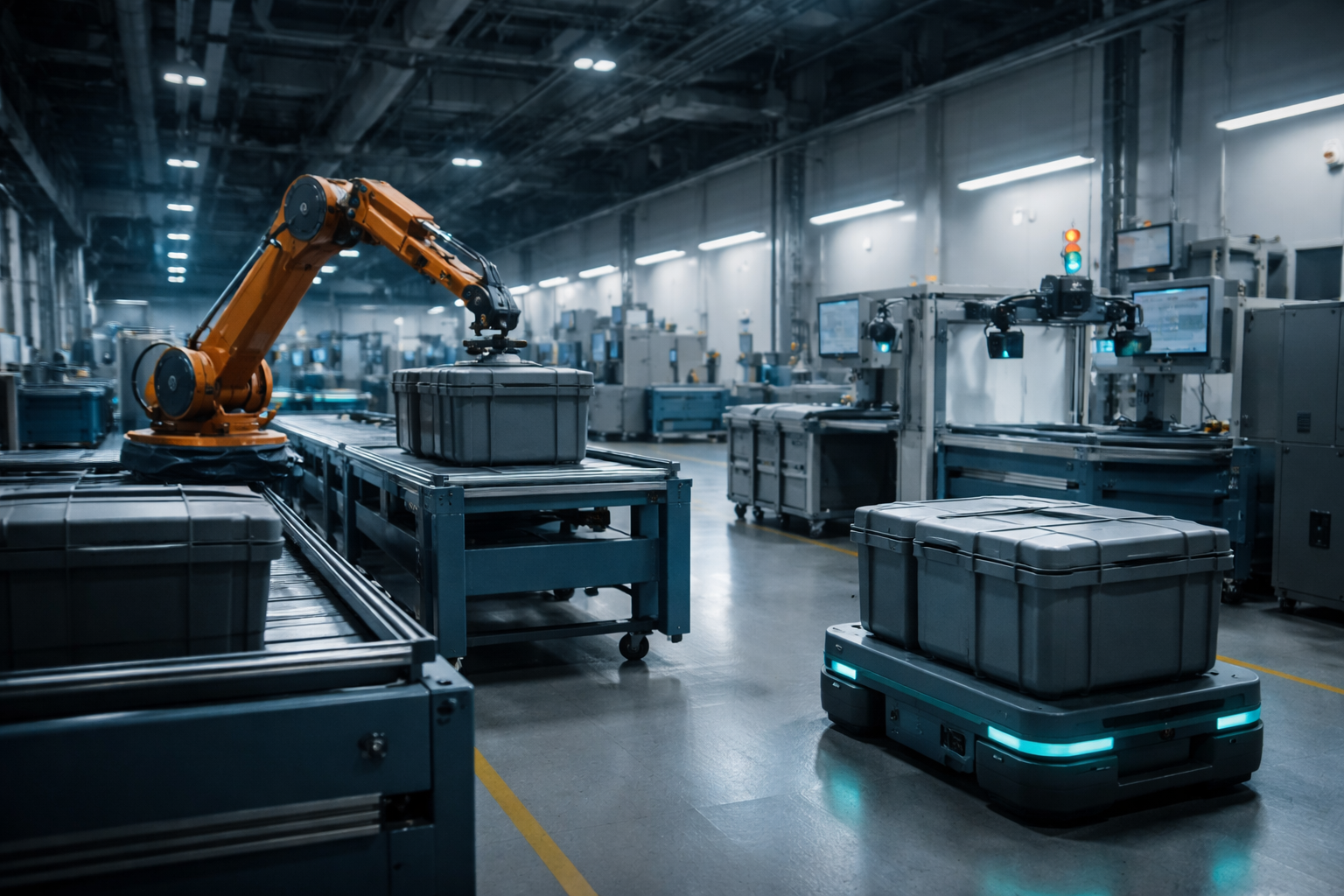
Civilian capacity can provide additional machine tools, fabrication space, electronics assembly, warehousing, and skilled labour, but a commercial factory cannot be converted into an arsenal merely by changing its order book. Defence products require material traceability, controlled specifications, configuration records, acceptance criteria, secure data handling, and formal authority for design changes.
Where complete systems are involved, the transfer becomes substantially more demanding. A factory assembling mechanical subcomponents may absorb work quickly when drawings, fixtures, and inspection equipment are available, whereas whole-system assembly requires electronics, software loading, calibration, integration testing, packaging, and final acceptance. Ammunition and energetic materials add licensing, separation distances, environmental controls, specialist storage, and safety procedures that many civilian sites cannot provide.
Alternative factories therefore need to be identified before a crisis, with their equipment mapped against specific defence requirements. Prepared transfer packages would include approved digital models, manufacturing instructions, bills of material, test routines, tooling requirements, and routes to engineering authority. Suppliers would also need secure offline access to technical data if external networks were disrupted.
Power resilience will be equally important because precision machining, heat treatment, environmental testing, electronics production, and software-controlled assembly all rely on stable electricity. Backup generation can keep selected equipment operating, but maintaining an entire factory at full load is more demanding. Fuel supply, cooling water, compressed air, ventilation, and waste handling may become constraints even when the principal production machines remain intact.
Taiwan’s distributed manufacturing strategy is already widening through autonomous maritime systems being developed by Saronic and NCSIST, while AIDC’s AIxVNAV navigation programme is intended to make GPS-denied performance available across a broader drone supply chain. Both programmes depend upon local integration capacity rather than imported platforms alone.
Commercially capable suppliers still need defence-specific security, qualification, and integration processes before that capacity becomes useful during mobilisation. Semiconductor expertise does not automatically translate into missile-electronics production, just as an automotive machine shop cannot assume responsibility for a weapon component without the necessary material, dimensional, and documentation controls.
Contractual preparation must run alongside technical qualification. Civilian businesses need clarity over liability, payment, insurance, workforce status, and security arrangements once mobilisation begins. Employees may need reserve obligations reconciled with factory duties, while engineers require enough delegated authority to resolve production problems without waiting for an inaccessible programme office.
The August exercise is likely to expose constraints that remain difficult to see during planning, including incompatible data systems, unavailable gauges, unsuitable lifting equipment, restricted transport routes, and shortages of cleared quality personnel. Each weakness can stop a transferred process even when the destination factory possesses the required machine tools.
Taiwan does not need to reproduce every arsenal in miniature. It needs enough prepared manufacturing depth to repair, replenish, and adapt selected systems after the normal industrial network has been disrupted. That capacity must exist before the first warning, rather than being improvised after the production line has stopped.