IN Brief:
- Terra Drone has invested in Ukrainian fixed-wing interceptor drone developer WinnyLab.
- The investment adds longer-range interception capability to Terra Drone’s short-range Terra A1 work.
- The move reflects growing demand for lower-cost, mass-producible counter-UAS systems.
Terra Drone has made a strategic investment in Ukrainian defence technology company WinnyLab, adding fixed-wing interceptor drone capability to its developing layered counter-UAS portfolio.
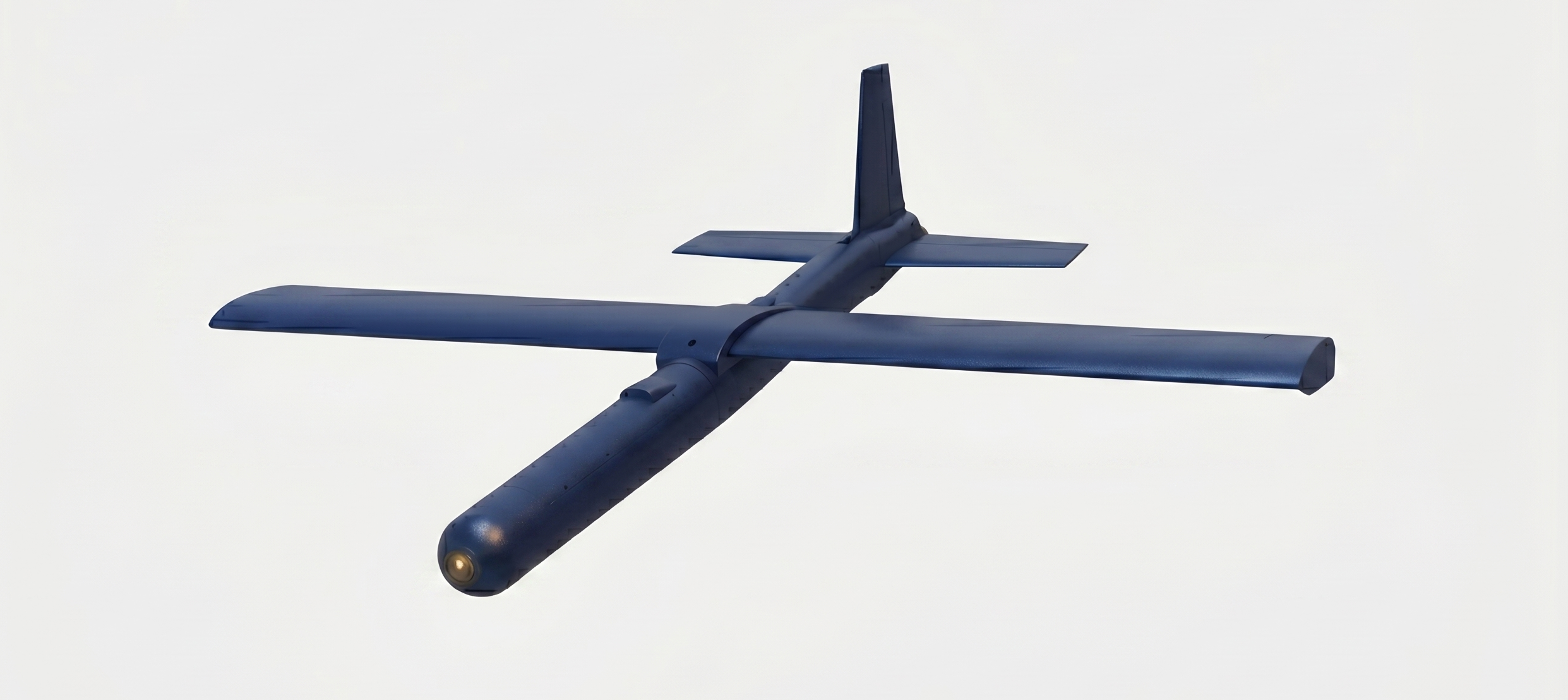
The Japanese company is investing through its subsidiary Terra Inspectioneering. WinnyLab develops and manufactures fixed-wing interceptor drones intended for wide-area interception, longer-endurance patrol, and high-speed response against incoming aerial threats.
The investment follows Terra Drone’s earlier work with Amazing Drones and the launch of Terra A1, a short-range interceptor drone. The latest move adds a second layer, pairing short-range rapid-response interception with a fixed-wing aircraft built for wider-area patrol and earlier engagement.
The Terra A2 fixed-wing interceptor has been presented with a top speed of 312km/h, coverage up to 75km, and endurance of more than 40 minutes. It is intended to operate with radar systems, allowing operators to track both interceptor and target position during engagement.
Interceptor drones become a production race
One-way attack drones and low-cost aerial threats have changed the economics of air defence. Expensive missiles are poorly matched against cheap, mass-produced targets, pushing industry toward interceptor drones that can be manufactured in larger numbers and iterated quickly.
Fixed-wing interceptors bring their own production pressures. Airframe efficiency, propulsion selection, battery performance, guidance resilience, payload capacity, and secure data links all need to be balanced against unit cost. Systems also need to perform in degraded navigation environments and under electronic warfare pressure.
Ukrainian engineering enters Japan’s counter-UAS base
The investment gives Terra Drone access to Ukrainian development experience shaped by high-intensity drone warfare. That battlefield feedback is being pulled into a Japanese industrial framework with export and scale ambitions.
Layered counter-UAS portfolios are now moving from single systems into families of interceptors, sensors, radar links, control software, and support equipment. Terra Drone’s approach points to a broader market direction: short-range and long-range interceptors developed together, with production volume and upgrade speed becoming as important as peak performance.