IN Brief:
- Sonaca has opened a new F-35 facility at Gosselies, Charleroi, dedicated to horizontal tailplane production.
- The work places Belgium inside the global F-35 aerostructures supply chain.
- The facility highlights how fifth-generation combat aircraft programmes depend on distributed, qualified production networks rather than final assembly alone.
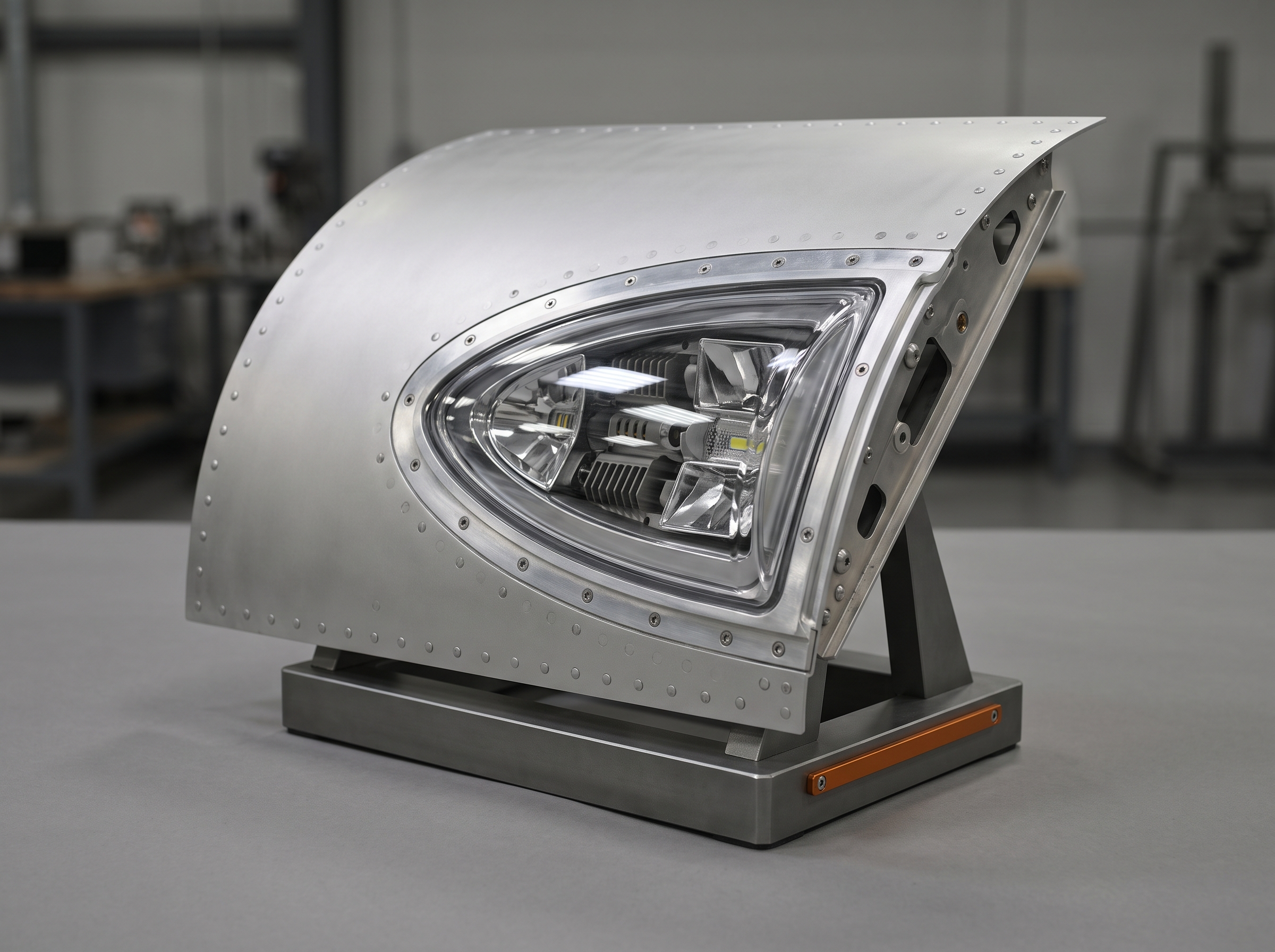
Sonaca has opened a new facility at Gosselies, Charleroi, to support production of F-35 horizontal tailplanes, marking a significant step for Belgium’s aerospace manufacturing role inside the global fifth-generation fighter supply chain.
The facility is tied to Belgium’s participation in the F-35 programme and supports production of the aircraft’s horizontal tailplane assemblies. For aerostructures manufacturers, components of this kind carry demanding requirements around materials, tolerances, fatigue life, low-observable performance, weight control, and repeatable quality. The work gives Belgian industry a defined position in a programme whose industrial value extends far beyond final aircraft assembly.
F-35 production is often discussed in terms of aircraft quantities, partner orders, and delivery schedules. The factory reality is more granular. The programme depends on a distributed supply chain producing structures, sensors, electronics, propulsion components, landing gear, software, mission systems, and sustainment equipment. Every additional facility must fit into a tightly controlled production and quality system, where deviations can affect delivery tempo and downstream integration.
For Sonaca, horizontal tailplane work strengthens an established aerospace manufacturing base. The company has long experience in aerostructures, but F-35 work brings a different level of programme discipline. Fifth-generation aircraft production requires digital configuration control, traceability, controlled processes, inspection regimes, supplier qualification, and alignment with a global production rhythm. A tailplane facility is therefore an investment in certification, workforce capability, tooling, and long-term process control as much as floor space.
Europe’s combat-air manufacturing base is being tested again by Ukraine, NATO rearmament, F-35 fleet expansion, and future programmes such as GCAP and FCAS. Countries want access to advanced aircraft, but they also want domestic workshare, skilled employment, and durable supplier positions. Sonaca’s facility gives Belgium a clearer industrial role in an aircraft programme that will remain in production and sustainment for decades.
The pressure around fighter output has already surfaced in F-35 request lifts output but leaves the Air Force short of rebuild pace, while F-35 and MQ-20 test CCA integration showed how the aircraft is being pulled into future autonomy concepts. Sonaca’s facility sits beneath those programme-level debates. Modern air combat capability depends on platforms, software, autonomy, and sensors, but also on the ability to make qualified aerostructures repeatedly and on schedule.
That repeatability is becoming harder as aerospace supply chains remain tight. Skilled labour, specialist materials, machining capacity, composite processing, certification engineers, inspection equipment, and long-lead components all constrain output. A dedicated facility can improve local capacity, but it also creates an obligation to maintain production discipline under programme pressure. F-35 customers expect aircraft deliveries; final assembly can move only as fast as critical suppliers allow.
The facility also illustrates the balance between sovereignty and interdependence. Belgium gains domestic aerospace work and industrial know-how, while the F-35 supply chain remains multinational by design. Distributed production can create resilience, but only when coordination across borders is reliable. Every partner facility must meet programme standards and delivery expectations because its output feeds a shared global line.
Future combat-air programmes will have to absorb the same lesson. GCAP and FCAS will require industrial workshare across partner nations, but workshare alone is not enough. The work must be technically meaningful, efficiently allocated, and tied into a coherent production architecture. Sonaca’s F-35 role shows how a national aerospace company can take a specific structural work package and build capability around it when the programme architecture is mature enough to absorb distributed production.
The long-term value may stretch beyond the current production run. F-35 manufacturing will eventually give way to sustainment, upgrades, repair, and replacement work. Aerostructures expertise developed through the facility could also support future defence and civil aerospace projects, particularly where advanced manufacturing, precision assembly, and high-quality process control are required. Facilities of this kind become part of a country’s aerospace base rather than a single contract line.
Fighter programmes are built in layers. The aircraft seen on the flight line depends on a deep network of factories producing components most people never see. Belgium’s horizontal tailplane work now becomes one of those layers, linking national aerospace capability to one of the world’s largest combat-air production programmes.