IN Brief:
- AeroVironment has received a $20m AFRL contract for ceramic and ceramic matrix composite materials research.
- The 39-month programme covers additive manufacturing, 3D printing, and sensor integration for extreme aerospace and defence applications.
- The work points to growing demand for materials that can survive heat, speed, propulsion loads, and contested operating conditions.
AeroVironment has received a $20m Ceramics Advanced Materials and Processes contract from the Air Force Research Laboratory to advance ceramic and ceramic matrix composite materials for extreme aerospace and defence applications.
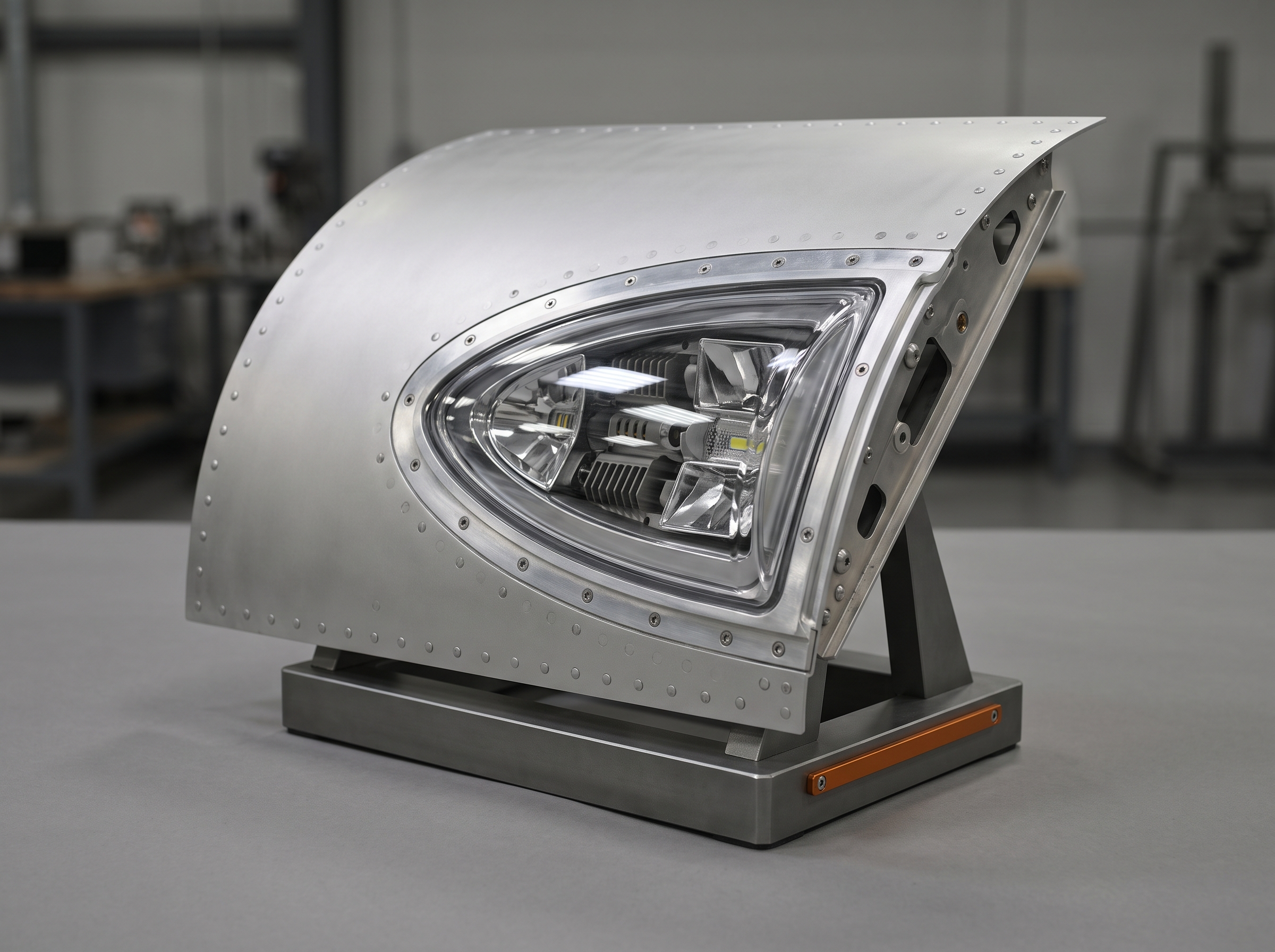
The 39-month programme will bring AeroVironment materials specialists together with AFRL scientists and engineers at Wright-Patterson Air Force Base. The work will apply additive manufacturing, 3D printing, and sensor integration techniques to lightweight, thermally resilient structures for high-speed aerodynamic vehicles, turbine engines, rocket propulsion systems, transparent armour, thermal-protection tiles, and nozzle extensions.
Advanced weapons and aircraft programmes often depend on material science long before they depend on final assembly. High-speed flight, rocket propulsion, directed energy, reusable systems, and next-generation aircraft all expose components to heat, shock, erosion, pressure, vibration, and chemical stress. Conventional metals and composites cannot solve every problem. Ceramics and ceramic matrix composites offer heat resistance and weight advantages, but they are difficult to design, manufacture, inspect, and repair.
Repeatability is the industrial hurdle. Laboratory materials can show impressive properties, but military programmes need processes that can produce qualified components with predictable performance. Additive manufacturing offers design freedom and complex geometries, while also introducing challenges around porosity, surface finish, internal defects, post-processing, and inspection. Ceramic materials can be brittle if they are not engineered and manufactured carefully, which makes quality control central to the production case.
Sensor integration adds another layer. Embedding sensing into high-temperature structures could help monitor component health, thermal loads, strain, and lifecycle performance. That has value for propulsion, high-speed vehicles, and space systems where maintenance access is limited and failure margins are narrow. It also shifts materials from passive structures into data-generating components, linking manufacturing to digital sustainment.
The contract fits a wider defence trend around hypersonics, high-speed testing, and thermal protection. Hermeus takes Quarterhorse into supersonic flight and Rocket Lab’s HASTE award expands the industrial base for hypersonic testing sit in different parts of the market, but both point toward the same materials pressure: heat and speed punish weak manufacturing.
AeroVironment’s role is notable because the company is best known for uncrewed systems, loitering munitions, and defence technology rather than traditional heavy aerospace materials. Its move into advanced ceramics reflects the blurring of the defence industrial base. Companies that build vehicles, autonomy, sensors, and strike systems increasingly need control over materials, manufacturing processes, and thermal performance if they want to compete in high-speed or extreme-environment applications.
The supply chain behind ceramic matrix composites is specialised. It can involve ceramic fibres, matrices, coatings, high-temperature furnaces, precision forming, machining, non-destructive evaluation, and environmental barrier coatings. Scaling production is not a matter of buying more machines. It requires trained materials engineers, process technicians, inspection methods, and qualification data. Defence customers will expect documented performance across batches and environments.
Transparent armour shows the dual technical burden. It must provide protection while preserving optical clarity, weight targets, and durability. Thermal-protection tiles and nozzle extensions have different demands, but the same underlying industrial issue applies: the component must perform in a severe environment while remaining manufacturable at a useful cost and cadence.
Lifecycle cost also sits behind the materials work. Extreme-environment components are expensive to replace and difficult to inspect once installed in aircraft, propulsion systems, or space platforms. Better materials, integrated sensors, and more repeatable manufacturing can reduce maintenance burden, improve readiness, and extend operational endurance. Materials research is therefore increasingly tied to readiness rather than treated as pure science.
The next phase will be judged by movement from material development to qualified components. Defence programmes need test coupons, prototypes, subscale articles, destructive testing, digital models, inspection procedures, and eventually production routes. The gap between a promising material and a fielded component can be long. The value of this contract will depend on whether the manufacturing processes mature alongside the material properties.
AeroVironment’s ceramic work belongs inside the larger race for high-speed and resilient aerospace systems. Air and space forces need structures that can survive environments where conventional materials reach their limits. Companies able to turn ceramics and CMCs into repeatable, sensor-enabled, production-ready components will hold an important position in next-generation aerospace defence manufacturing.