IN Brief:
- Romania’s Ministry of Internal Affairs has ordered two Next Generation C-27J Spartan aircraft.
- The aircraft will support personnel transport, cargo, medical evacuation, firefighting, search and rescue, and disaster response.
- The order takes Romania’s Spartan fleet to nine and adds further demand to Leonardo’s C-27J production and support base.
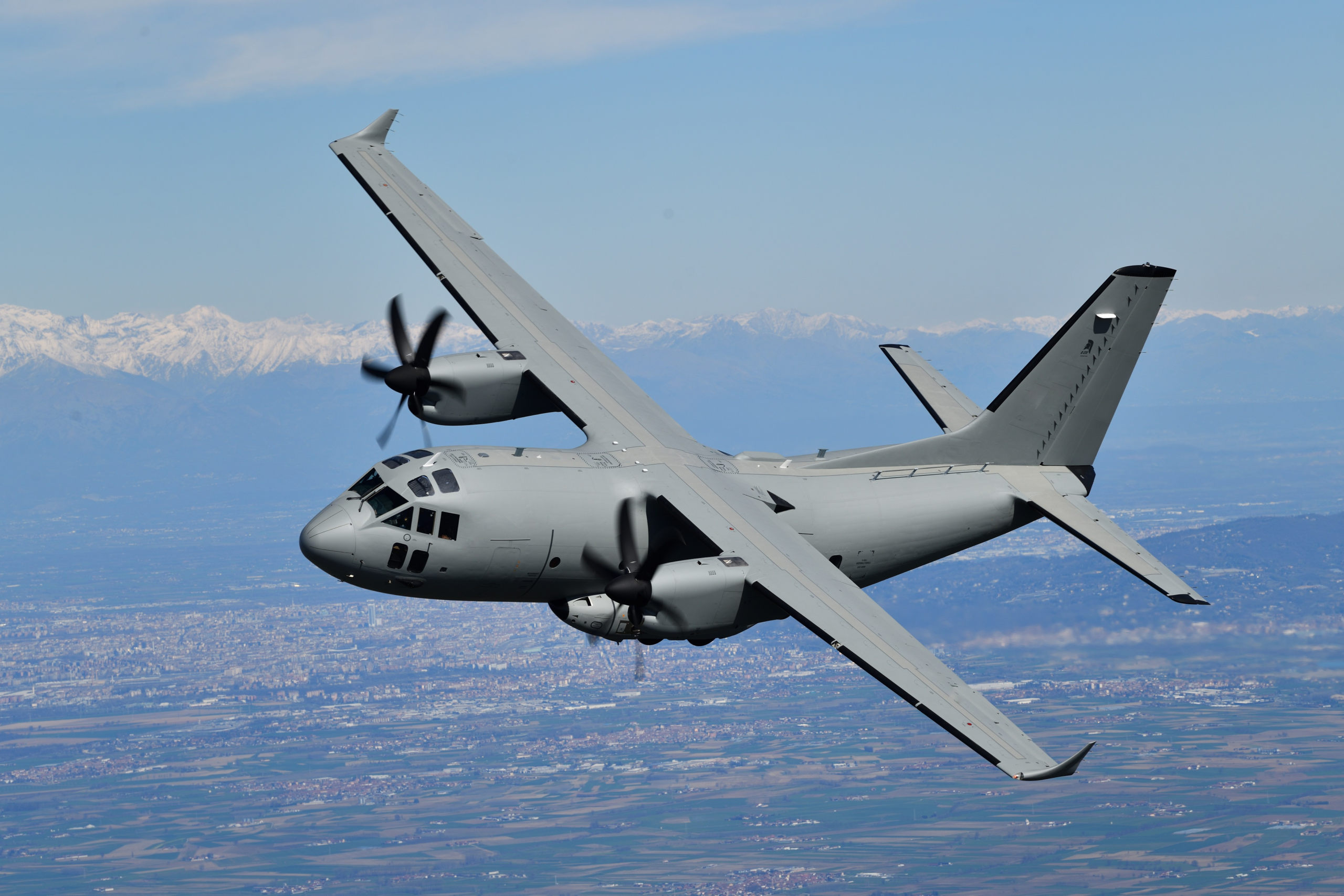
Romania’s Ministry of Internal Affairs has ordered two Leonardo C-27J Spartan tactical transport aircraft under the SAFE — Security Action for Europe — instrument, expanding national and European emergency-response capacity while adding to the country’s tactical air mobility fleet.
The aircraft will be operated by the General Inspectorate of Aviation of the Ministry of Internal Affairs, coordinated by the Department for Emergency Situations. Their mission set includes emergency management, civil protection, humanitarian support, disaster response, medical evacuation, firefighting, search and rescue, cargo movement, and personnel transport across Romania and wider European operations.
The order brings the number of Spartans acquired by Romania to nine. The two aircraft will be the first Next Generation C-27Js delivered to the country, joining Romanian Air Force aircraft that have been in service since 2010. Romania’s existing C-27J fleet has logged more than 30,000 flight hours across tactical transport, medical evacuation, firefighting, training, and support missions.
Leonardo’s C-27J programme has now passed 100 aircraft ordered globally. The aircraft occupies a specialised position in the tactical airlift market: smaller than a C-130, but designed for austere-field performance, rapid reconfiguration, military cargo handling, and missions where larger airlifters may be less practical or more expensive to operate.
The Next Generation configuration introduces avionics updates, more advanced communications, and aerodynamic enhancements, while retaining interoperability with earlier C-27J aircraft. That compatibility is valuable for operators with existing fleets, since new variants can create cost and training pressure if they split maintenance, spares, mission equipment, or operational procedures. Commonality helps protect fleet availability and lifecycle cost.
The Romanian order also includes mission kits, logistics support, training, and infrastructure. Those elements sit at the heart of the production and sustainment workload. A tactical transport aircraft only delivers full value when crews, maintainers, spares, mission modules, loading systems, and operating bases are ready to support it. Roll-on/roll-off mission kits widen the aircraft’s role, but they bring additional requirements for storage, inspection, loading procedures, certification, and configuration management.
Romania’s acquisition reflects a broader European trend, particularly across eastern and southeastern NATO members. Countries are investing in air mobility, air defence, armour, logistics, and emergency-response capability as security conditions change. Airlift sits between defence and civil resilience, especially for states exposed to wildfires, floods, humanitarian emergencies, and alliance support tasks.
The country’s land-systems expansion, including the Rheinmetall package covered in Rheinmetall deepens Romania defence production base, shows the same national movement across another domain. Bucharest is building capability through vehicles, air mobility, emergency response, support infrastructure, and industrial participation rather than relying on isolated platform purchases.
For Leonardo’s supply chain, follow-on orders support planning across structures, avionics, engines, propellers, hydraulic systems, landing gear, cargo-handling equipment, communications, mission systems, training devices, and support services. Stable demand allows specialist suppliers to maintain skills and capacity in a transport-aircraft segment where production volume is much lower than in commercial aerospace.
The first delivery is expected in 2029, giving Romania time to prepare crews, infrastructure, maintenance pathways, and mission-specific procedures. The aircraft will be highly visible assets, but their operational value will be judged by availability, reconfiguration speed, and response reliability during crises.
In civil protection and defence support, the manufacturing task does not end at handover. It continues through spares, software, upgrades, training, inspection, and the ability to keep aircraft ready when disasters, alliance commitments, or national emergencies demand immediate lift capacity.