IN Brief:
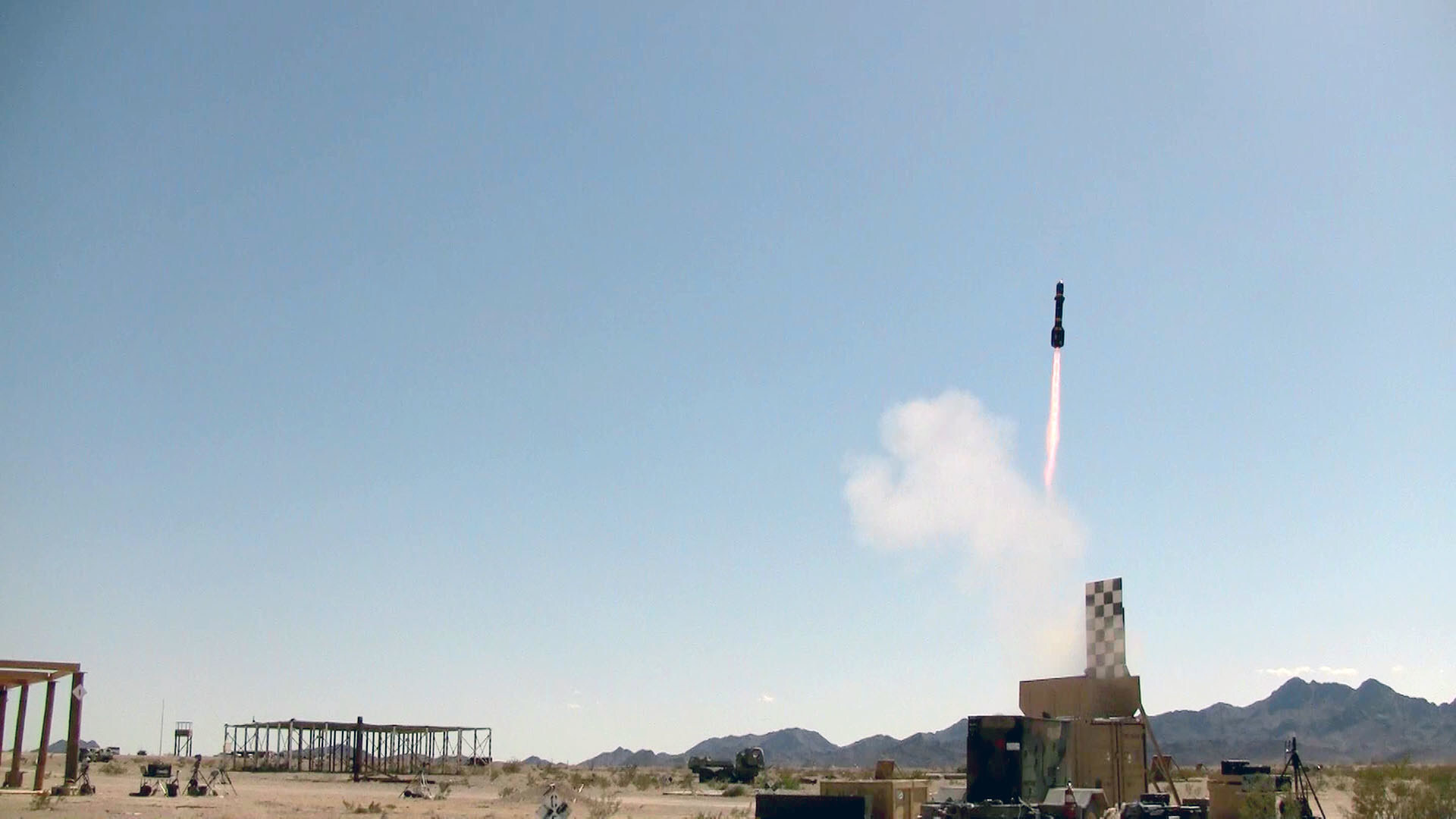
- Sanctum C-UAS intercepted a Group 3 one-way attack drone using a JAGM fired from a GRIZZLY launcher.
- The system integrated sensors, battle management, launcher, and interceptor within 45 days.
- The demonstration points to growing demand for modular, rapidly deployable counter-drone architectures.
Lockheed Martin has demonstrated a containerised counter-UAS kill chain using its Sanctum battle-management system, a GRIZZLY launcher, Fortem radar sensors, and a Joint Air-to-Ground Missile fired against a Group 3 one-way attack drone.
The live demonstration showed the radar network detecting and tracking the target, Sanctum processing the engagement, and the GRIZZLY launcher firing JAGM as the interceptor. The system was integrated and delivered in under 45 days, giving the trial relevance beyond the intercept itself. The achievement sits in the integration speed across sensors, command software, launcher hardware, missile interfaces, and field operating concepts.
Counter-UAS requirements are evolving quickly because the threat is changing faster than traditional acquisition cycles. Small drones, larger one-way attack systems, loitering munitions, and improvised UAVs now sit alongside missiles and aircraft in the air-defence problem set. Forces need layered defences that can detect low-signature targets, classify them quickly, assign the right effector, and avoid spending expensive weapons on low-cost threats unless the target justifies it.
Sanctum’s demonstration with JAGM is notable because JAGM was originally developed for air-to-ground use from aviation platforms. Using it from a containerised ground launcher against a drone reflects a wider trend in defence manufacturing: existing weapons are being adapted for new air-defence and C-UAS roles. That can shorten development cycles, but it requires careful work around launcher electronics, missile storage conditions, targeting data, software interfaces, safety cases, and engagement geometry.
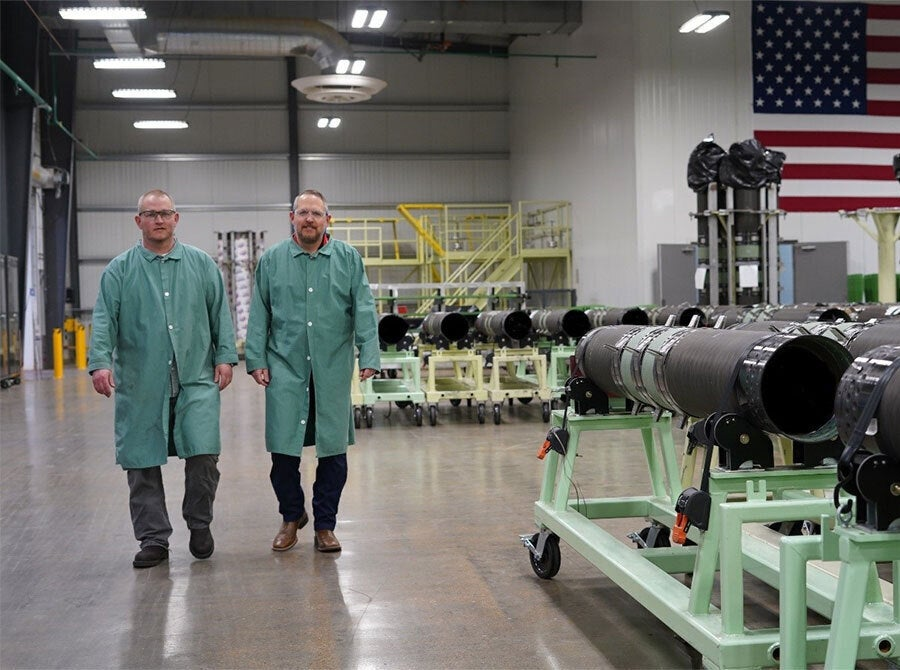
The GRIZZLY launcher reflects the same demand for modularity. A containerised launcher can be moved, concealed, deployed around bases or infrastructure, and connected with different sensors. Toolless reload and eight-round capacity are practical design features, while the production requirement behind them is equally clear. Launchers must be simple enough to manufacture, maintain, reload, and deploy at scale rather than operating as bespoke demonstration hardware.
The market is already moving beyond isolated counter-drone products. NATO builds counter-drone procurement marketplace showed how buyers are sorting through jammers, directed-energy systems, guns, missiles, kinetic interceptors, autonomous drones, radars, RF sensors, electro-optical systems, and AI-enabled command tools. The strongest offerings will be those able to plug into wider architectures and adapt as the threat changes.
Rapid integration is now a procurement advantage. Traditional air-defence programmes often stretch over many years, while drone threats can change within months. A 45-day integration cycle does not guarantee production maturity, but it demonstrates the value of open interfaces, existing qualified weapons, modular launchers, and software-led battle management.
Manufacturing scale will decide how quickly such systems move beyond trials. Operational deployment requires producible launchers, reliable radar supply, missile availability, software support, training systems, spares, environmental qualification, and cyber protection. Every node in the kill chain has to be supportable under field conditions.
Interceptor economics will also shape the system’s role. JAGM is far more capable and costly than many small drones, so its most logical use is against larger Group 3 and Group 4 threats, one-way attack UAVs, or drones carrying significant payloads. Defence forces will still need cheaper effectors for massed small drones. That reinforces the need for battle-management software able to select from layered options rather than defaulting to the most expensive weapon.
AI-enabled or automated decision support adds a further manufacturing and assurance burden. Software updates become part of the defence production cycle. Algorithms must be tested against new drone types, sensor data, clutter, weather, countermeasures, and operating environments. The supply chain is no longer only metal, electronics, and energetics; it includes data, models, validation, and cyber-secure update pathways.
The demonstration shows where C-UAS procurement is heading. Buyers want integrated kill webs that combine sensors, software, launchers, and a menu of effectors. Manufacturers will need to make those systems modular enough to adapt, robust enough to deploy, and producible enough to meet a threat that is expanding faster than traditional air-defence acquisition was built to handle.