IN Brief:
- Kongsberg and Navantia will support Norway’s Fridtjof Nansen-class frigates under a long-term agreement.
- The partnership combines Norwegian prime-contracting with Navantia’s original platform-design expertise.
- The deal reflects rising demand for naval lifecycle support as newbuild capacity remains constrained.
Kongsberg and Navantia have signed a long-term agreement to support Norway’s Fridtjof Nansen-class frigates, strengthening the industrial base behind one of the Royal Norwegian Navy’s core surface combatant fleets.
The agreement covers support, maintenance, modification, and modernisation, with Kongsberg acting as prime contractor for the four remaining frigates. Navantia will contribute original platform knowledge as the shipbuilder, designer, and integrator of the class. The structure gives Norway a support model that combines domestic industrial control with access to the design expertise needed for deeper platform interventions.
Naval sustainment is becoming as strategically important as new ship construction. European navies need more availability from existing fleets while planning future surface combatant programmes under constrained budgets, busy shipyards, and long procurement timelines. That creates a growing market for maintenance, modernisation, obsolescence management, combat-system refresh, and platform engineering.
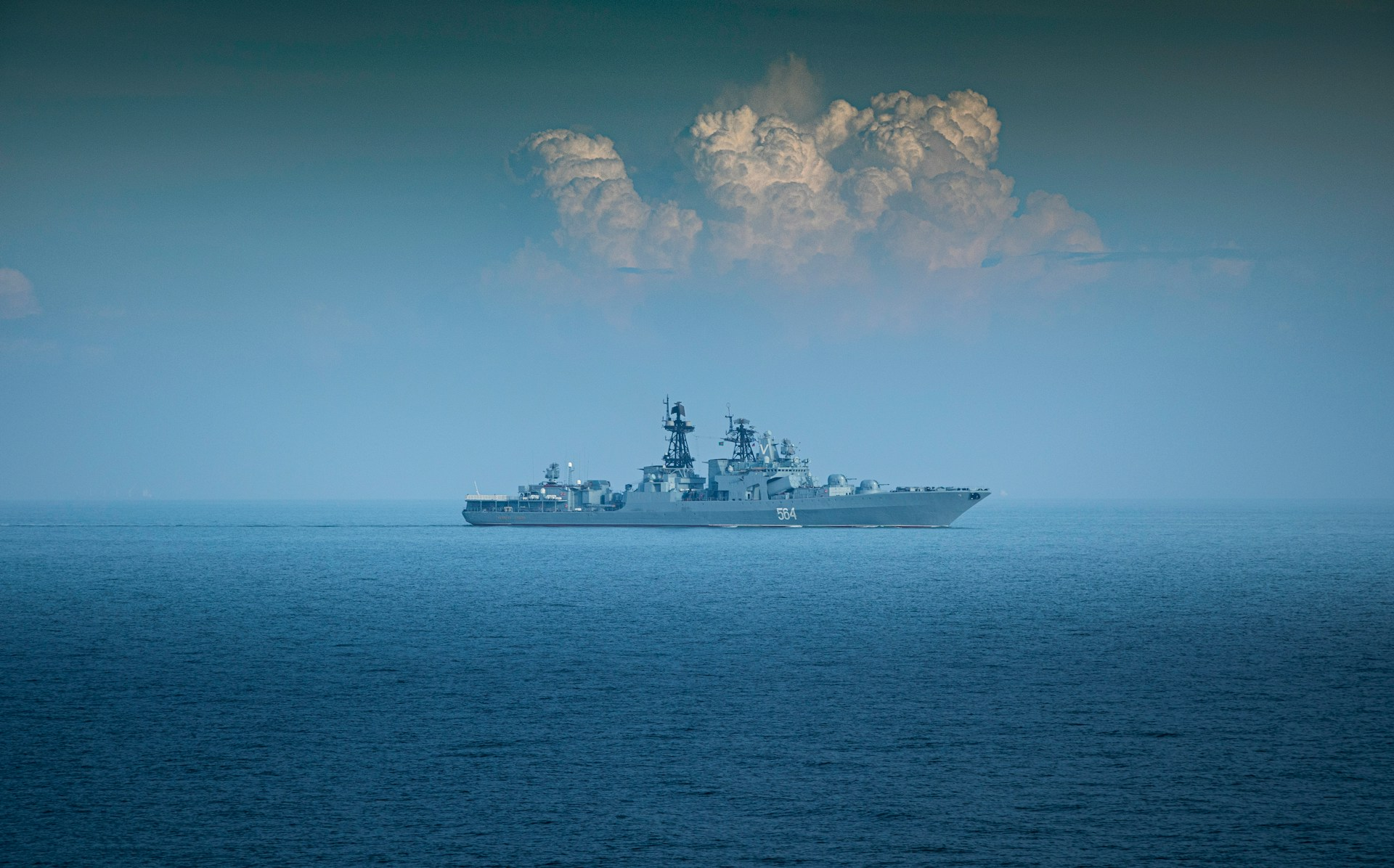
The Fridtjof Nansen-class frigates were designed around anti-submarine warfare, air defence, and maritime security tasks in demanding North Atlantic conditions. Keeping them available involves far more than routine maintenance. A modern frigate is a tightly integrated platform of hull, propulsion, electrical generation, combat management, radar, sonar, communications, electronic warfare, weapons, and accommodation systems. Any major modification can touch several of those areas at once.
Kongsberg and Navantia bring complementary roles to that problem. Kongsberg provides Norwegian industrial presence, naval systems expertise, and prime-contract management close to the customer. Navantia brings original design data, platform engineering knowledge, and an understanding of the compromises made during the build phase. Without that knowledge, modernisation can become slower and riskier, particularly when modifications interact with stability, power, cooling, combat-system layout, or structural constraints.
The agreement also reflects a wider European naval pressure point. New frigates and destroyers take years to procure and build. Shipyards are busy, specialist labour is tight, and many allied navies are trying to expand or renew fleets at the same time. Existing vessels therefore have to carry more operational burden for longer. Sustainment contracts become a way of preserving readiness, buying transition time, and reducing the risk of capability gaps before new platforms arrive.
The same industrial pressure is visible across allied shipbuilding, where foreign yards have entered the US warship capacity debate. Capacity is not only a question of laying new keels. It also depends on the yards, engineers, suppliers, and support organisations able to keep fleets seaworthy, upgraded, and deployable.
For Norway, the maintenance and modification work may shape future fleet decisions. A well-supported Fridtjof Nansen-class fleet gives the navy more flexibility as it weighs future surface combatant requirements. Declining availability would force faster decisions under less favourable industrial conditions. Sustainment performance therefore becomes part of force-structure planning, not simply a maintenance concern.
Suppliers may see work across sensors, combat systems, communications, navigation, propulsion support, structural repair, electronic warfare, and software updates. Cybersecurity will also become increasingly relevant as naval combat systems grow more connected and data-heavy. Ships designed before today’s cyber threat environment must now be sustained with modern software assurance, network security, and update discipline in mind.
The partnership also highlights the growing role of through-life support arrangements between national industrial champions and original equipment manufacturers. Navantia’s continued involvement protects design integrity, while Kongsberg’s prime role keeps responsibility and execution close to Norway. That model may become more common as navies seek to balance sovereign control with access to specialised international expertise.
Execution will still be demanding. Naval sustainment often uncovers hidden problems once ships enter deeper maintenance periods. Corrosion, wiring degradation, obsolete components, supplier exits, documentation gaps, and unexpected structural work can all expand scope. Strong programme governance will be essential if Norway is to avoid availability losses while modernising the fleet.
The Kongsberg-Navantia agreement is therefore more than a support arrangement. It reflects a wider shift in naval industrial strategy, where readiness depends on the ability to modernise existing platforms as much as on the ability to build new ones. For European navies operating under tighter threat timelines and limited shipyard capacity, lifecycle support is becoming an operational capability in its own right.