IN Brief:
- Airbus is increasing C295 production from 10 to 13 aircraft per year.
- Spain has received its first C295 in search-and-rescue and maritime surveillance configuration.
- The ramp-up reflects resilient demand for medium tactical airlift and special-mission platforms.
Airbus is increasing C295 production at its Seville final assembly line, lifting annual output from 10 to 13 aircraft as demand continues across tactical transport, maritime surveillance, search and rescue, and special-mission roles.
The production-rate increase comes as Spain receives its first C295 configured for search-and-rescue and maritime surveillance work, part of a broader renewal of aircraft previously handled by older CN235 and C212 fleets. The C295 occupies a practical part of the military aerospace market: large enough to carry useful payloads and mission equipment, but smaller and less costly than heavier tactical airlifters.
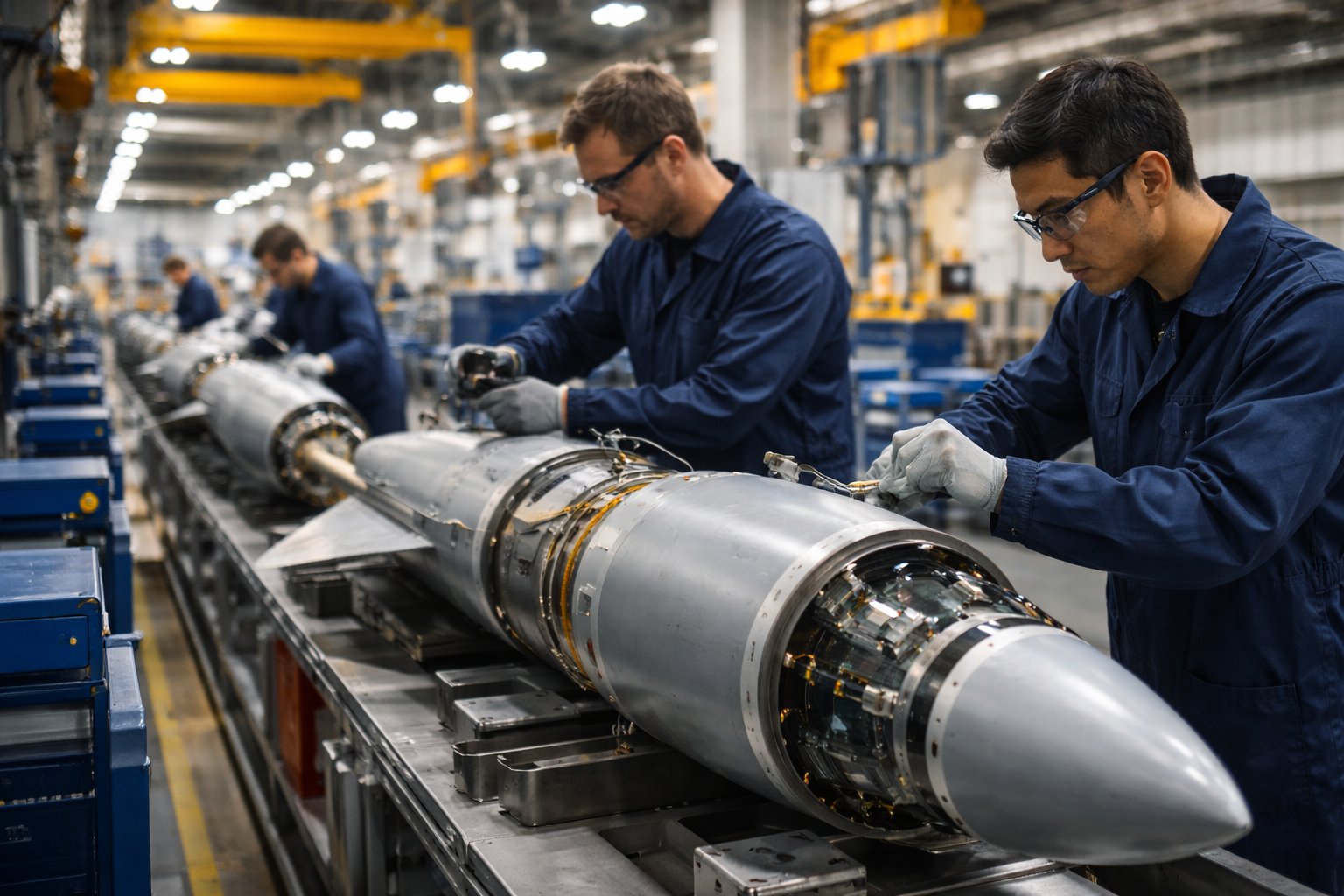
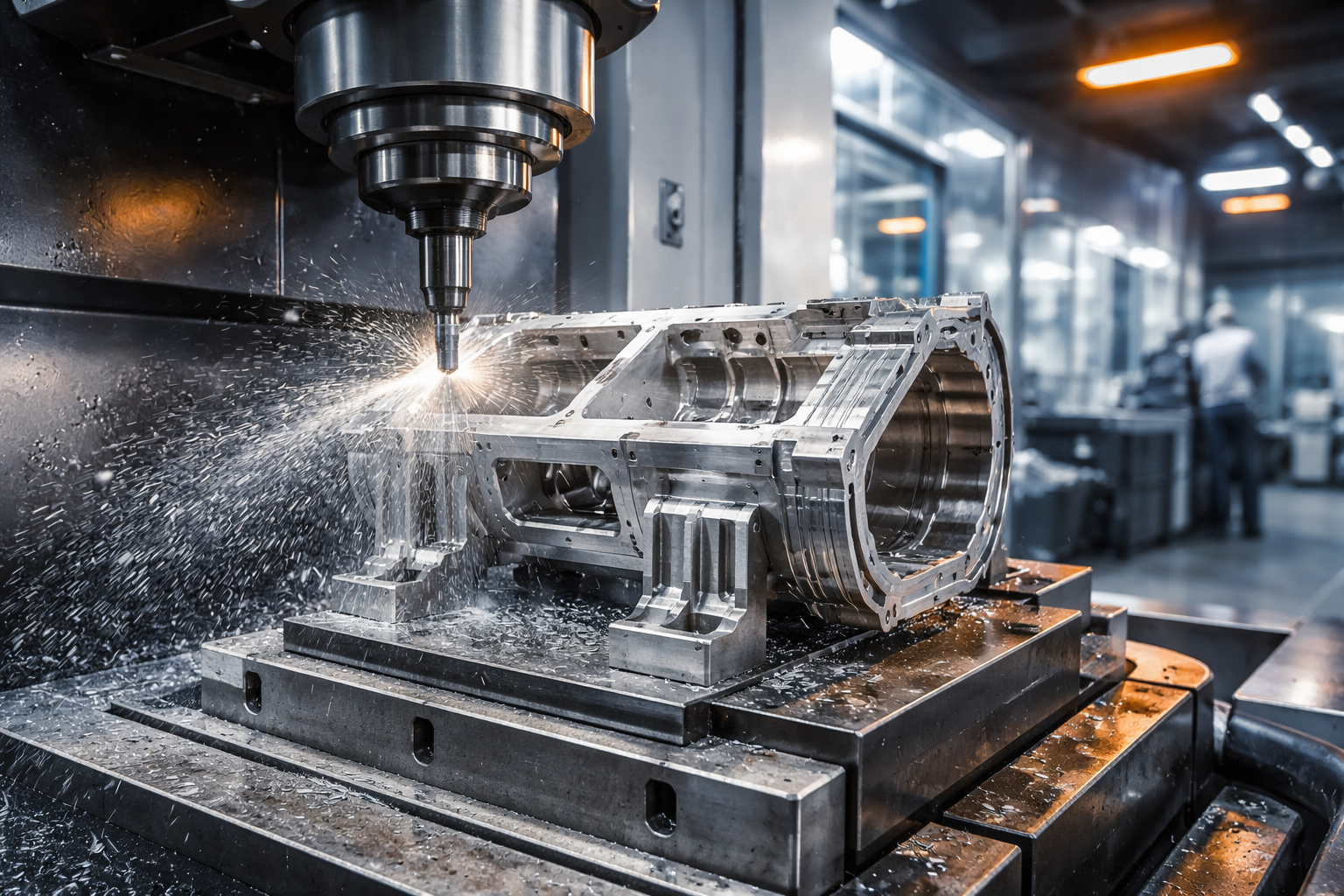
For Airbus Defence and Space, the line at San Pablo in Seville has become a durable production centre for medium tactical aircraft. A rate increase of three aircraft per year may appear modest, yet aerospace output is sensitive to suppliers, skilled labour, test capacity, tooling, engines, avionics, and customer-specific configuration. Raising the rate requires confidence that the orderbook, supply chain, and acceptance process can support the additional work.
The C295’s appeal rests partly on its adaptability. A transport aircraft can be configured for troops, cargo, medical evacuation, paratroop training, or humanitarian operations. A surveillance version requires a different industrial package, with radar, electro-optical sensors, mission consoles, communications, antennas, recording systems, software, additional power, and cooling. Each special-mission configuration increases the amount of integration work tied to the airframe.
European aerospace demand has been moving toward flexible, supportable platforms as well as top-tier combat aircraft. Belgium’s H145M fleet development, for example, has shown how compact military aircraft can support multiple roles across training, special operations, and utility missions. The C295 sits in a neighbouring market, where customers want a proven platform that can be tailored for domestic airlift and security needs without creating an unsustainable support burden.
Maritime surveillance demand gives the production increase extra relevance. Governments are paying closer attention to offshore infrastructure, illegal fishing, smuggling, maritime borders, and grey-zone activity around contested waters. A C295 fitted with sensors and mission systems can give smaller air forces and coastguard-linked organisations a persistent surveillance capability without the cost of larger maritime patrol aircraft.
Special-mission aircraft also place growing demands on software and data handling. Surveillance platforms need to move information quickly to ships, command centres, border agencies, and sometimes unmanned systems. That requires secure communications, datalinks, mission planning, and operator interfaces that can be upgraded over time. The airframe becomes a host for a digital mission architecture, with production value moving steadily toward systems integration.
Supply-chain stability will decide how smoothly the higher rate can be achieved. Medium aircraft production depends on structural parts, landing gear, engines, avionics, wiring, interiors, mission equipment, and test resources arriving in the right sequence. Bottlenecks in a single subsystem can delay aircraft even when the rest of the line is healthy. For suppliers, a higher production rate creates opportunity only if demand remains stable enough to justify additional capacity.
The C295 also benefits from a broad installed base. Operators around the world create a sustainment and upgrade market that can be as important as new aircraft sales. Fleet support, spare parts, avionics refreshes, mission-system upgrades, and training create long-term work beyond the final assembly line. As customers operate mixed transport and surveillance fleets, commonality across aircraft families can also become a procurement advantage.
Competition will remain active. The market for medium airlifters and special-mission aircraft includes both established Western platforms and emerging alternatives. Customers will compare acquisition cost, runway performance, payload, mission-equipment options, support footprint, and political factors. Airbus’s advantage lies in a mature line and a large operator base, provided the company can maintain delivery confidence.
The production increase at Seville shows that tactical airlift demand has not been displaced by drones, larger aircraft, or purely space-based surveillance. Defence customers still need aircraft able to move people and equipment, watch coastlines, support search and rescue, and adapt to national security tasks. The C295 line is now being asked to turn that resilience into higher output.