IN Brief:
- North Korea has commissioned the 5,000-tonne Choe Hyon guided-missile destroyer.
- The ship points to a wider push toward larger, missile-armed surface combatants.
- Regional manufacturers face rising demand for surveillance, missile-defence, and naval integration systems.
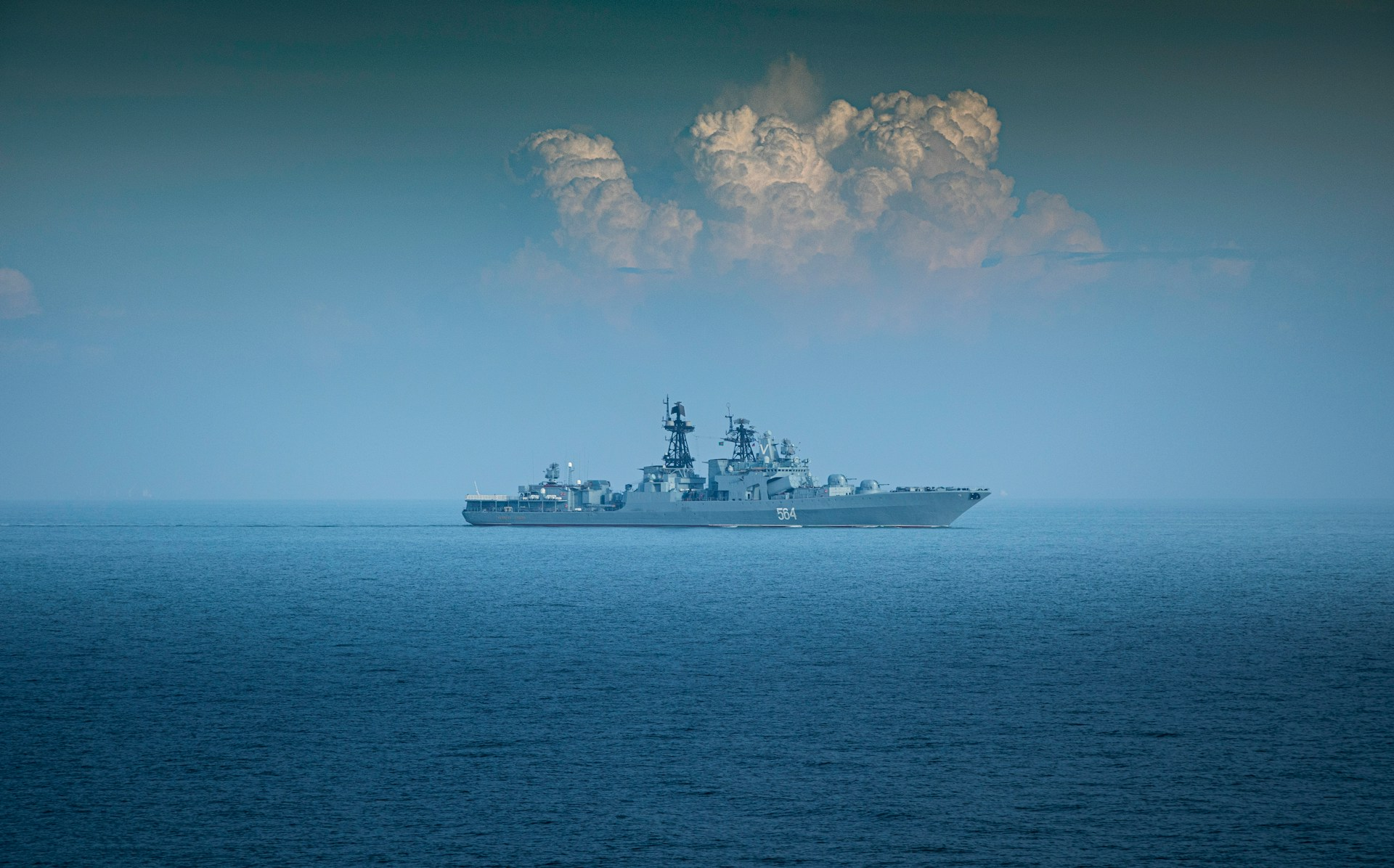
North Korea has commissioned the Choe Hyon guided-missile destroyer, placing its most ambitious modern surface combatant into service and pushing another visible pressure point into Asia’s naval production race.
The 5,000-tonne-class vessel has been presented as the lead ship in a larger effort to expand North Korea’s missile-armed surface fleet. Pyongyang has also signalled a route toward larger strategic warships, including vessels in the 10,000-tonne category, which would represent a further leap in hull size, power generation, weapons integration, and shipyard discipline. Even if the programme remains uneven by the standards of Japan, South Korea, the United States, or China, the commissioning shows a clear attempt to move beyond coastal patrol craft and submarines into more complex surface combatants.
For regional manufacturers, the ship is less important as a single hull than as evidence of a production path North Korea may now try to repeat. A guided-missile destroyer draws on a broad industrial base: propulsion, sensors, vertical launch systems, combat management, datalinks, electronic warfare, shipboard cooling, signature management, and weapons handling. Each layer has to be integrated into a naval platform capable of operating at sea for extended periods, and each layer becomes a target for future upgrade if the vessel moves from ceremonial service into credible fleet operations.
Asian naval shipbuilding has already been moving at pace, with India demonstrating its own delivery tempo through a triple naval commissioning that placed GRSE’s industrial role in focus. North Korea’s move belongs to the same regional pattern, even though its technical base is far more opaque. Shipbuilding in Asia is no longer simply about fleet replacement; it has become a visible means of signalling industrial maturity, strategic reach, and the ability to absorb missile-era requirements into naval production.
The surrounding response will not be confined to shipyards. A new missile-armed destroyer strengthens the case for investment in air and missile defence, maritime domain awareness, electronic intelligence, anti-ship missile tracking, naval decoys, and unmanned surveillance. Smaller regional navies have already started using uncrewed systems to extend watchkeeping capacity, including the Philippines’ adoption of Triton maritime drones for western waters. Choe Hyon gives those investments a sharper regional backdrop.
Modern surface-combatant production places heavy strain on suppliers because the vessel’s value rests on integration rather than displacement alone. Radar, power distribution, launch systems, datalinks, and combat software need to operate as a coherent architecture. A ship can carry visible missile cells and still be constrained by sensor range, datalink quality, targeting reliability, or maintenance limitations. Those integration gaps are usually where less mature naval industries are most exposed.
North Korea’s state-directed production model can absorb inefficiency in ways that commercial defence suppliers cannot. Labour, yard capacity, and political attention can be concentrated on a prestige programme, even where costs and rework would be unacceptable elsewhere. That approach does not guarantee quality, but it can produce visible output quickly enough to alter regional threat planning. Allied manufacturers therefore face a competitor that may not be efficient, but can still create strategic complications.
For South Korea and Japan, the commissioning strengthens existing pressure around layered naval defence, long-range surveillance, and anti-missile architectures. For the United States, it adds another variable to force posture in the western Pacific, where destroyers, submarines, airborne early warning, and unmanned platforms already operate in a crowded environment. For smaller navies in the region, it reinforces the need for affordable sensors, cooperative surveillance, and rapid data-sharing with partners.
Choe Hyon’s long-term operational value will depend on repeatability, crew training, sustainment, and weapons integration. Those are slower tests than launch ceremonies. The manufacturing signal is already clear, however: North Korea is trying to pull its naval industry into larger missile-armed vessels, and the surrounding region will answer through more sensors, more interceptors, more autonomous surveillance, and faster naval systems integration.