IN Brief:
- Kratos is adding 106,000 sq ft to its Oklahoma City manufacturing campus.
- The expansion supports Valkyrie, Firejet, Mighty Hornet IV, and other jet-powered drones.
- The move reflects rising demand for lower-cost collaborative and attritable aircraft.
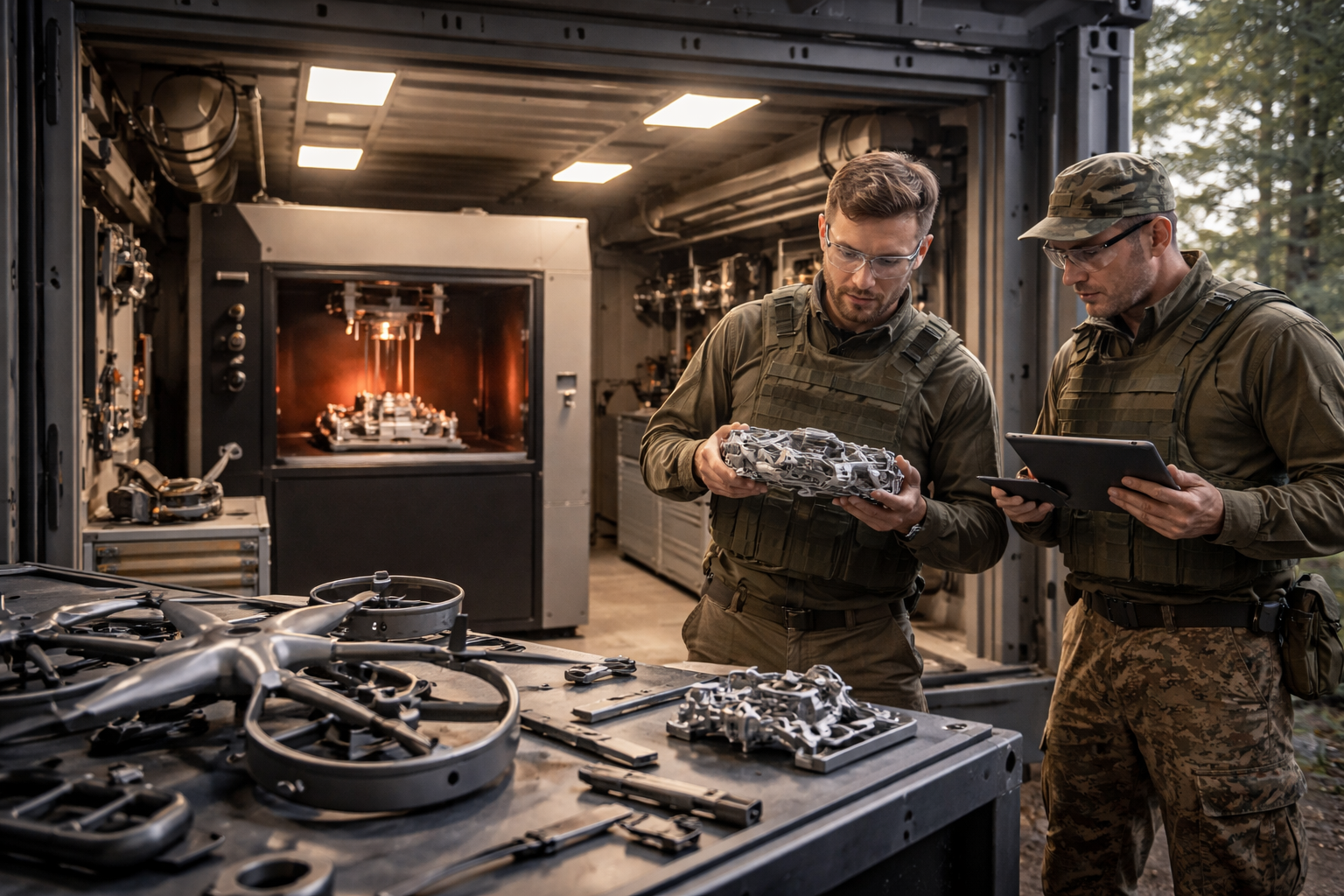
Kratos is expanding its Oklahoma City manufacturing campus by 106,000 sq ft, adding production, assembly, integration, and test capacity for jet-powered uncrewed aircraft including Valkyrie, Firejet, Mighty Hornet IV, and related systems.
The expansion gives physical form to one of the most important questions in modern air power: whether the United States and its allies can produce enough lower-cost autonomous aircraft to add combat mass without adopting the cost structure of crewed fighters. Collaborative combat aircraft, attritable drones, high-performance targets, and jet-powered uncrewed platforms all depend on manufacturing discipline if they are to move beyond demonstration fleets.
Kratos already produces high-performance jet drones in Oklahoma City, with existing output reported at around 165 aircraft per year. The new space is intended to increase capacity as demand rises from US and allied customers. Valkyrie is tied to collaborative combat aircraft concepts, Firejet supports test and training requirements, and Mighty Hornet IV has been associated with Taiwan’s defence needs.
That product mix gives Kratos an industrial advantage. Target drones and tactical uncrewed systems may serve different missions, but they share production knowledge around airframes, propulsion, flight controls, ground support, launch systems, and recovery or attrition economics. A manufacturer able to learn across those categories can refine cost, reliability, and build speed more quickly than one starting from a traditional fighter-aircraft model.
The collaborative aircraft market is still defining its own boundaries. Military planners want uncrewed systems that can fly into higher-risk areas, extend sensing range, carry payloads, support electronic warfare, act as decoys, or supplement crewed fighters. Those systems must be affordable enough to buy in numbers, yet reliable and capable enough to be trusted inside combat formations.
That balance is difficult on the factory floor. An aircraft described as attritable cannot be built carelessly. Composite structures, propulsion integration, flight-control systems, mission electronics, payload bays, datalinks, ground-control interfaces, and software baselines all require controlled production processes. Demonstration vehicles can tolerate more hand-built variation; operational fleets cannot.
The Oklahoma expansion connects to a wider pressure on the US combat-air industrial base. Boeing’s St Louis work on the F-47 sits at the high-end fighter end of the spectrum, while Kratos operates in the lower-cost uncrewed segment. Both areas are being asked to deliver capacity, speed, and new production models at the same time. The future air fleet will require both exquisite platforms and lower-cost mass.
For allied customers, Kratos’ expansion has relevance beyond the US market. Taiwan’s interest in Mighty Hornet IV reflects the appeal of affordable jet-powered systems for forces facing a larger adversary. European and Indo-Pacific air forces are also exploring whether uncrewed aircraft can add mass to combat fleets that cannot afford enough crewed fighters for every mission.
Integration and test capacity may become as important as assembly space. Jet drones are increasingly payload carriers, not just air vehicles. Electronic warfare packages, sensors, decoys, communications relays, and kinetic payloads will need to be integrated quickly and configured for different customers. A site that can handle integration, test, and production together gives the manufacturer tighter control over configuration changes.
The cost discipline around these systems will be closely watched. Requirements growth can quickly turn an affordable aircraft into a boutique programme. Higher-end sensors, bespoke software, survivability features, and long certification cycles can erode the economics of attritable platforms. Kratos’ production-first background gives it a route to resist that drift, but customer demands will test the model.
Workforce depth will also shape the expansion. Composite technicians, propulsion specialists, flight-test personnel, systems engineers, software staff, production managers, and quality inspectors are all in demand across aerospace. Oklahoma City’s ability to sustain a trained workforce could become a competitive advantage as more companies enter the collaborative aircraft market.
The facility’s role in allied supply is another consideration. Exportable jet drones will require approvals, security controls, customer training, spares, and sustainment models. A larger production base helps only if it is matched by the programme infrastructure needed to deliver and support aircraft beyond US customers.
The next decisive factor will be order flow. Factory space creates potential capacity, but sustained production requires funded programmes, clear operational concepts, and enough customer confidence to move from trials to fleet buys. Demand is moving in that direction as air forces search for affordable mass. Oklahoma City is being prepared to build more of the aircraft that could supply it.