IN Brief:
- A Ukrainian strategic defence partner will manufacture a new 105mm artillery system derived from the L119 Light Gun.
- BAE Systems will initially supply technical information and support for production of a test weapon.
- The programme connects Ukrainian assembly with renewed British capacity in barrel forging and artillery manufacture.
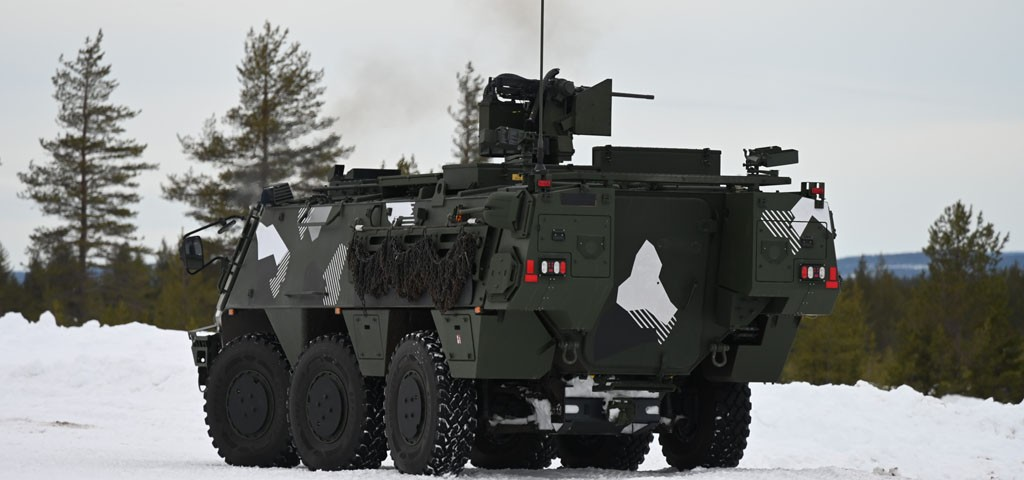
BAE Systems has licensed a Ukrainian strategic defence partner to manufacture a new 105mm artillery system derived from the L119 Light Gun, beginning with technical information and support for the production of a test weapon.
Successful manufacture, inspection, proof, and validation would establish a route towards serial production inside Ukraine. Neither the intended production volume nor a delivery schedule has been disclosed.
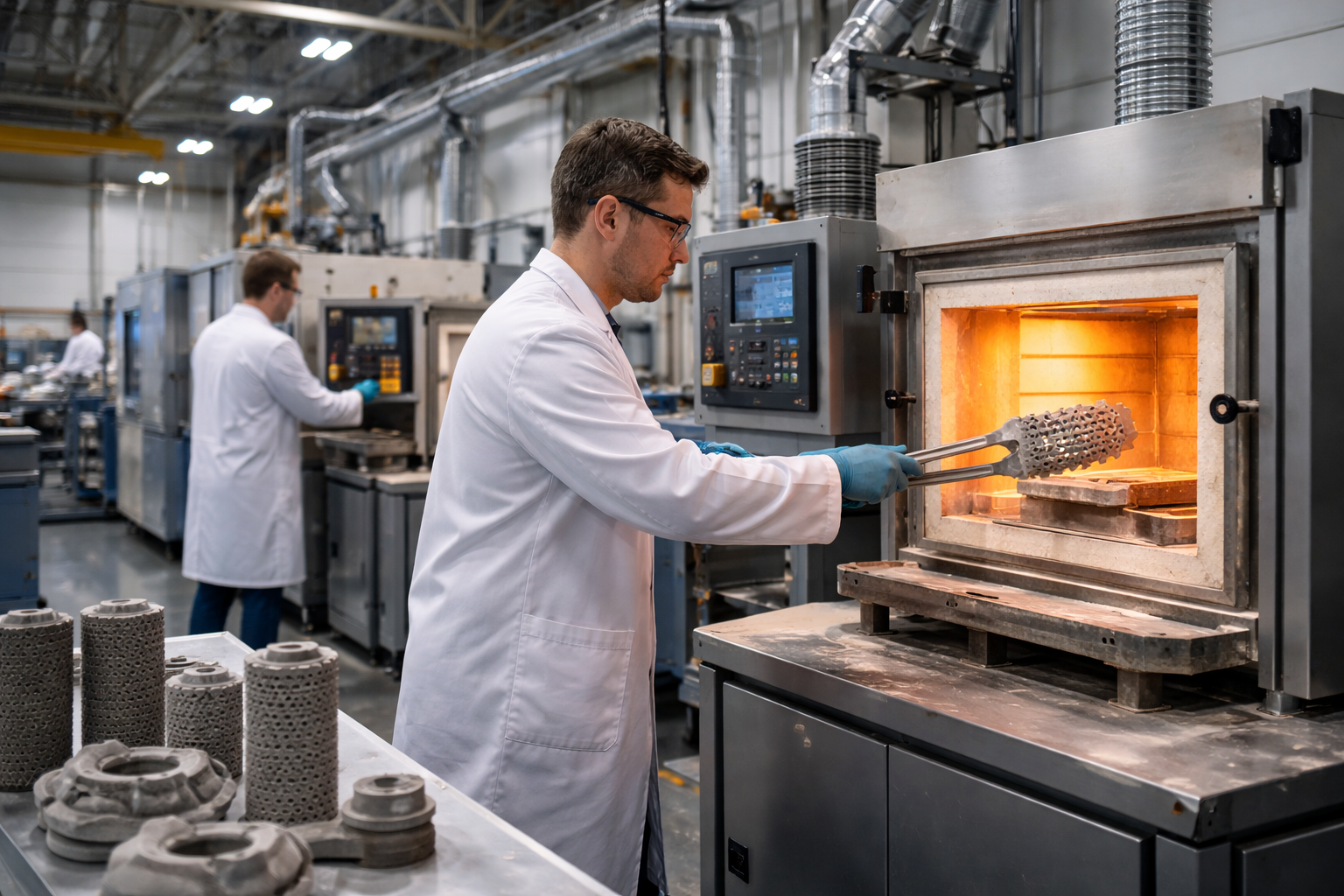
Licensed manufacture demands considerably more than transferring drawings. The Ukrainian producer must reproduce controlled geometry, material specifications, heat treatment, machining, welding, assembly, inspection, and test processes closely enough for each completed weapon to remain safe and consistent.
Although lighter and mechanically simpler than a self-propelled 155mm howitzer, the gun must contain repeated high-pressure firing loads while remaining sufficiently light for transport and manoeuvre. Barrel quality, breech manufacture, recoil behaviour, carriage alignment, weld integrity, and fatigue life all sit inside a narrow engineering margin.
Reducing mass intensifies rather than relaxes those requirements. A heavier structure can sometimes absorb variation through additional material, whereas a lightweight system depends on carefully selected alloys, controlled heat treatment, accurate machining, and repeatable joints.
The first test weapon will give both parties a physical measure of whether transferred documentation and Ukrainian processes produce the required result. Dimensional inspection, non-destructive examination, proof firing, recoil measurement, and component traceability will carry as much weight as successful final assembly.
Configuration control will be equally important. The L119 family has evolved across different operators, sights, ammunition, and support arrangements, so the Ukrainian system needs a defined baseline and a formal process for approving local changes.
Modifications made to accommodate Ukrainian components or manufacturing equipment may be entirely practical, although changes affecting pressure-bearing parts, recoil behaviour, balance, or ammunition interfaces require controlled analysis and testing. Informal substitution would quickly undermine interchangeability and safety.
Rebuilding the artillery chain
Ukraine already repairs, adapts, and manufactures a wide range of weapons, but taking responsibility for a Western artillery design adds a deeper level of production authority. The factory must deliver repeatable guns while operating under infrastructure risk, supply disruption, workforce pressure, and continuing demand for faster output.
Suitable steels, barrel forgings, hydraulic components, seals, bearings, sights, firing mechanisms, coatings, fasteners, and machine tools must arrive in a dependable sequence. One unavailable component can stop final assembly even when the principal structure is complete.
Traceability is particularly important for pressure-bearing and fatigue-critical parts. Each barrel, breech, and major structural component needs a material history and production record that allows affected batches to be identified if a defect appears later.
Without that control, a problem in one supplier lot may force precautionary withdrawal of a much larger portion of the fleet. Digital records and physical component marking therefore become part of battlefield availability rather than administrative overhead.
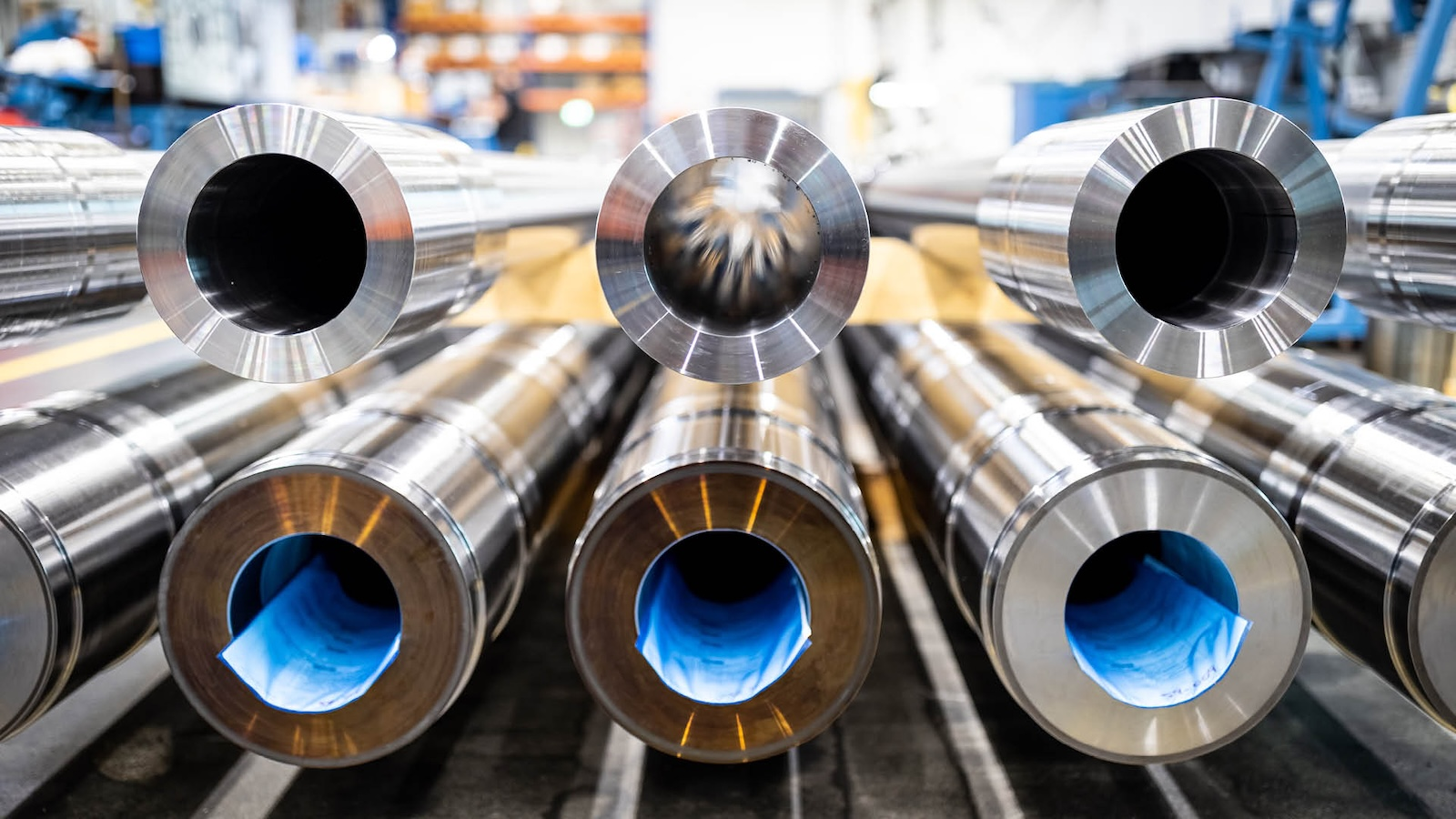
The licence connects with Britain’s renewed production of artillery-barrel forgings. BAE Systems has begun supplying British-made 105mm and 155mm forgings for Ukraine, restoring a capability that had been absent from the UK for almost two decades.
Initial forging takes place in South Yorkshire before components are finished and integrated through the wider programme. A new artillery development and production facility in Sheffield will add further capacity across machining, inspection, and gun-system work.
Dividing production between British upstream capability and Ukrainian finishing, assembly, proof, and sustainment can accelerate sovereign output. It also creates additional interfaces around transport, acceptance, documentation, dimensional standards, and responsibility for defects.
Across Europe, the broader land-systems production expansion is placing the same pressure on large-calibre metallurgy, machining, explosives, testing, electronics, and skilled labour. Order backlogs alone cannot produce guns more quickly when specialist processes remain constrained.
Ukraine has less tolerance for a gradual ramp-up than peacetime customers. Local manufacture can reduce dependence on complete imported systems and shorten repair routes, although the early stages consume scarce engineering time before stable production begins.
Proof capacity may become one of the limiting resources. Every completed weapon requires controlled testing, safe ranges, instrumentation, ammunition, trained staff, and documented acceptance, all of which must operate despite wartime disruption.
Spares production should develop alongside complete guns. Recoil components, seals, firing mechanisms, wheels, sights, and other high-use items will influence fleet availability more quickly than the number of newly assembled weapons alone.
The Light Gun retains value where mobility, air transportability, training, and rapid deployment outweigh the range and payload advantages of heavier artillery. It cannot substitute for every 155mm mission, but domestic manufacture would give Ukraine another artillery source that is less dependent on complete foreign deliveries.
Producing the first test gun will demonstrate that the documentation can be converted into metal. Sovereign capability will emerge only when Ukrainian plants can manufacture, inspect, repair, modify, and support the system repeatedly without exceptional intervention from the original design team.