IN Brief:
- Australian Army NASAMS has met all requirements for Final Operational Capability.
- The system combines networked short-range air defence with Australian-designed CEA radar technology.
- Domestic integration and sustainment will support the capability as it becomes part of Australia's wider integrated air and missile defence architecture.
Australia’s National Advanced Surface to Air Missile System has reached Final Operational Capability, confirming that the Army capability has met its requirements for operational service and is ready to support Australian Defence Force operations.
NASAMS was delivered through the Short Range Ground Based Air Defence project and forms the inner layer of Australia’s developing integrated air and missile defence architecture. The networked system is intended to detect, track, and defeat cruise missiles, aircraft, helicopters, and drones while operating alongside other sensors and weapon systems.
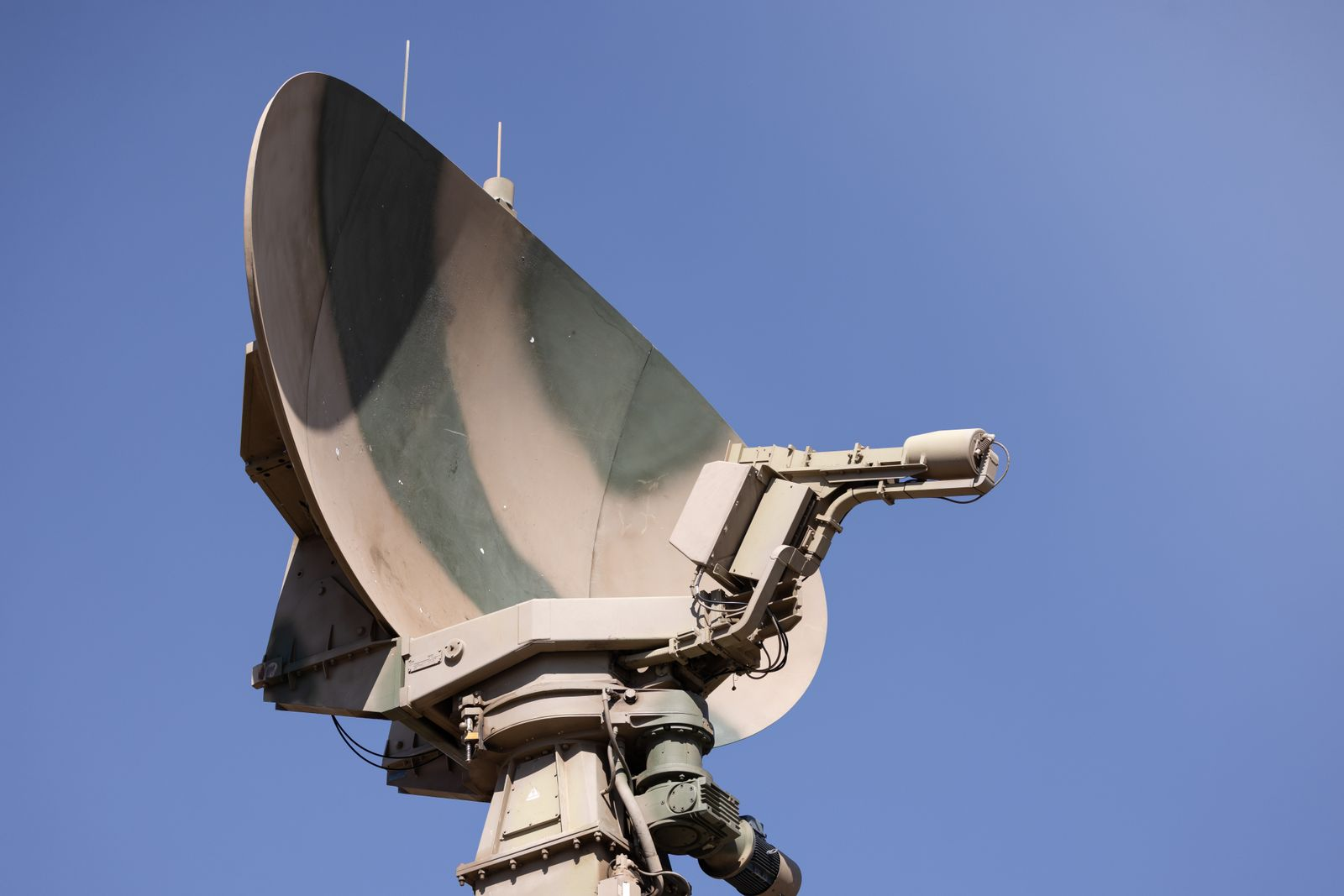
The Australian configuration incorporates radar technology developed by CEA Technologies, giving the programme a substantial sovereign sensor element alongside imported NASAMS equipment. Australian industry has also supported component integration, sustainment, and technical support, creating a domestic workload that continues beyond the original equipment-delivery phase.
Final Operational Capability follows a staged introduction that included live-fire activity and training by soldiers from 16 Regiment, Royal Australian Artillery. The milestone is broader than the arrival of sufficient launchers or missiles: Defence has confirmed that the complete capability has met the requirements set for operational employment.
NASAMS uses a distributed architecture in which sensors, command-and-control nodes, and launchers can operate from separate positions while remaining connected through the fire-control network. That distribution allows commanders to position radars and effectors according to terrain and the defended area rather than forcing them into one battery location, but it also places greater demands on communications, track consistency, and system timing.
The Australian radar contribution has to operate inside that architecture. CEA’s phased-array technology provides local sensing capability, while NASAMS must translate the resulting tracks into a form that can be shared, assessed, and used by the wider air-defence system. A radar detection alone is insufficient if the command network cannot maintain target identity and track quality through the engagement sequence.
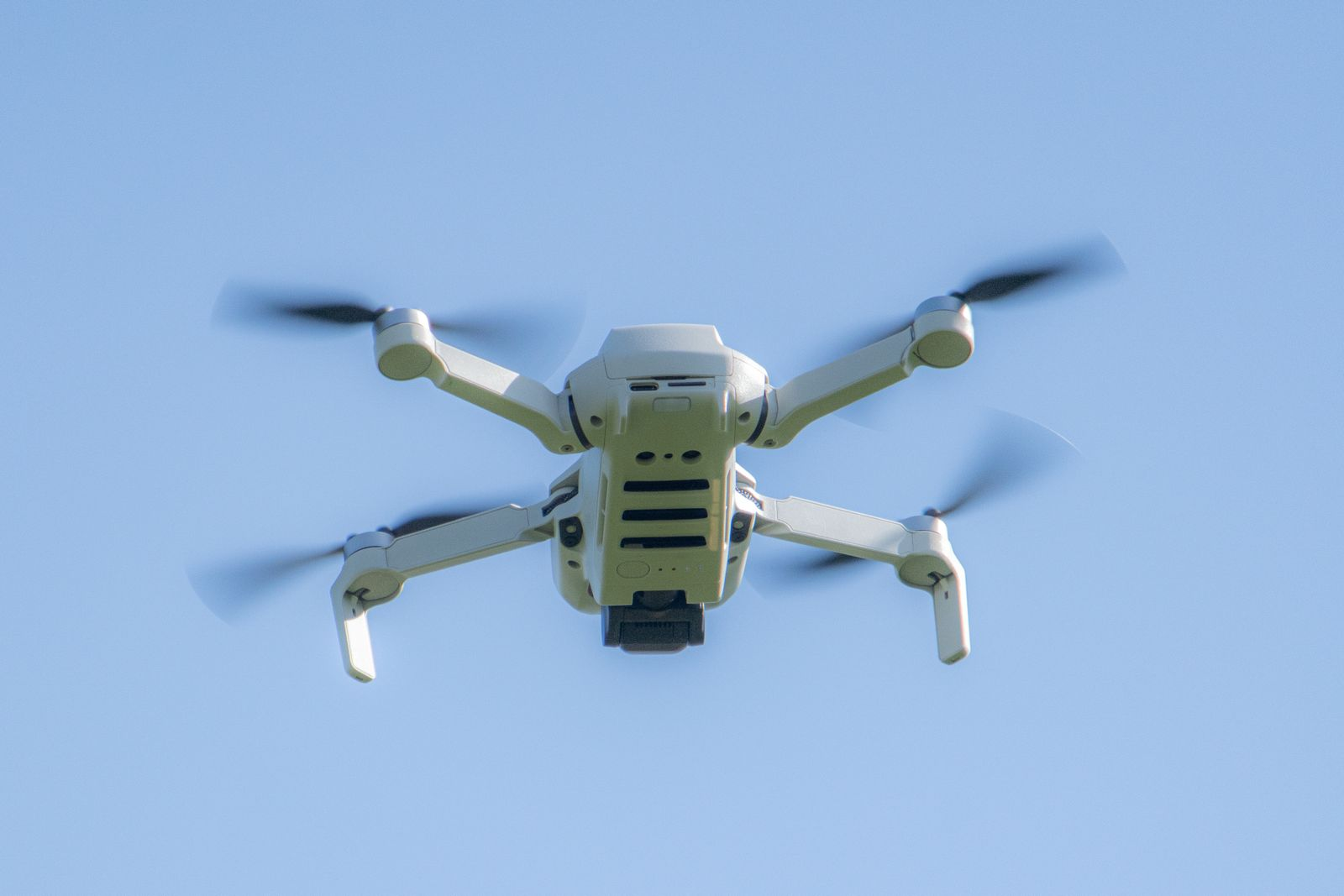
That becomes particularly relevant against small or manoeuvring threats. Cruise missiles and drones can impose short decision windows, and network delays or inconsistent tracks reduce the time available to classify the target and select an appropriate response. The purpose of a distributed system is to allow information from one part of the network to be used by another without requiring every launcher to carry its own complete surveillance suite.
Operational service also transfers more responsibility into configuration and sustainment. Radar software, missile interfaces, communications equipment, vehicles, and command systems will not remain fixed over the life of the capability. Each upgrade has to remain compatible with the approved Australian configuration, while defects and obsolescence have to be managed without fragmenting the fleet into incompatible technical baselines.
Domestic industry therefore has a continuing role. Australian integration and sustainment capacity gives Defence a local route for maintaining and modifying parts of the capability, while CEA’s involvement retains Australian engineering knowledge around one of its principal sensor technologies. That does not remove dependence on overseas NASAMS suppliers, but it gives the ADF greater control over the interfaces between nationally developed and imported equipment.
Operational readiness also depends on the support system around the launchers and radars. Spare parts, test equipment, software support, trained maintainers, ammunition handling, and vehicle availability all determine how many firing units can actually be fielded at short notice. Final Operational Capability therefore reflects a support and training structure as well as a collection of technically integrated components.
The Australian configuration will also need to be exercised against the wider network it is intended to join. As AIR 6500 matures, NASAMS crews and support teams will have to validate data exchange, command relationships, and engagement procedures with systems outside the Army battery itself. Those activities will expose integration issues that may not appear during isolated system testing and will shape subsequent software and training updates.
The operational milestone arrives as Australia commits further investment to AIR 6500 and medium-range ground-based air defence. Those programmes will add capabilities around the short-range NASAMS layer, increasing the requirement for information to move consistently between Army systems, aircraft, ships, and higher-level command networks.
Final Operational Capability therefore closes one phase of the Australian NASAMS programme without fixing the system in its present form. Its usefulness over the next decade will depend on how effectively the Army configuration can absorb radar, missile, software, and network changes while remaining connected to the broader integrated air and missile defence architecture being built around it.