IN Brief:
- FUSE combines aerial and ground autonomous systems around Elbit Systems' Dominion-X operating environment.
- Elbit says FUSE technologies have accumulated more than one million operational flight hours and 100,000 autonomous ground-operation hours.
- The One2Many architecture is intended to coordinate larger autonomous formations while integrating them with existing platforms and command structures.
Elbit Systems has launched FUSE, bringing a portfolio of aerial and ground autonomous systems under a common artificial-intelligence architecture intended to coordinate larger formations through a single operational environment.
The One2Many concept is powered by Dominion-X, which Elbit describes as a unified AI operating system for centrally coordinating distributed autonomous systems in real time. The architecture spans land and air platforms and is intended to support missions in which multiple vehicles share tasks, sensor information, and operational data rather than functioning as independent unmanned systems.
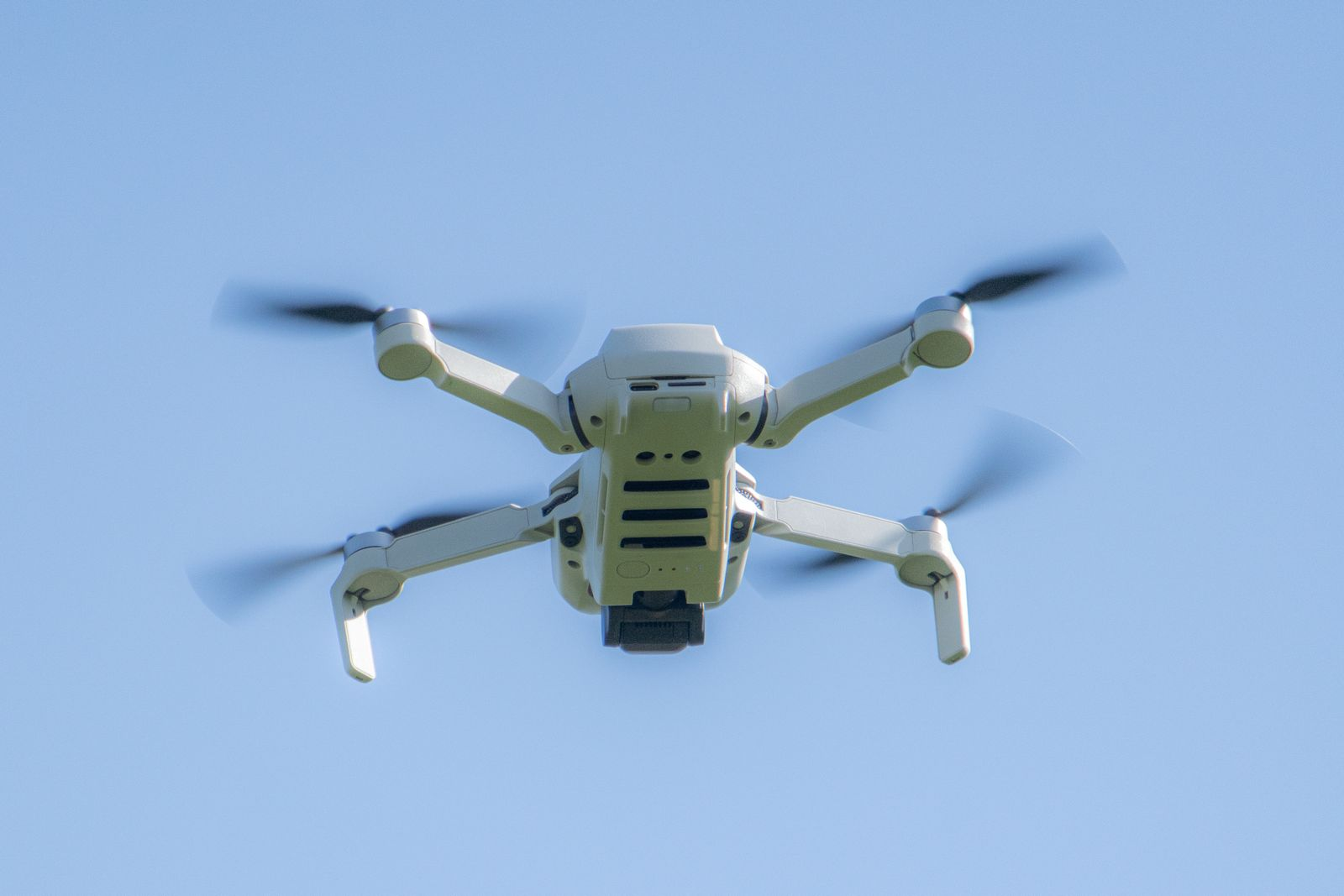
FUSE is not presented as one new drone or ground vehicle. It combines existing Elbit autonomous-system technologies, tactical UAVs, ground platforms, mission software, sensors, and communications around a shared control architecture. The engineering proposition is therefore based on coordination and scale rather than another isolated vehicle design.
Elbit says technologies within the FUSE portfolio have accumulated more than one million operational flight hours and more than 100,000 hours of autonomous ground operation, with thousands of platforms delivered worldwide. Those figures describe the wider technology base rather than hours flown by the newly branded One2Many architecture itself, but they give the company an established pool of deployed systems from which to develop larger autonomous formations.
Scaling from individual platforms to coordinated groups changes the technical problem. One operator controlling a single drone can manage a relatively simple command link and mission plan; a force containing dozens of aerial and ground systems has to allocate tasks, exchange sensor information, manage communications failures, and prevent individual platform problems from destabilising the rest of the formation.
Software therefore becomes the principal integration layer. Dominion-X has to maintain a common representation of the mission while individual vehicles continue to handle their own navigation, sensing, and low-level control. The architecture also has to decide which information needs to be shared across the formation and which can remain local, because transmitting every sensor stream continuously would place unnecessary pressure on tactical networks.
Contested communications make that separation more important. FUSE is intended for military environments in which satellite navigation or radio links may be degraded, forcing autonomous platforms to continue operating with incomplete external information. Systems need sufficient onboard autonomy to maintain safe and useful behaviour while reconnecting to the wider formation when communications become available again.
The approach also gives Elbit a route for adding autonomy to equipment already present within a customer’s force. Existing vehicles and unmanned systems can be integrated through the wider architecture rather than requiring every autonomous formation to be built from one newly designed family of platforms. That can reduce the amount of bespoke hardware required, although it transfers much of the engineering burden into interfaces, software assurance, and platform qualification.
Manufacturing scale sits alongside software scale. Elbit is positioning FUSE as a military system backed by established production infrastructure rather than an experimental autonomy demonstrator. Large autonomous formations only become practical if airframes, ground vehicles, sensors, communications equipment, and replacement components can be supplied in quantities consistent with the operational concept.
That requirement is particularly acute for systems expected to operate in high-risk roles. An autonomous architecture may allow comparatively low-cost vehicles to be placed closer to threats, but fleet economics deteriorate quickly if the supporting sensors, software, or communications packages remain expensive and difficult to produce. Repeatable integration matters as much as individual platform performance.
Qualification presents another constraint. A common operating environment has to work across different vehicles without allowing software changes on one platform to produce unexpected behaviour elsewhere. Customers will need controlled software baselines, defined interfaces, cybersecurity assurance, and clear rules governing how autonomous functions are authorised and supervised.
The same architecture must accommodate gradual expansion. A customer may begin with a small combination of UAVs and ground vehicles, then add sensors, effectors, or new platform types later. If each addition requires the core autonomy software to be rewritten, the claimed scalability quickly disappears; the architecture has to preserve common functions while allowing individual systems to retain mission-specific capabilities.
FUSE consequently puts Elbit’s autonomy proposition at system level. The company’s existing drones and ground platforms remain the physical elements, but the commercial and operational argument now centres on whether those assets can be coordinated in larger numbers without multiplying the operator workload and integration effort at the same rate.
The next measure will be how the architecture performs across different customer configurations rather than within one controlled demonstration. Large autonomous formations have to survive communications loss, software variation, changing mission priorities, and mixed platform performance. Elbit has established the operating-hours and production base behind FUSE; One2Many now has to show that those individual systems can retain that maturity when they are coordinated at scale.