IN Brief:
- HII is one of three suppliers each selected to build ten Medium Unmanned Surface Vessels.
- The Navy puts average procurement cost at $40 million per vessel, with initial deliveries due before fiscal 2027 ends.
- HII is combining Odyssey autonomy with a distributed production network and expanded unmanned systems facilities.
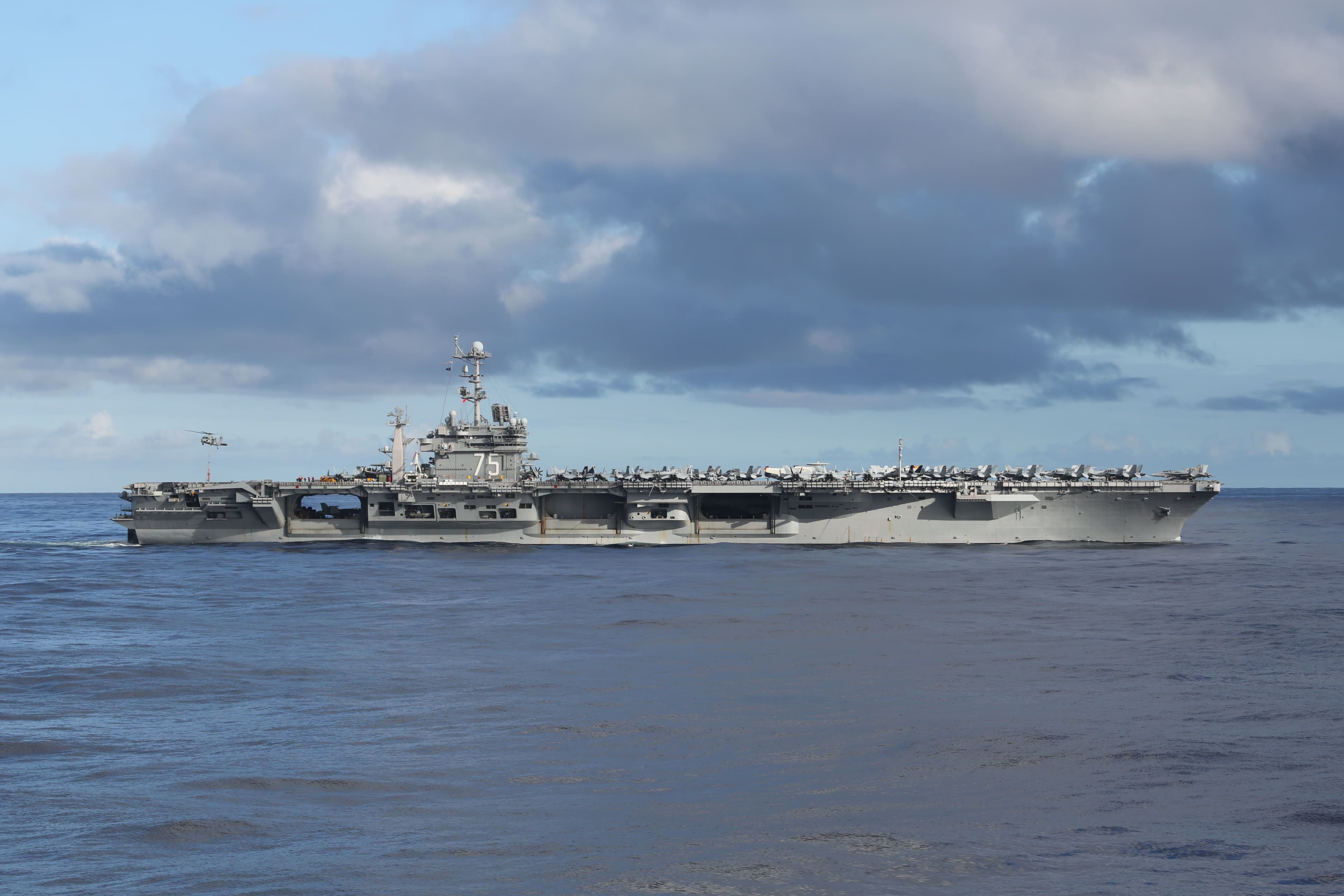
HII has won a US Navy contract to build ten ROMULUS unmanned surface vessels for the Medium Unmanned Surface Vessel programme, moving the company’s autonomous surface vessel work from demonstration into a defined production order.
HII is one of three companies selected for production after Phase I at sea testing, alongside Galliano Marine Services and Saronic Technologies. The Navy plans to procure 30 MUSVs across the three awards, with ten vessels from each supplier at an average procurement cost of $40 million per vessel. Initial deliveries are scheduled before the end of fiscal 2027.
The award follows a broader MUSV marketplace process that began with seven companies entering at sea demonstrations earlier in 2026. The Navy used those trials to examine autonomous navigation, maritime awareness, long duration operation, and compliance with collision avoidance rules before placing follow on production agreements with the three selected suppliers.
For HII, the decision converts work already under way around the ROMULUS family into a customer backed production programme. The company began investing in production partners, supplier capacity, and infrastructure in 2025, before the Navy had selected the final production group. That early commitment was intended to reduce the gap between successful testing and the start of repeat vessel manufacture.
The ROMULUS design is built around HII’s Odyssey Autonomous Control Solutions suite. Odyssey provides the decision making architecture used to perceive the vessel’s surroundings, navigate, manage onboard systems and payloads, coordinate with other crewed and uncrewed platforms, and execute missions with limited human intervention. HII describes the software as modular and open architecture so that new sensors, command systems, payloads, and algorithms can be introduced without replacing the whole autonomy stack.
That architecture was tested during the Navy evaluation phase. HII says its Odyssey equipped vessel completed a 420 nautical mile mission over 28 hours during a 13 day Navy monitored trial in the Gulf of America. The event was designed to demonstrate endurance and autonomous performance under operating conditions closer to fleet use than a short technology demonstration.
The production problem is now different. A vessel that performs successfully during a monitored trial can be supported by specialist engineers and programme staff, but a group of ten vessels has to be built to controlled configurations, accepted against common standards, sustained with repeatable maintenance procedures, and kept aligned as software and payloads change. Configuration management, spares, technical data, training, and production quality therefore become as important as autonomous navigation performance.
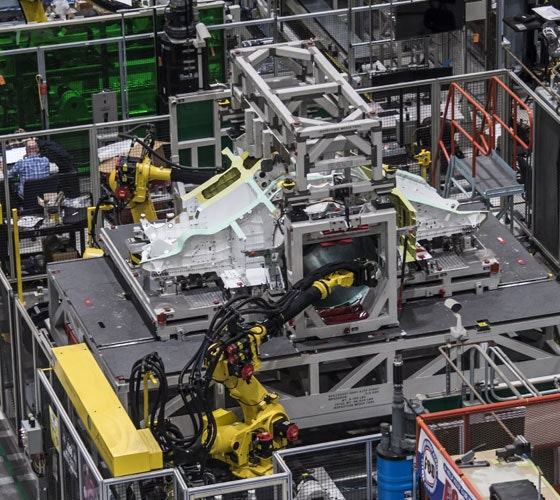
HII is approaching that task through a distributed Gulf Coast production model. Breaux Brothers Enterprises, Halimar Shipyard, and Bayou Metal Supply & Manufacturing in Louisiana are supporting ROMULUS production, while Beier Integrated Systems and Incat Crowther have also contributed to the vessel programme. Major components and assemblies can be produced through partner facilities before final integration, expanding capacity without concentrating every fabrication task at one site.
The company has also expanded its unmanned systems production campus in Pocasset, Massachusetts, by 10,000 square feet, increasing an existing 40,000 square foot facility by 25%. The site supports development, manufacture, and integration across both ROMULUS surface vessels and the REMUS family of underwater vehicles, giving HII a dedicated technology base alongside its shipbuilding partners.
That combination reflects the industrial character of modern autonomous vessels. The hull, propulsion, power, communications, and marine systems still have to be built and tested to shipbuilding standards, while autonomy software, sensors, payload interfaces, and command links have to remain upgradeable through the vessel’s service life. The two disciplines are related, but neither substitutes for the other.
The Navy’s decision to buy 30 vessels from three suppliers also retains competition inside the production phase. Each company now has to demonstrate that its design can move beyond a successful test article into repeatable delivery, while the Navy gains a broader industrial base and more than one technical route for future mission packages. That structure may prove useful as the service refines how MUSVs are equipped and employed.
HII enters the next phase with an existing record in unmanned maritime systems, including more than 750 REMUS underwater vehicles delivered to customers in more than 30 countries. ROMULUS extends that experience into a larger surface vessel where conventional shipbuilding disciplines, autonomous control, and fleet sustainment have to work together.
The ten vessel order therefore marks a change in scale rather than a change in direction. HII had already committed facilities, suppliers, and production partners before the Navy completed its selection. The programme will now show whether that early industrial investment can deliver ten consistent vessels on the required schedule while keeping Odyssey and the payload architecture flexible enough for the Navy to change what those vessels carry and how they operate.