IN Brief:
- American Rheinmetall will manufacture 3,104 new MK93 enhanced softmounts and upgrade 245 existing systems.
- Deliveries from the Biddeford, Maine, facility begin in 2026 and continue through October 2027.
- The enhanced mount supports M2A1 and Mk 19 weapons using Rheinmetall's recoil dampening system.
American Rheinmetall has received a $20.7 million order to manufacture 3,104 new MK93 enhanced softmount systems and upgrade 245 previously delivered mounts for US Army requirements, with deliveries running through October 2027.
American Rheinmetall will carry out the work at its Biddeford, Maine, facility through defence contractor ADS and the Defense Logistics Agency. Deliveries are scheduled to begin in 2026, and the upgrade element will bring the older mounts to the same current configuration as the newly manufactured systems.
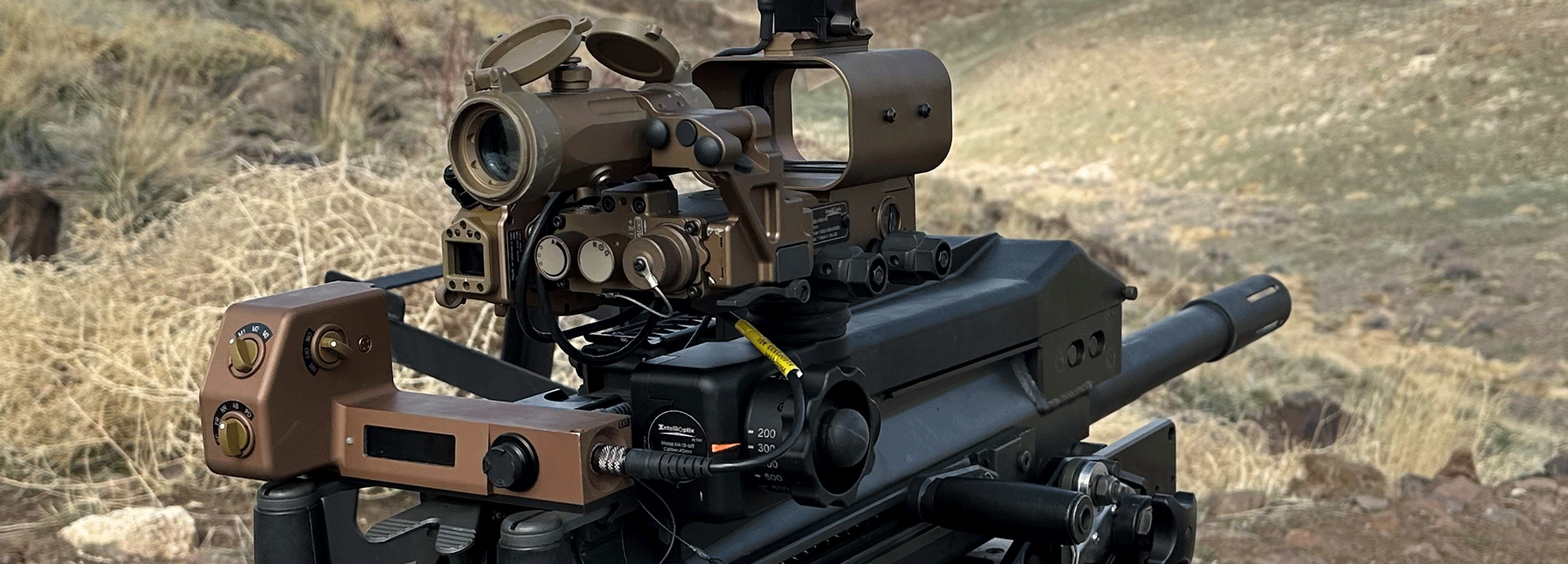
The MK93 is a crew served weapon mount used with the M2A1 .50 calibre machine gun and Mk 19 automatic grenade launcher. Rheinmetall’s enhanced version soft mounts both weapons through a patented recoil dampening mechanism, reducing the forces transmitted into the supporting structure while improving stability and weapon handling.
American Rheinmetall says the upgraded design can improve overall accuracy by up to 20% compared with existing rigid mounts. It also reduces system weight and is designed so that existing MK93 components can be used during field upgrades, allowing previously delivered equipment to be modernised without replacing every part of the mount.
That common configuration is central to the new order. The 245 upgrades are intended to bring earlier systems into line with the specification being manufactured for the 3,104 new mounts. Standardising the installed base can reduce the number of configurations that have to be supported with spares, technical instructions, training, inspection procedures, and maintenance.
Weapon mounts are mechanically simpler than the vehicles, sensors, and fire control systems that often dominate land procurement, but they sit directly between the weapon and its supporting platform. Recoil loads, fastening, traverse, elevation, ammunition handling, crew access, and structural stiffness all affect whether a weapon can be operated safely and accurately from a vehicle or fixed position.
Soft mounting changes that interface without requiring the weapon itself to be redesigned. Instead of transferring the full recoil impulse directly into the supporting structure, the mount absorbs and manages part of the force through its damping mechanism. Rheinmetall says that reduces the load on the platform and improves weapon stability during firing, contributing to better first round hit probability.
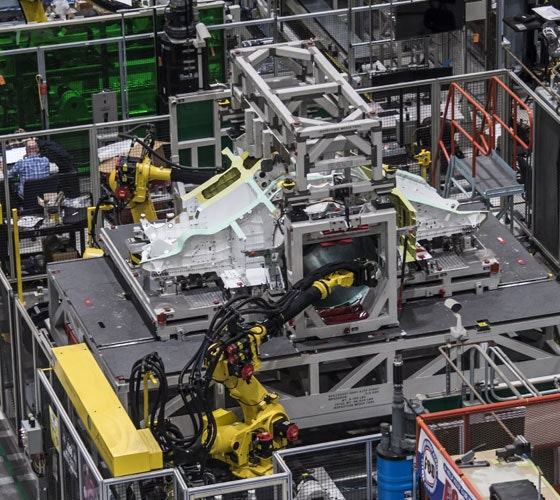
The order gives the Biddeford operation a substantial production run. More than 3,000 new systems plus 245 upgrades create repeat demand for machining, fabrication, assembly, coating, inspection, and final acceptance. Because deliveries extend through October 2027, the plant has a defined schedule against which labour, material, and supplier capacity can be planned.
The procurement route also reflects the sustainment character of the requirement. The order supports US Army needs through ADS and the Defense Logistics Agency rather than being tied to the launch of a new combat vehicle programme. The hardware therefore has to remain compatible with a broad installed base and with the logistics arrangements already used for crew served weapons.
That makes field upgradeability more useful than it would be in a clean sheet platform programme. Existing mounts can be brought to the current configuration using retained components, reducing the amount of serviceable hardware that has to be discarded and limiting the number of distinct variants in circulation. The same approach can also simplify technical training because maintainers encounter a more consistent end state.
Domestic production is another part of the order. American Rheinmetall operates the Biddeford site as part of a wider US manufacturing footprint covering vehicle, weapon, and munitions activity. Producing and upgrading the MK93 in Maine keeps the manufacturing work close to the customer while drawing on a design and recoil management approach developed within the wider Rheinmetall organisation.
The company expects additional follow on orders, although no quantities or values have been confirmed beyond the current action. The present contract already establishes a significant baseline, with 3,349 systems either manufactured or brought to the current configuration if all planned new build and upgrade work is completed.
For the Army, the practical effect is standardisation rather than a new category of weapon. The M2A1 and Mk 19 remain familiar systems, but the mechanical interface beneath them is being produced in much larger numbers and older examples are being brought to the same specification. That can improve supportability while reducing recoil loads and maintaining a common mounting solution across users.
Deliveries through October 2027 will show whether that production and upgrade sequence can be sustained at volume. The contract is modest beside a vehicle or missile programme, but its industrial logic is direct: manufacture thousands of common mounts, update older units to match them, and reduce the configuration burden around equipment that has to remain serviceable across a wide range of Army applications.